Pack for the programme you have booked: comfortable valley sightseeing, an walking route or a higher-country overnight. Layers, practical shoes, weather protection and essential documents are useful across the north. Camping and trekking equipment need a separate check with the provider rather than one universal list.
Start with three situations, not one oversized bag
A town-and-valley trip uses a different kit from a lodge stay reached on foot. A day on Deosai exposes visitors to highland wind and weather even when the approach is by vehicle. A supported trek may involve specific equipment that a sightseeing list cannot cover.
Check each overnight and activity in the final programme. Keep the clothes needed for cooler evenings and the footwear needed for paths. Leave technical equipment to the route-specific discussion when it is required. The purpose is to be comfortable and prepared, not to carry every possible mountain item.
Clothing for valley sightseeing and heritage visits
Choose comfortable layers that can adapt between a warmer daytime valley and a cooler evening. A warm outer layer is useful in shoulder seasons and for higher viewpoints. Weatherproof protection is sensible where the forecast or route requires it.
Use practical footwear for uneven village paths, fort steps and lake approaches. A hotel-based holiday can still include an uphill heritage visit. Footwear should fit before the trip rather than be tested for the first time on the approach to a fort.
Dress respectfully for public and religious spaces. A scarf or other appropriate covering may be useful for visits where requested. The site’s guidance should control entry. Clothing for a scenic boat or village day is not automatically suitable for every religious setting.
A separate day bag for walks and long excursions
A small day bag can carry a warm layer, weather protection, drinking water, snacks and personal essentials. Sun protection matters during exposed visits. The guide and provider should explain what food and water are supplied so you know what remains your responsibility.
For a walk, use the agreed route and conditions to decide what else is needed. A village stroll, Beyal outing and base-camp trek have different demands. Do not assume the guide supplies personal clothing, boots or every piece of equipment.
A higher-country day also needs flexibility. Keep the items you may need during a changed route with you, rather than inaccessible in a bag left at another hotel. A comfortable day bag makes stops easier without requiring the full luggage at every attraction.
Fairy Meadows and other overnight approaches
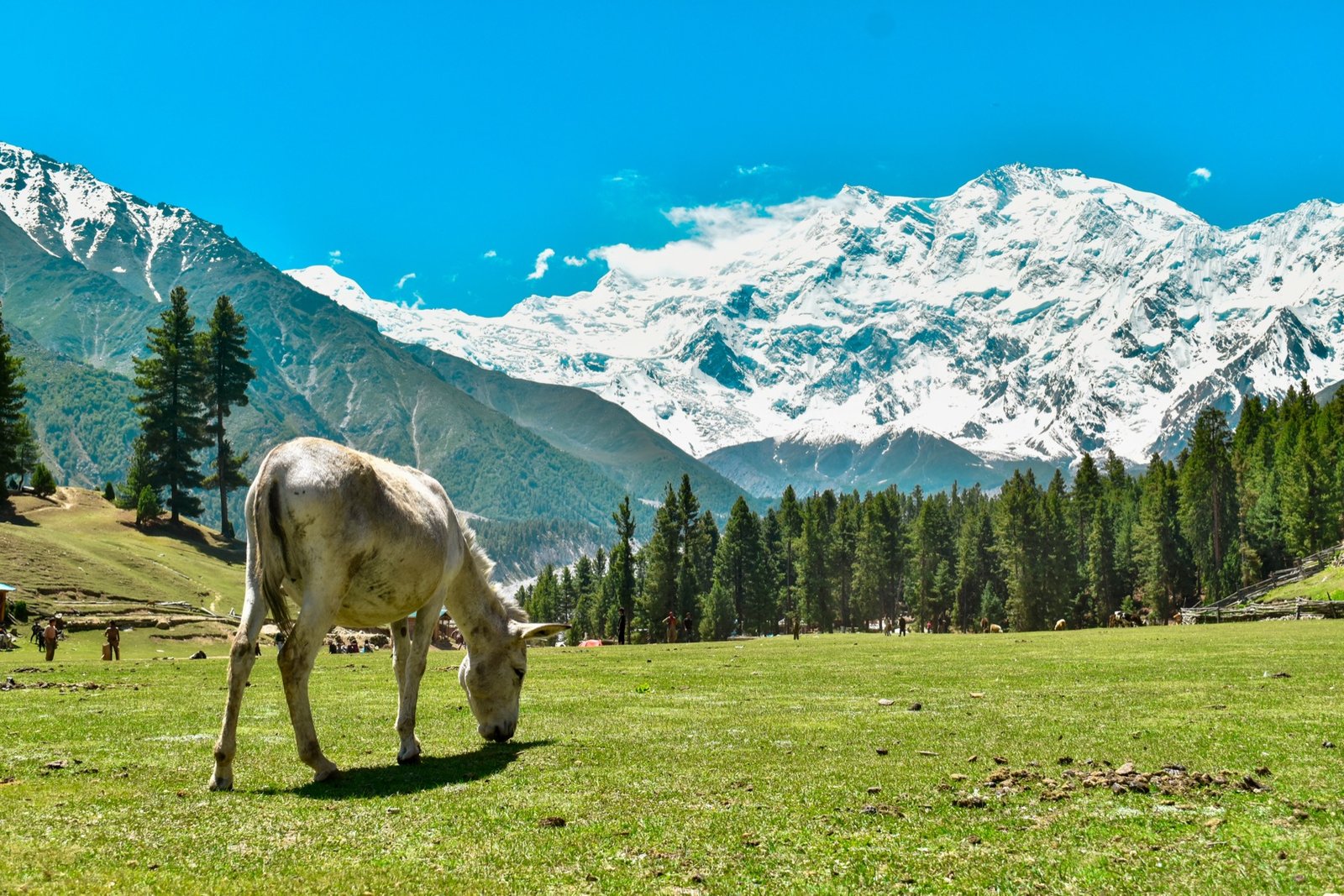
For a Fairy Meadows stay, separate the overnight items from luggage that remains off the trail. The local transfer, walking section and luggage-handling arrangement should be understood before deciding how much to take.
Confirm bedding, sleeping equipment, bathroom facilities and meals with the lodge or camp. A cabin and a supported tent stay have different requirements. An image of a bed does not establish the bedding, heating or power available during the chosen dates.
For a trek or camp, follow the provider’s specific list for the route and season. Discuss any personal sleeping equipment, carrying arrangement and technical items. The general website packing article is a starting point, not a substitute for the expedition briefing.
Documents, cash and essential information
Keep passport, entry permission and booking information available in secure digital and physical copies. Follow official guidance for the documents used by each traveller. Download important route, accommodation and contact details before moving into areas with limited connectivity.
A separate payment plan is useful where card acceptance or ATMs are limited. Budget for the personal spending and services not included. Do not assume every small provider accepts the same payment method as a city hotel.
Store the local contact and your accommodation details in a form you can use offline. A phone with no signal should not be the only place where the programme can be accessed. Coordinate a practical communication plan with the people travelling and those at home.
Medicines, altitude questions and personal requirements
Carry personal medicines according to current official rules and seek appropriate professional advice for health or altitude concerns. Keep prescription details where required. A generic packing list should not recommend treatment or decide an individual’s suitability for high-country travel.
Tell the organiser about essential personal requirements that affect room, meals or the activity. Allergy information should reach the provider, not remain only in an email about the itinerary. Mobility needs should be assessed against the real trail or building access.
The final programme should allow an appropriate response if conditions or personal comfort change. Packing supports the trip, but equipment alone does not make every road, trail or altitude suitable for every traveller.
Photography and electronics without overpacking
Bring the camera equipment you will realistically use. An extra lens adds weight on a walking approach, while a simple camera may be sufficient for a road-and-village holiday. Protect equipment from rain and wind-blown sand at places such as Sarfaranga.
Check the power arrangement for a meadow lodge or camp before relying on nightly charging. Carry suitable charging items and follow airline rules for batteries. A phone remains useful for offline documents even where mobile service is limited.
Drone use requires current local and aviation checks. Owning a drone does not establish permission to fly at a heritage site, protected area or border-related route. Keep it out of the assumed activity list until the requirements are confirmed.
Build the bag around a typical sightseeing day
Imagine leaving a valley hotel for a fort visit, a meal and a suitable village or lake walk. Keep the items needed during that day in a small accessible bag: the clothing layer appropriate to the forecast, drinking water, personal essentials and the camera or phone you will use. The rest can remain in the main luggage when the hotel and transport arrangement allows.
Footwear should suit the surfaces selected. A restored building can involve stairs and changes of level, while a village path or lake approach can have uneven ground. Choose shoes you have already worn comfortably rather than make the trip their first test. A more demanding trail needs a different footwear decision.
Pack modest, practical clothing for town and heritage visits, with the specific requirements of religious sites explained by the guide. Weather protection and sun protection serve different purposes and can both be relevant in an exposed mountain setting. The daily bag should make changing between the hotel, vehicle and visits straightforward.
Repack for an overnight away from the main hotel
A meadow stay changes the luggage question. If the approach includes walking, clarify what you carry personally and whether any other luggage service is arranged. A compact overnight bag and the main touring luggage should have a defined plan. Do not assume a provider or vehicle will move everything merely because the itinerary names the meadow.
Sleeping support should also be specific. A lodge supplies a different arrangement from a tent camp, and a supported walking camp has another equipment basis. Ask which bedding or sleeping equipment is provided, what you must bring and how weather protection is managed. Pack according to that answer.
Toiletries and personal essentials should be appropriate to the facilities at the overnight. Keep medicines and important documents with you rather than in luggage you will not access. Obtain personal medical advice where needed, and keep the packaging or supporting information required for your own medication and travel circumstances.
Use three checks before closing the suitcase
First, review the daily activities. A base-camp walk, village sightseeing and a vehicle-based plateau day require different items. Second, review the overnights. The room, heating, camp or lodge arrangement tells you more than a destination label. Third, review the travel stages: airline baggage rules and walking-luggage arrangements can be different.
Remove equipment for activities that are not in the agreed programme, then check that the essentials for those included are covered. A lighter, purposeful bag is easier to use than one packed for every possible northern activity.
When uncertain, send the itinerary question to the local team: which day or overnight needs the item, and what is already supplied? That gives you a practical packing answer tied to the route. Keep a small space for permitted local purchases rather than arrive with every compartment full.
Useful questions, answered
Do I need trekking equipment for a sightseeing trip?
Only for activities that actually require it. Match the list to the booked programme and the provider’s briefing.
Should I take all luggage to Fairy Meadows?
Discuss a compact overnight bag and the separate luggage arrangement for the approach.
Can I rely on charging and mobile signal everywhere?
No. Confirm facilities with the stay and keep essential information available offline.
Turn the places you like into your own route
Send us your travel month, days in Pakistan and the places that caught your interest. Our local team can discuss the guides, transport, stays and activities for your party.
Sources and latest checks
Destination facts were checked against the sources below on 13 October 2026. Suggested routes are editorial examples. Opening arrangements, seasonal access, travel advice and hotel services can change.
FROM READING TO THE ROAD
Make it your journey.
Share your dates, the places you like and how you want to travel. Our local team will help shape the route.
Plan a private journey