Hindu Kush culture followed by Hunza scenery
This 15-day outline begins with the Swat and Chitral direction before continuing through northern valleys towards Hunza. It is a journey between regional settings, with town heritage, Kalash cultural interpretation and the changing mountain landscape forming the main interests.
The Kalash visit can focus on architecture, community context and appropriate public areas rather than depend on a festival. The Hunza part then shifts towards central forts and the lake-and-village sequence of Upper Hunza. These experiences deserve separate time instead of being treated as one uniform northern culture.
Experiences along the proposed route
Town life and Hindu Kush history
Chitral town
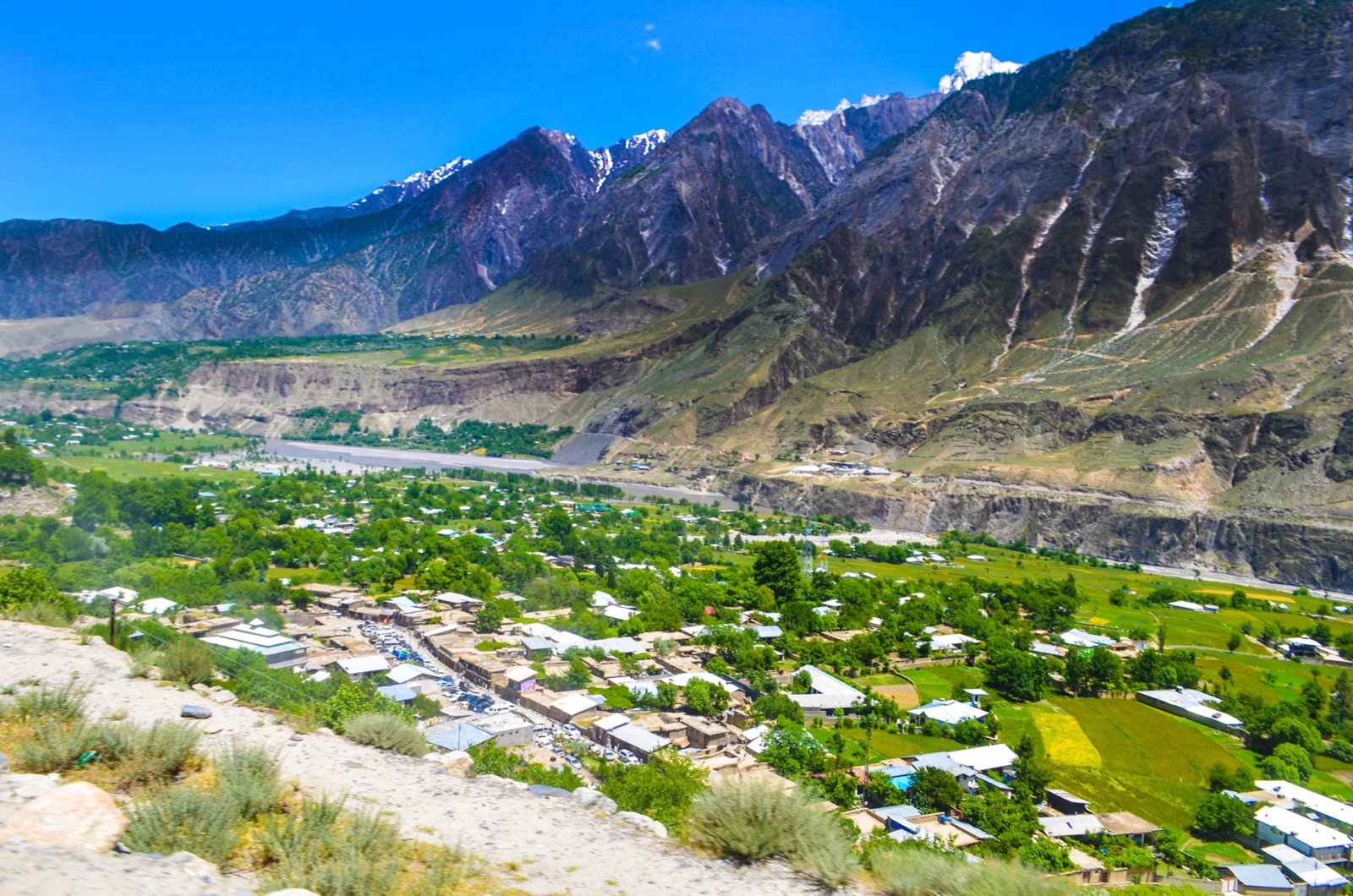
Chitral is a town and regional centre in the Hindu Kush of Khyber Pakhtunkhwa. The river setting, bazaar, fort area and Shahi Mosque give a cultural visit its town context. Local guiding is useful for access to historical buildings and explaining the region’s distinct traditions. Chitral is a base for the Kalash valleys rather than another name for them. It also lies far from Hunza and Skardu; a journey connecting these regions needs significant dedicated travel time.
Visit style: Town walking; site access varies.
Living culture and village architecture
Bumburet, Rumbur and Birir
Bumburet, Rumbur and Birir are the three Kalash valleys south of Chitral. They are home to living communities with distinctive language, religious traditions and settlement architecture. A visit can involve village paths and interpretation with a local guide; it does not create unrestricted entry to homes, shrines or ceremonies. Bumburet’s Kalash Culture Centre provides an introduction to community history. Festivals follow local religious and agricultural calendars, so dates and appropriate visitor participation require current local confirmation.
Visit style: Valley roads and guided village walks.
Heritage and architecture
Baltit Fort
Baltit Fort sits above Karimabad, with timber balconies and a commanding view across the Hunza valley. The building makes the relationship between rulers, villages and mountain routes easier to understand than a landscape photograph alone. Its hillside position is part of the experience: the approach climbs through Karimabad, and the visit involves steps and changes of level. A guided interior visit adds context to the rooms, construction and restoration. Afterwards, explore the streets below rather than immediately returning to the vehicle.
Visit style: An uphill approach and steps.
Lake scenery and optional boating
Attabad Lake
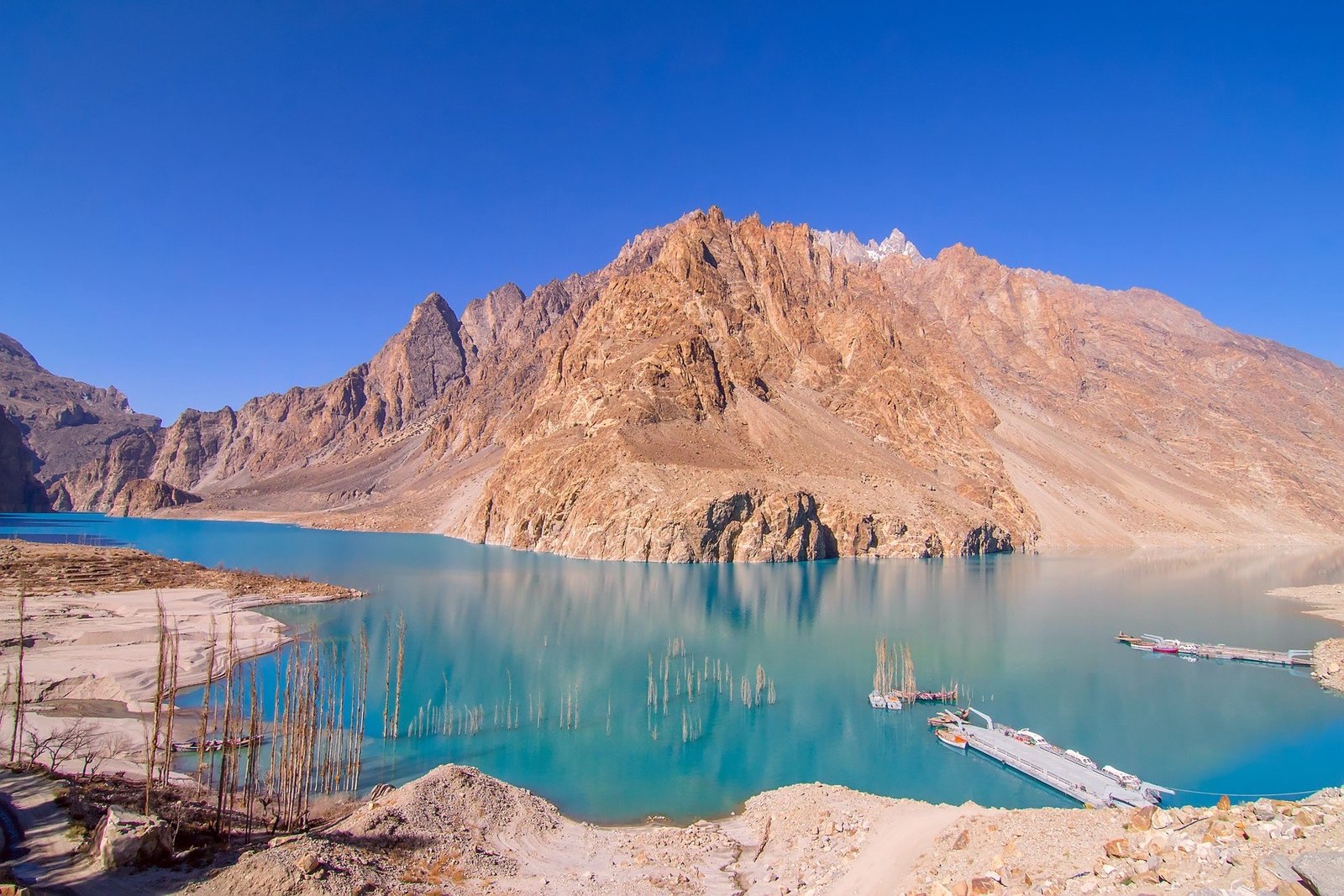
Attabad Lake is the turquoise lake beside the Karakoram Highway in Hunza, formed after the 2010 landslide blocked the Hunza River. It is both a striking attraction and a landscape with a recent human history of displacement and rebuilding. Roadside viewpoints show the lake’s shape; an optional boat excursion changes the perspective to water level. The route continues towards Gulmit and Passu, so a visit fits naturally into an Upper Hunza journey. A lakeside stay offers a different setting from a room in Karimabad.
Visit style: Road access; boat boarding varies.
Mountain photography
Passu Cones
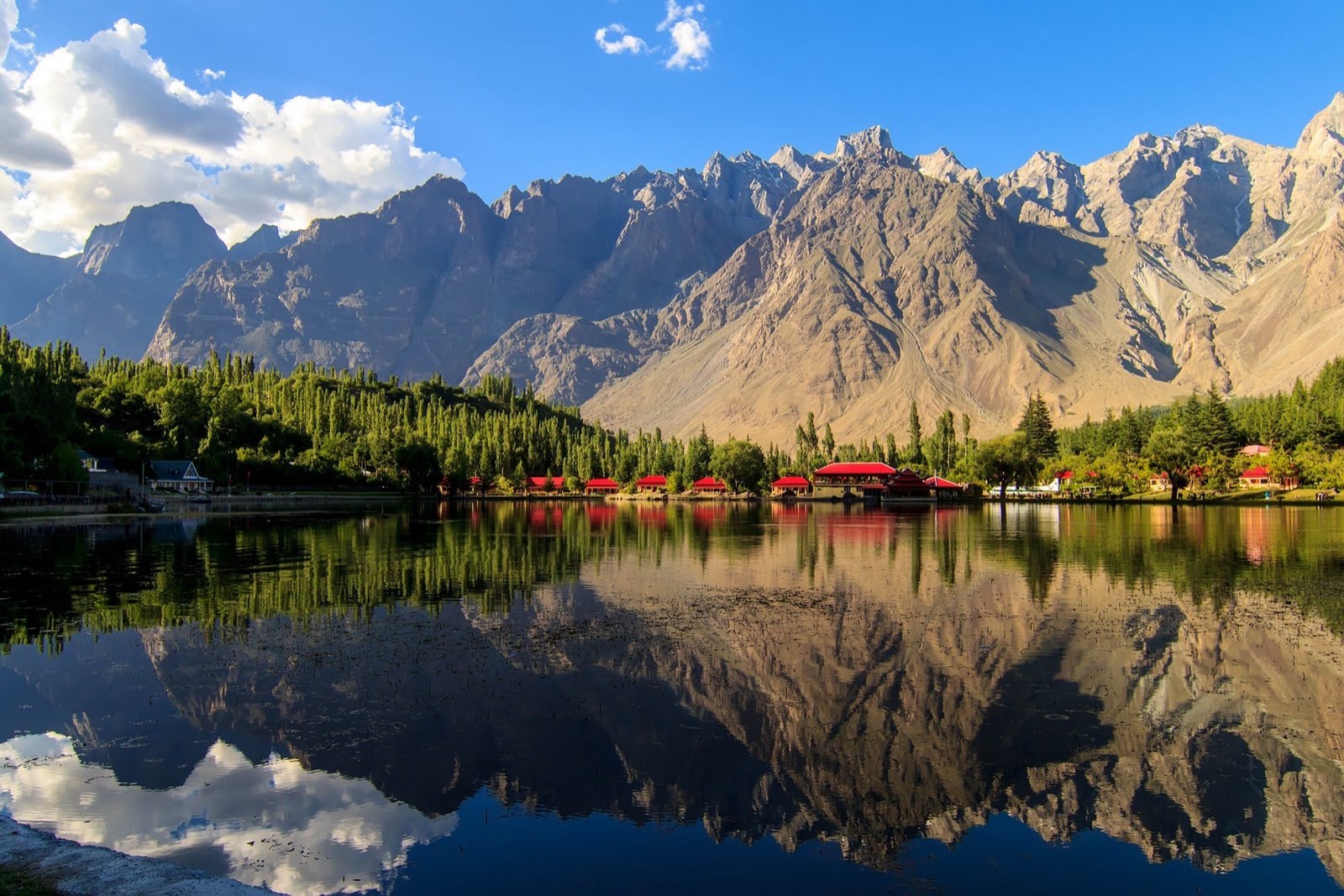
The Passu Cones are the sharp, serrated peaks above Passu in Upper Hunza, also known as Cathedral Ridge. Their recognisable outline can be seen from the Karakoram Highway; a long trek is not needed for the classic view. The composition changes with the foreground: river stones, farmland and village paths give quite different photographs. An overnight stop allows another chance at clear light the next morning. The village around the landmark is a Wakhi community with homes and agricultural land, not an open photography set.
Visit style: Roadside views and optional short walks.
Who this route may suit
Choose this route for the Hindu Kush interest as well as Hunza, after reviewing current regional advice. For US travellers, the State Department advice checked on 13 October 2026 lists Khyber Pakhtunkhwa under Do Not Travel. The available outline does not override it.
Seasonal crossings and road stages need their own assessment. A focused Hunza alternative can be discussed where the western part does not fit the traveller, dates or official guidance.
Accommodation and the local services
We can discuss transport, guiding, accommodation and any camping support needed for this route. The specific property and room category should support the daily programme. A heritage building, lake hotel and meadow lodge provide different overnight experiences.
The final proposal identifies the main vehicle, any separate local vehicle, guide responsibilities, room basis, meals and activities included. Named attractions above explain the route’s interests; inclusion in the booking is defined by the confirmed programme.
The programme, price and departure
The day-by-day outline below is for route discussion. Current access, travel advice and supplier availability govern the final version. A private proposal is designed for your dates and party. A group-style outline requires a confirmed departure and group arrangement.
A bookable price is shown only when the offer has been approved for publication. Otherwise request the quote with its currency, occupancy basis, inclusions, exclusions and conditions. International flights and every optional activity should not be assumed included.
Regional advice for the Hindu Kush stages
The proposed route includes Khyber Pakhtunkhwa. Official advice may advise against travel to the province or specific areas. The US State Department page checked on 13 October 2026 lists it under Do Not Travel. Review the current advice for your nationality and insurer before considering the route. A published outline does not override it.
Sources and latest checks
Destination facts were checked against the sources below on 13 October 2026. Suggested routes are editorial examples. Opening arrangements, seasonal access, travel advice and hotel services can change.