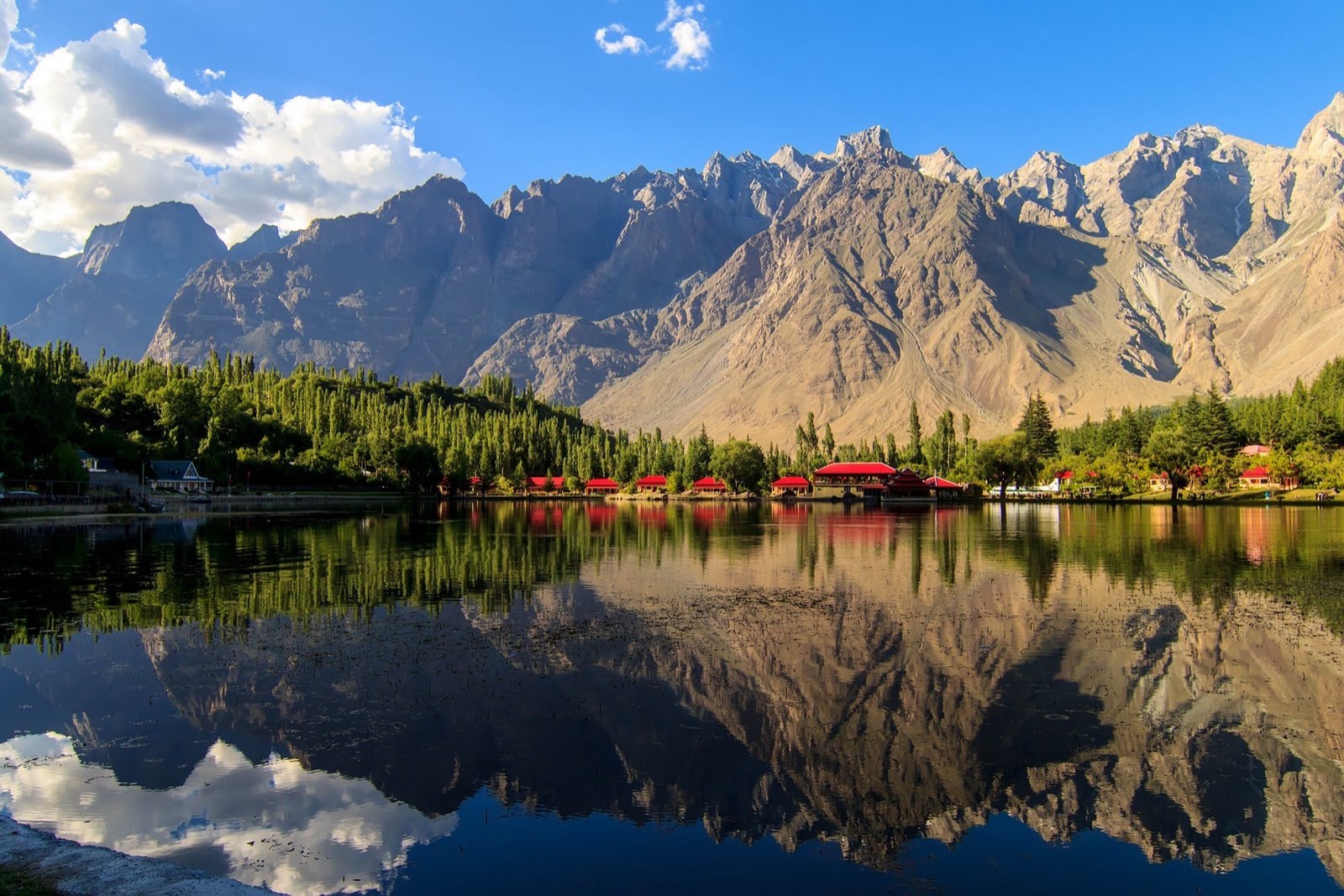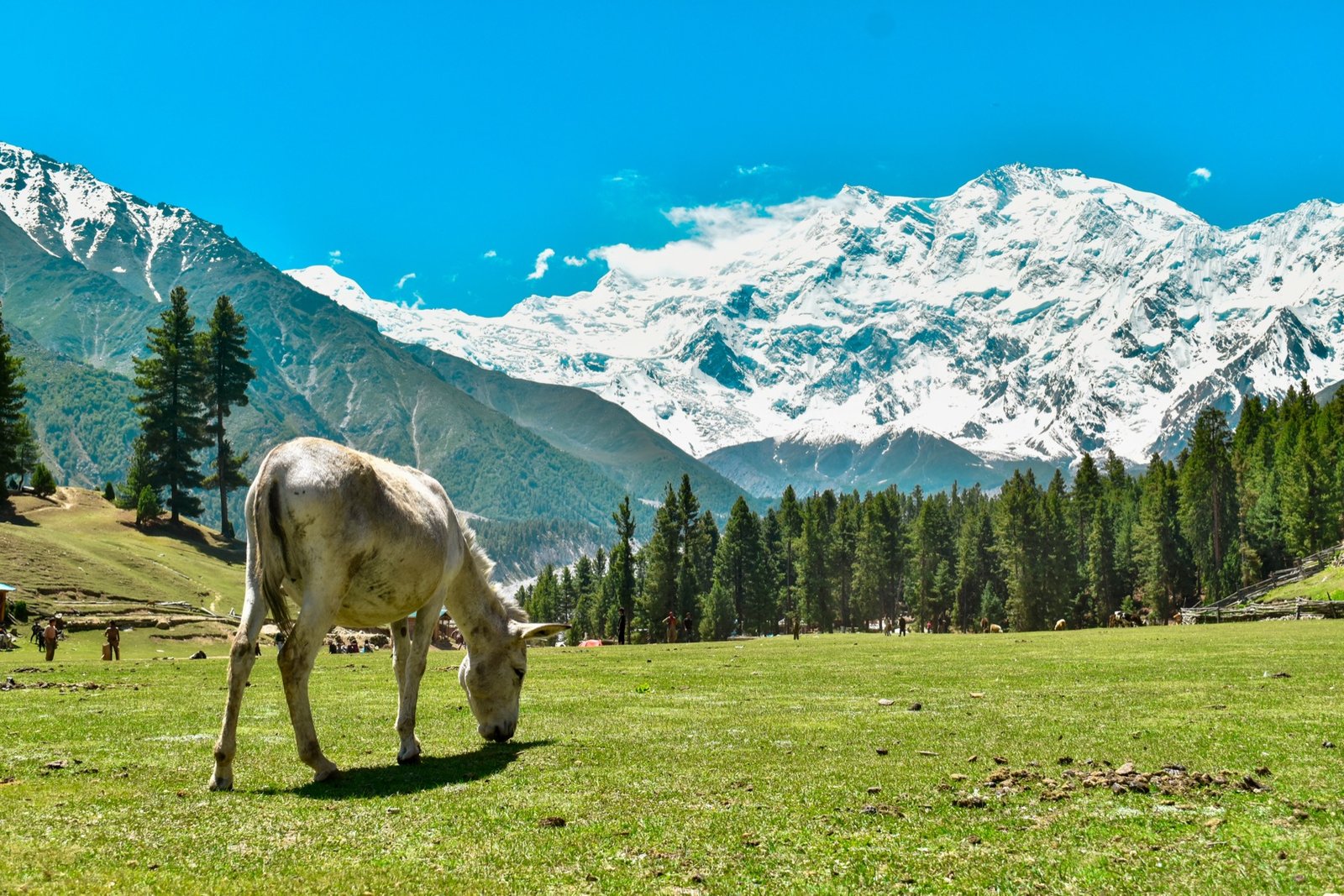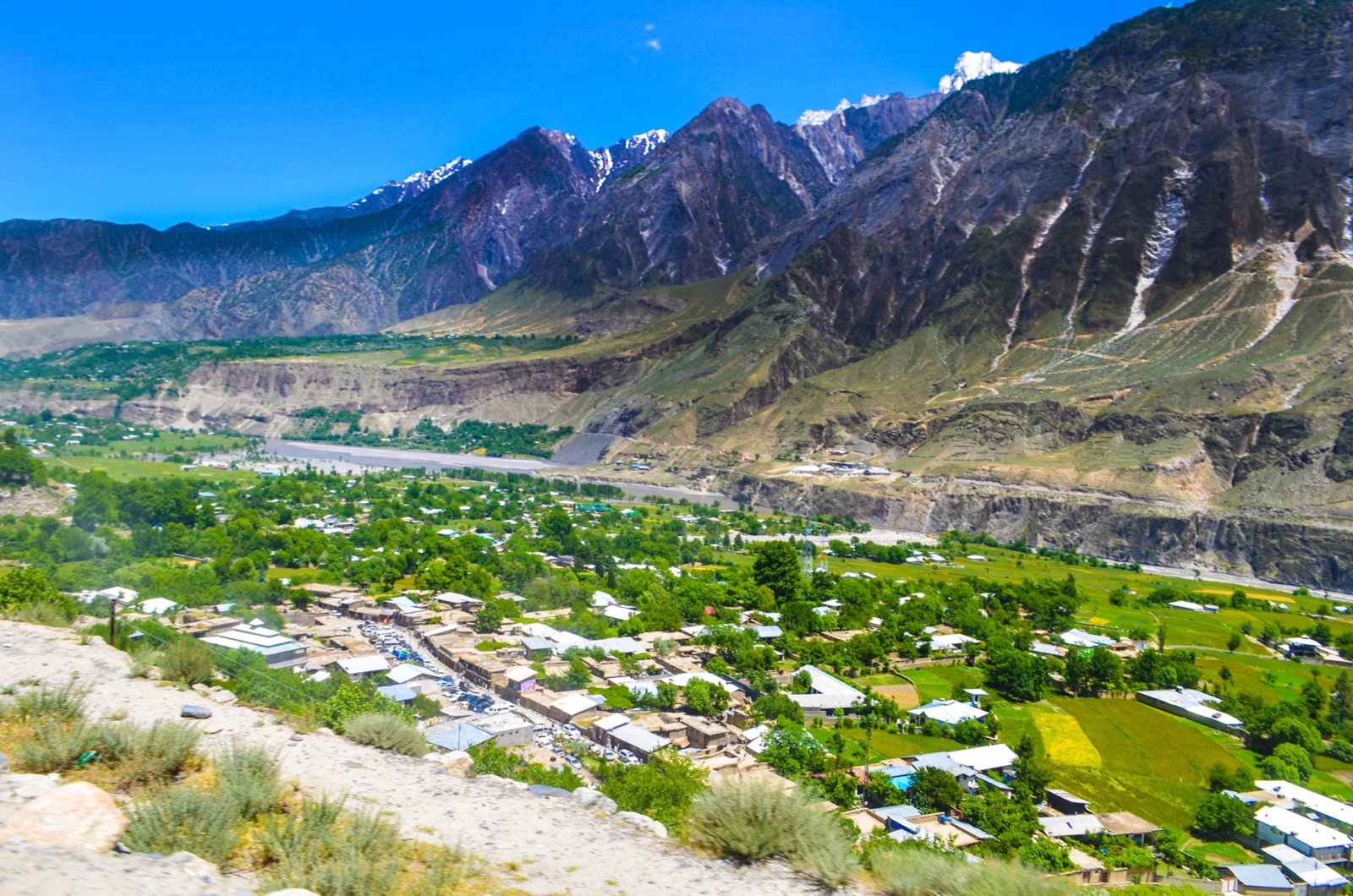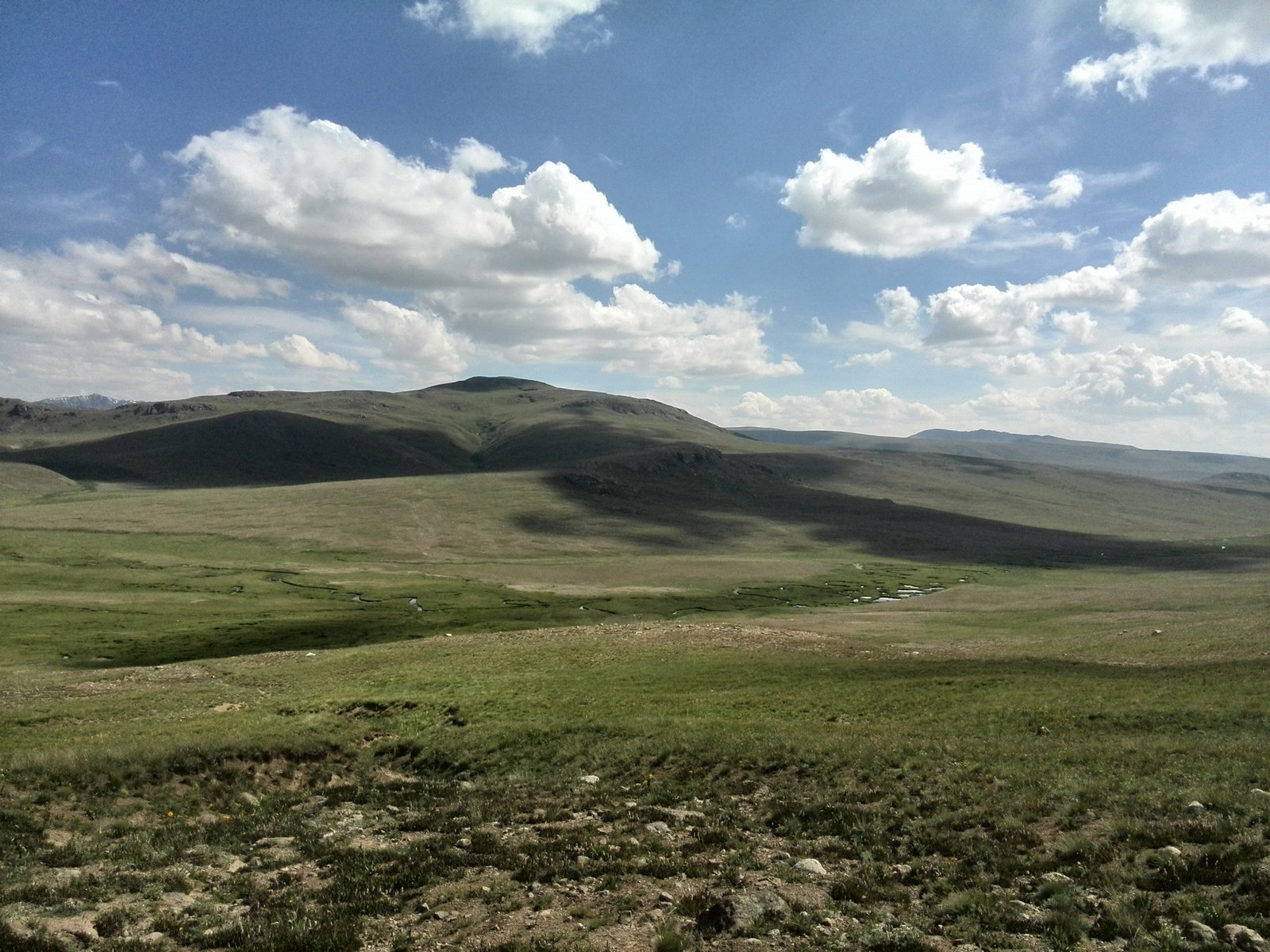
Deosai National Park is a protected high-altitude plateau between the Skardu and Astore areas. Open grassland, streams and Sheosar Lake give it a landscape quite different from the northern valleys. Seasonal access and conservation rules should guide the visit, with wildlife observed from a respectful distance.
Skardu or Astore → Deosai plateau → Sheosar option → Return or crossing
A route framework; the programme is agreed for your dates.
An open plateau rather than a forest meadow
Deosai’s defining experience is space. The road emerges into a broad high-country landscape with long views, low vegetation and changing skies. It is different from the woodland and Nanga Parbat outlook of Fairy Meadows, and different again from the forested Rama area.
The national park was designated in 1993 with brown-bear conservation as a central aim. The protected landscape contains a wider ecosystem of mammals, birds and plants. A visit should value that habitat rather than measure success by whether a bear approaches the vehicle.
Main attractions and what to see
Highland landscapes and conservation
Deosai National Park
Deosai is a protected high-altitude plateau between the Skardu and Astore areas. Its open grassland, streams, lake scenery and long views contrast with the enclosed valleys below. The park was designated in 1993 with Himalayan brown-bear conservation as a central aim. Wildlife is part of a protected ecosystem, so a visit should never depend on an animal sighting or close approach. Seasonal snow affects access; a warm day in Skardu does not establish that the plateau road is open.
Visit style: High altitude and seasonal road access.
Open plateau and lake views
Sheosar Lake
Sheosar Lake is one of Deosai’s principal landmarks. The broad water surface and surrounding plateau give it a very different feel from the steep-sided lakes around Hunza and Skardu. Seeing it is part of a properly planned Deosai excursion or crossing, not a short town outing. Weather, access and the time needed to return are more important than collecting every stop on the plateau. Protect the shoreline and follow park instructions about where visitors may walk or camp.
Visit style: Part of a seasonal high-altitude excursion.
Wildlife, flowers and what a sighting means
The provincial wildlife department lists Himalayan brown bear, golden marmots, Tibetan wolf and other species in the park’s wider fauna. Presence in the ecosystem does not establish that an animal will be seen on a particular excursion. The best approach is to watch quietly and keep distance.
Never feed wildlife, approach a bear for a photograph or encourage a driver to leave permitted routes to follow an animal. A guide and park instructions should shape stopping points. Binoculars can make distant observation more useful without a closer approach.
Vegetation and flowers change through the short highland growing season. Snow clearance and current conditions determine when visitors can reach the plateau. A green summer photograph is not evidence that a spring or autumn visit will look the same.
Day excursion, crossing or overnight camp?
A day excursion returns to the same lower base. A crossing links the Skardu and Astore sides where the road is open and the onward programme is suitable. An overnight camp is another arrangement, with equipment, meals and park permissions to consider.
These choices should not share a single generic promise. A crossing affects luggage, the next accommodation and the vehicle’s whole route. A camp adds sleeping and sanitation requirements. A return excursion must leave enough daylight and margin for the descent.
Sheosar Lake is a major landscape objective, but the selected route, access and time govern whether it belongs in the day’s programme. It should not be guaranteed merely because an excursion uses the name Deosai.
Seasonal access and the altitude difference
Deosai access normally belongs to the warmer part of the year, subject to snow clearance and road conditions. Opening and closing dates can vary. Lower-valley sunshine does not establish that the plateau is ready for travel. Obtain a current check close to the excursion.
The plateau is high altitude. Travellers should consider their individual health and obtain appropriate professional advice where needed. A touring vehicle makes the approach different from a trek, but does not remove altitude exposure. Weather can change rapidly and cold wind matters even on a summer day.
Keep the national-park visit flexible within the wider itinerary. A lower Baltistan heritage or lake day can be an alternative when access is unsuitable. If Deosai is the essential purpose of the trip, choose the travel window and route around that objective from the beginning.
Vehicle, meals and places to sleep
The plateau approach needs a suitable vehicle and a driver familiar with the current route. This may be a separate local arrangement from the car used for town sightseeing. The programme should account for fuel, return or crossing, meal stops and drinking water.
Skardu and Astore provide lower-area accommodation for different sides of the visit. There is no reason to describe a town hotel as being inside the park simply because it offers a Deosai excursion. Camping, where permitted, needs an explicit supported arrangement and a waste plan.
Take warm and weatherproof layers, practical footwear and essential supplies. Keep enough flexibility to shorten the outing or return if the conditions require it. A high-country day is most enjoyable when the scenery can be appreciated without pressure to complete an unsuitable checklist.
A visit that supports the protected landscape
Stay on permitted roads and paths, follow the instructions of park staff and use approved camp areas. Carry out waste and keep food secure. Do not pick plants, damage the shore or disturb wildlife for a closer image.
The park’s value is broader than its famous mammals. Streams, vegetation, birds and the open plateau all belong to the experience. A guide who explains those details can make a visit rewarding even when wildlife is distant.
Read the official wildlife department’s information for the conservation context, then use current local information for the practical excursion. The two kinds of evidence answer different questions: why the place matters and whether today’s programme is suitable.
The plateau is a habitat, not only a viewpoint
Deosai’s open terrain is part of a protected high-altitude ecosystem. Grassland, streams and seasonal flowers occupy a landscape very different from the cultivated valleys below. Its conservation importance includes the Himalayan brown bear, with other wildlife identified in the park authority’s information. Visitors should approach the place as a habitat rather than an attraction promising an animal encounter.
A bear sighting is uncertain and should never govern the day’s route. Feeding, following or approaching wildlife changes the encounter in harmful ways. Observe from an appropriate distance under local guidance. Keeping food and waste secure matters whether the visit is a brief stop, a crossing or an authorised camp.
The landscape itself provides the main visitor experience: broad views, moving cloud shadows, streams and the contrast with the enclosing mountain valleys. Taking time at a permitted stop is more rewarding than leaving the road to pursue a distant animal. The park article develops the conservation context and the main landmarks.
Sheosar and the shape of a plateau day
Sheosar Lake gives a Deosai programme a substantial water landmark. Its broad surface and open surroundings differ from Attabad’s steep banks or Kachura’s more enclosed setting. Light and weather change the view, while the return or onward road stage determines how much time is available.
A Skardu-based excursion and a crossing towards Astore are different itinerary shapes. The former returns to the same region; the latter changes the overnight base and requires the whole road connection to be workable. Both need an appropriate vehicle and a date-specific access check. A sunny day in a lower town is insufficient evidence about conditions on the plateau.
When Deosai is essential, build the travel dates and route around that objective. When it is optional, keep worthwhile lower-area visits within Baltistan. Our lake guide places Sheosar in the wider landscape, and the Astore guide introduces the other side of a suitable crossing.
A useful way to compare the approaches
A return day from Skardu keeps the overnight base on the Baltistan side. A suitable crossing towards Astore changes the next overnight and the following day’s route. These are different proposals even when both include a plateau stop. Compare the whole sequence, including vehicle, daylight and current road conditions, before choosing the version.
Useful questions, answered
Can wildlife sightings be guaranteed?
No. Wildlife is free-ranging in a protected ecosystem. Keep distance and follow park guidance.
Is Deosai the same as Fairy Meadows?
No. Deosai is an open high-altitude plateau; Fairy Meadows is a different meadow and woodland setting associated with Nanga Parbat.
Can I cross between Skardu and Astore through Deosai?
Only when the seasonal route and conditions permit and the onward programme is properly arranged.
Explore Deosai National Park with a local plan
Send your dates, party and main interests. We can discuss a complete route or the transport, guide and stays needed for this part of the north.
Sources and latest checks
Destination facts were checked against the sources below on 13 October 2026. Suggested routes are editorial examples. Opening arrangements, seasonal access, travel advice and hotel services can change.
FROM READING TO THE ROAD
Make it your journey.
Share your dates, the places you like and how you want to travel. Our local team will help shape the route.
Plan a private journey