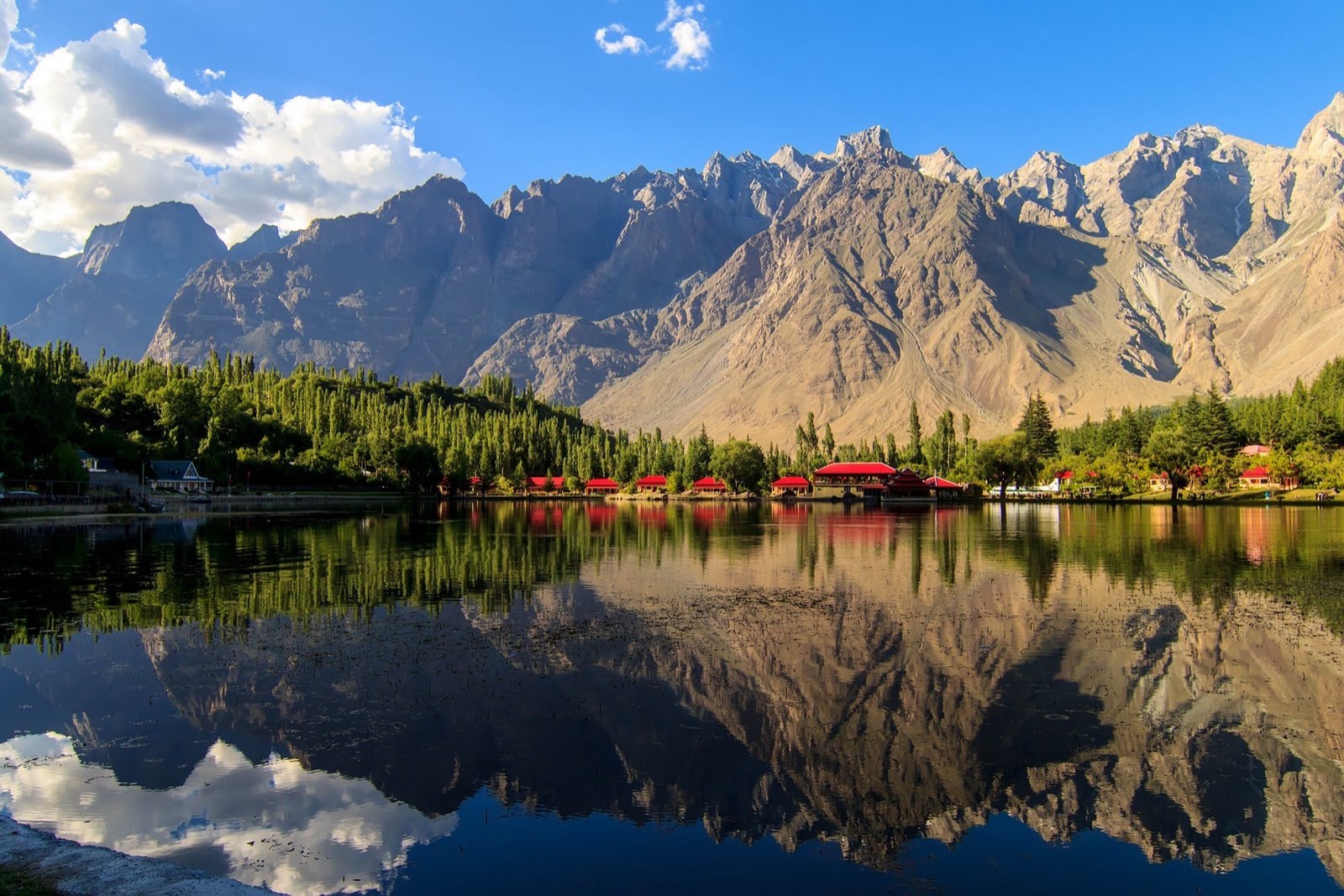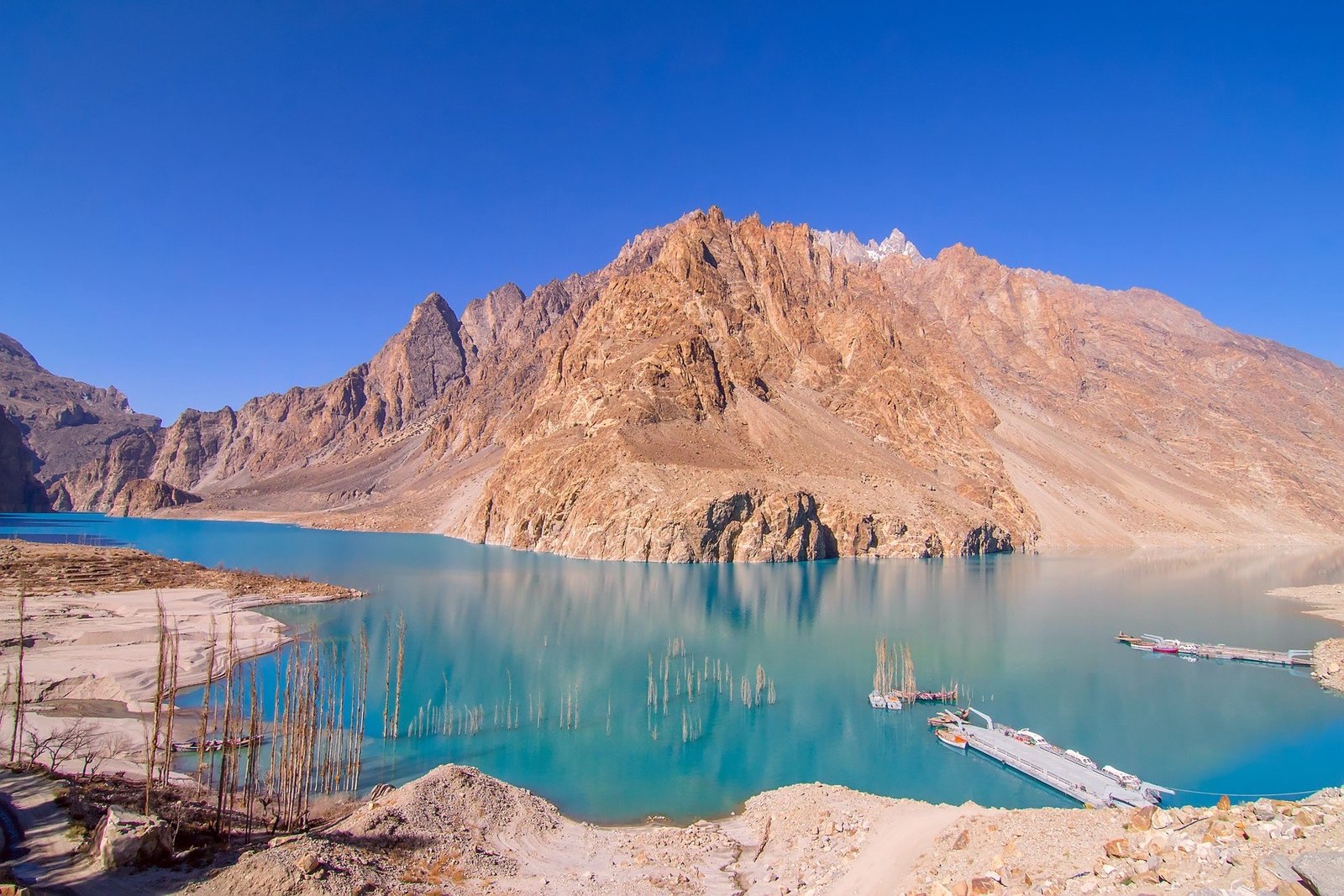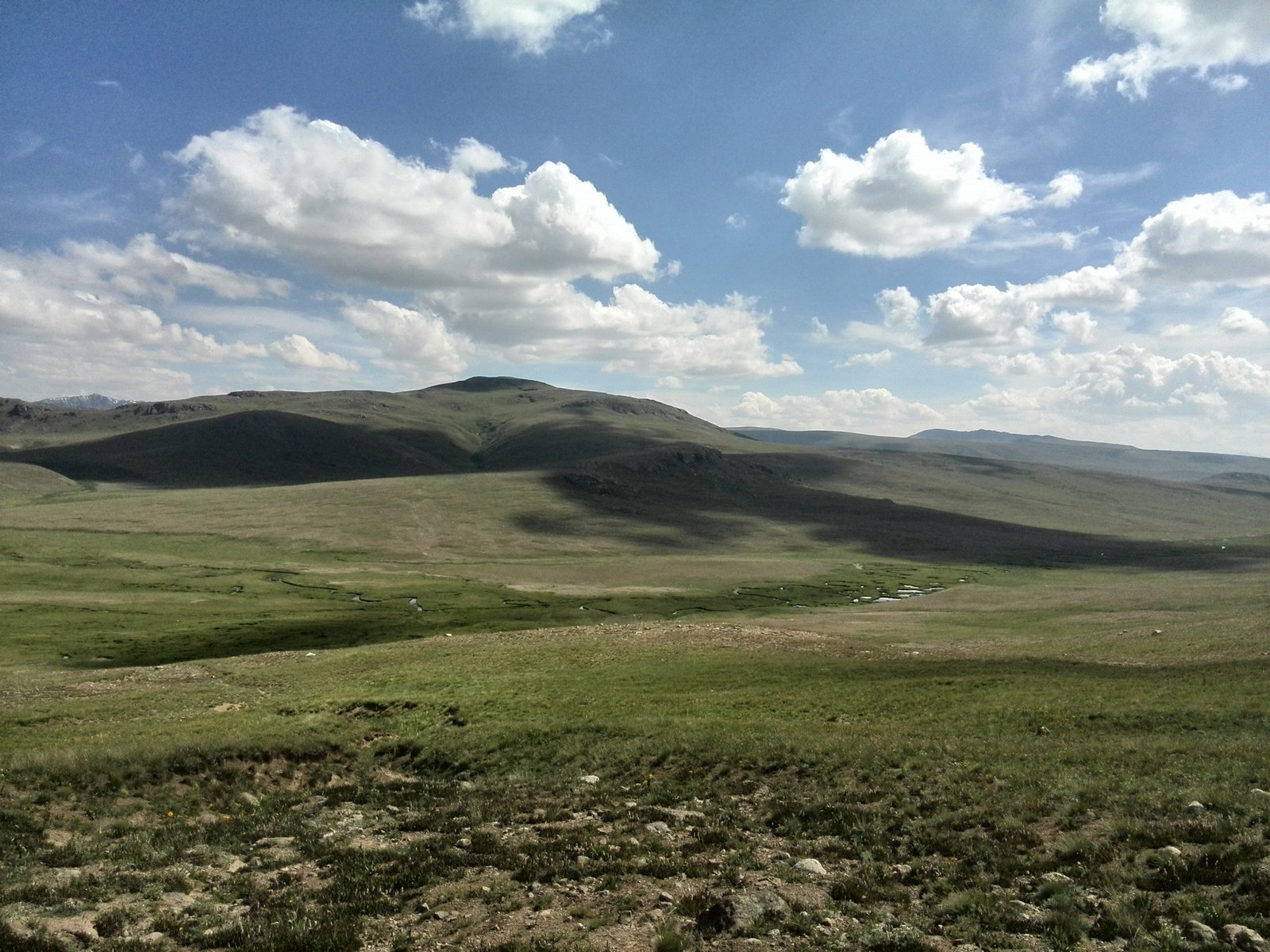
Deosai is valuable as a protected highland ecosystem, not simply a place to look for bears. Its plateau, Sheosar Lake, streams, birds and vegetation create a distinctive national-park visit. Learn what the official wildlife information establishes, what visitors may observe, and why responsible distance matters.
Why Deosai became a national park
The Gilgit-Baltistan wildlife department records Deosai’s designation in 1993 with protection of the Himalayan brown bear as a central objective. Conservation is therefore part of the place’s identity, not an optional theme added to a sightseeing trip.
The open plateau differs from the steep valley landscapes around Hunza and Skardu. A visitor can appreciate habitat, water and changing light without needing a close animal encounter. That broader purpose makes an excursion worthwhile even when wildlife is distant or not visible.
Two central landscape experiences
Deosai National Park
Deosai is the open-plateau choice. Its protected grasslands and long views provide a contrast to the enclosed valleys and woodland meadows. The outing needs a seasonal road check, a suitable vehicle and consideration of altitude. Wildlife belongs to the ecosystem and should be observed at a distance without a guaranteed sighting. A national-park visit is worthwhile for the landscape and conservation context even when no large mammal appears.
Good for: Highland landscapes and conservation. Allow for: High altitude and seasonal road access.
Sheosar Lake
Sheosar Lake gives a suitable Deosai programme a major water landmark. The surrounding plateau makes the view quite different from steep-sided Attabad or Kachura. It is part of a longer high-country outing or crossing rather than an independent town attraction. The route and time available determine whether it fits. Use approved access and protect the shore instead of leaving the route to create a closer photograph.
Good for: Open plateau and lake views. Allow for: Part of a seasonal high-altitude excursion.
Brown bears, marmots and the limits of a wildlife list
The provincial department identifies Himalayan brown bear, golden marmots, Tibetan wolf, fox and other mammals in the wider park fauna. A species list describes the ecosystem. It does not establish that each animal is visible from a road stop, common on a particular day or appropriate to approach.
Keep observation quiet and distant. Feeding an animal changes its behaviour and can create danger for visitors and wildlife. Never ask a driver to follow a bear off the permitted route, and do not use a close photograph as the standard for a successful visit.
Binoculars and patient observation can improve a nature visit without reducing distance. A guide who explains habitat and signs of wildlife can add interest when a large mammal is absent. Park staff and current instructions should control where vehicles stop and where visitors walk.
Birds, vegetation and a shorter growing season
The wildlife department lists birds including golden eagle, lammergeier and Himalayan griffon vulture among the park’s wider birdlife. The birds seen depend on season, conditions and observation. A specialist birding interest should be stated before choosing the guide and time allocated.
The plateau’s vegetation changes as snow retreats and the growing season develops. Flowers can be a major landscape feature during suitable periods, but exact flowering cannot be promised from a fixed calendar. Leave plants intact and avoid trampling ground simply to improve a foreground.
Streams and lake edges connect the visual landscape with the habitat. They deserve the same care as an animal sighting. A nature-focused day can include slow observation at permitted stops, rather than speeding between landmarks and treating conservation as a paragraph at the end.
Sheosar as a lake and habitat setting
Sheosar is one of the park’s principal landmarks. The broad shoreline and surrounding plateau give it a different character from lakes confined by steep mountain walls. It belongs within a suitable Deosai route and may not fit every shorter excursion.
The shore should be treated as part of the protected landscape. Follow approved access, keep food and waste secure and avoid turning a lakeside pause into an unapproved camp. Weather and the time needed for the return determine how long the stop can be.
For photography, the combination of sky, water and open ground offers variety without moving beyond permitted areas. A wider view can be more informative than a close shot made by disturbing the shore or wildlife.
Access is a practical decision made for the date
The park is a high-altitude seasonal objective. Snow clearance, road condition and the local vehicle arrangement govern access. Weather in Skardu does not provide enough evidence about the plateau. A crossing towards Astore differs from an excursion returning to the same base.
An overnight camp needs the permitted location, equipment, sleeping support, meals and sanitation clearly arranged. The existence of camping in a park description does not grant permission to pitch a tent anywhere. Carry out waste and follow the current instructions of the authorities.
Altitude and weather can affect suitability even when the visit is by vehicle. Seek professional advice for individual health concerns, and keep the programme flexible. Read our Deosai destination guide for the outing choices and the meadow comparison for alternative landscapes.
What to notice in the open landscape
Deosai’s scale is easiest to appreciate when you look beyond a single summit view. The open ground allows long sightlines across grassland, water and surrounding uplands. Moving cloud shadows can change the scene quickly. A stream or lake edge introduces a foreground that helps show the breadth of the plateau.
This is a different experience from the steep valley walls at Attabad or the woodland approach to Fairy Meadows. The openness is the attraction. A suitable stop can give time to observe the landscape without walking far from the permitted route. Weather and altitude still govern what is comfortable and appropriate.
Seasonal vegetation adds another layer. The park authority describes a rich high-altitude ecosystem, with flora and wildlife adapted to its conditions. Look closely at the ground around a permitted stopping place and avoid trampling vegetation for a photograph. The landscape should retain its character after the visit.
Brown-bear conservation and responsible observation
The national park was designated in 1993 with Himalayan brown-bear protection central to its purpose. That history explains why wildlife behaviour and habitat deserve priority over a visitor’s preferred photograph. A bear belongs to the ecosystem; it is not an inclusion in a tour booking. Sightings are uncertain and should never be promised.
If wildlife is seen, follow the local guide and park instructions, keep an appropriate distance and avoid following or feeding it. Food scraps, picnic waste and unsecured camp provisions can affect animals even when the visitor never sees one. Waste handling is therefore part of a day visit as well as an overnight arrangement.
A protected landscape also requires care around shorelines, streams and permitted camping areas. Keep the programme within authorised access and use the conservation setting to understand the place. A day with no animal sighting can still provide the full landscape experience.
Sheosar within a wider northern journey
Sheosar is a principal water landmark on the plateau. Its broad setting makes it different from the resort lakes near Skardu or the enclosed Attabad landscape. Whether it fits a return excursion or a crossing depends on the whole road sequence and available daylight.
For a trip also considering Rama, read the Astore guide. For a Skardu-centred itinerary, the Baltistan guide provides lower-area options. Treat the park as a specific seasonal objective with strong regional alternatives, so one access decision does not define the value of the whole holiday.
Compare a return excursion with a crossing
A return from Skardu keeps the overnight on the Baltistan side. A crossing towards Astore changes the journey’s next base and the route beyond the plateau. The same landmark can therefore belong to different day patterns. Review the complete driving sequence, daylight and current conditions before choosing. A crossing should be part of a coherent onward itinerary, with the necessary accommodation and vehicle arrangements. It is not simply a longer version of a town sightseeing outing, and the entire connection needs to be workable for the agreed date.
Useful questions, answered
Does Deosai guarantee a bear sighting?
No. Animals are free-ranging and a protected-habitat visit should not depend on close encounters.
Can I camp anywhere beside Sheosar?
No. Use current park permissions and designated arrangements; a scenic spot is not automatic camping permission.
What makes a good visit when no bear is seen?
The plateau, lake, streams, vegetation and responsible bird or wildlife observation provide a worthwhile nature experience.
Turn the places you like into your own route
Send us your travel month, days in Pakistan and the places that caught your interest. Our local team can discuss the guides, transport, stays and activities for your party.
Sources and latest checks
Destination facts were checked against the sources below on 13 October 2026. Suggested routes are editorial examples. Opening arrangements, seasonal access, travel advice and hotel services can change.
FROM READING TO THE ROAD
Make it your journey.
Share your dates, the places you like and how you want to travel. Our local team will help shape the route.
Plan a private journey