Use seven days for one focused northern region, ten days for a slower regional journey or a carefully selected extension, and fourteen days when combining Hunza and Baltistan is a genuine priority. These are example lengths in Pakistan, not promises that every flight and high-country route will fit your dates.
Count usable days in Pakistan first
An international departure date is not the same as the first day available in the north. Arrival time, a city overnight, the northern flight or road approach and the return all use part of the holiday. A seven-day leave window can produce fewer than seven touring days.
Define the count before comparing itineraries: does the programme begin on arrival in Islamabad, at a northern airport or at the first valley hotel? The examples below use days in Pakistan and keep the northern approach visible. Add international travel time separately.
A domestic flight can reduce road time when it operates, but a short programme still needs a reasonable alternative and return margin. A road holiday gives the approach its own scenic interest; it should be chosen because you want that journey, with enough time for it.
Seven days: a focused Hunza example
Day 1: arrive in Islamabad and keep the remaining programme modest. Use the night to settle before the northern approach.
Day 2: use the confirmed northern connection and travel towards the Hunza base. A domestic arrival at Gilgit and a staged road arrival create different days, so this example must be adjusted to the transport.
Day 3: explore central Hunza through Baltit, Karimabad streets and an appropriate Altit visit. Leave time for a meal and the walking approaches.
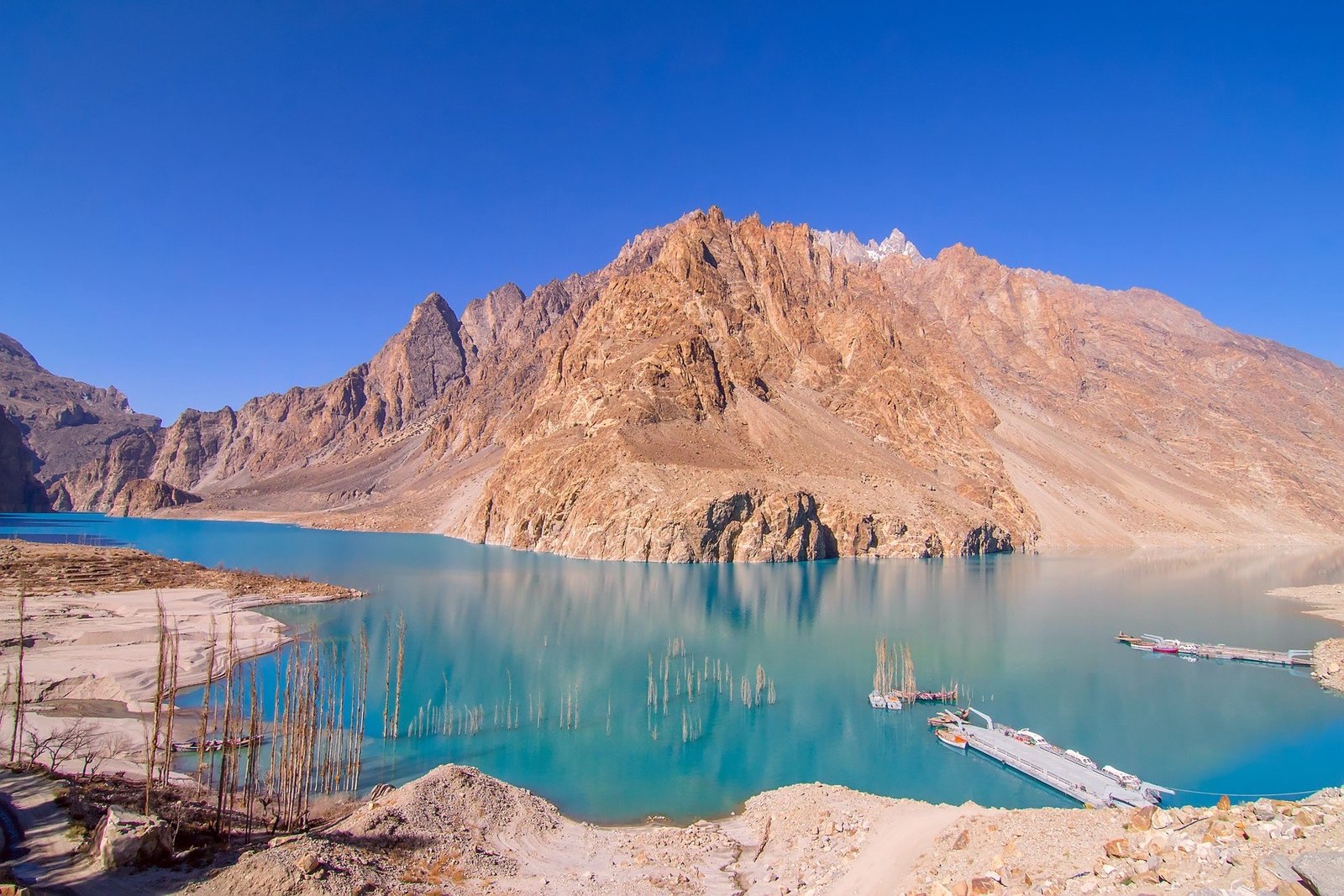
Day 4: follow the Upper Hunza sequence towards Attabad, Gulmit and Passu. Choose the lake activity and additional stops rather than attempting everything.
Day 5: add a Nagar outing, a suitable walk or more time at the valley base. This is the day for the interest that makes the trip yours.
Days 6–7: return through the confirmed transport plan, with a margin before the international departure. A weather-affected northern flight should not be placed against an inflexible onward ticket. This outline is most practical when the connection leaves enough destination time; a full road approach may need a longer version.
Seven days: a focused Baltistan alternative
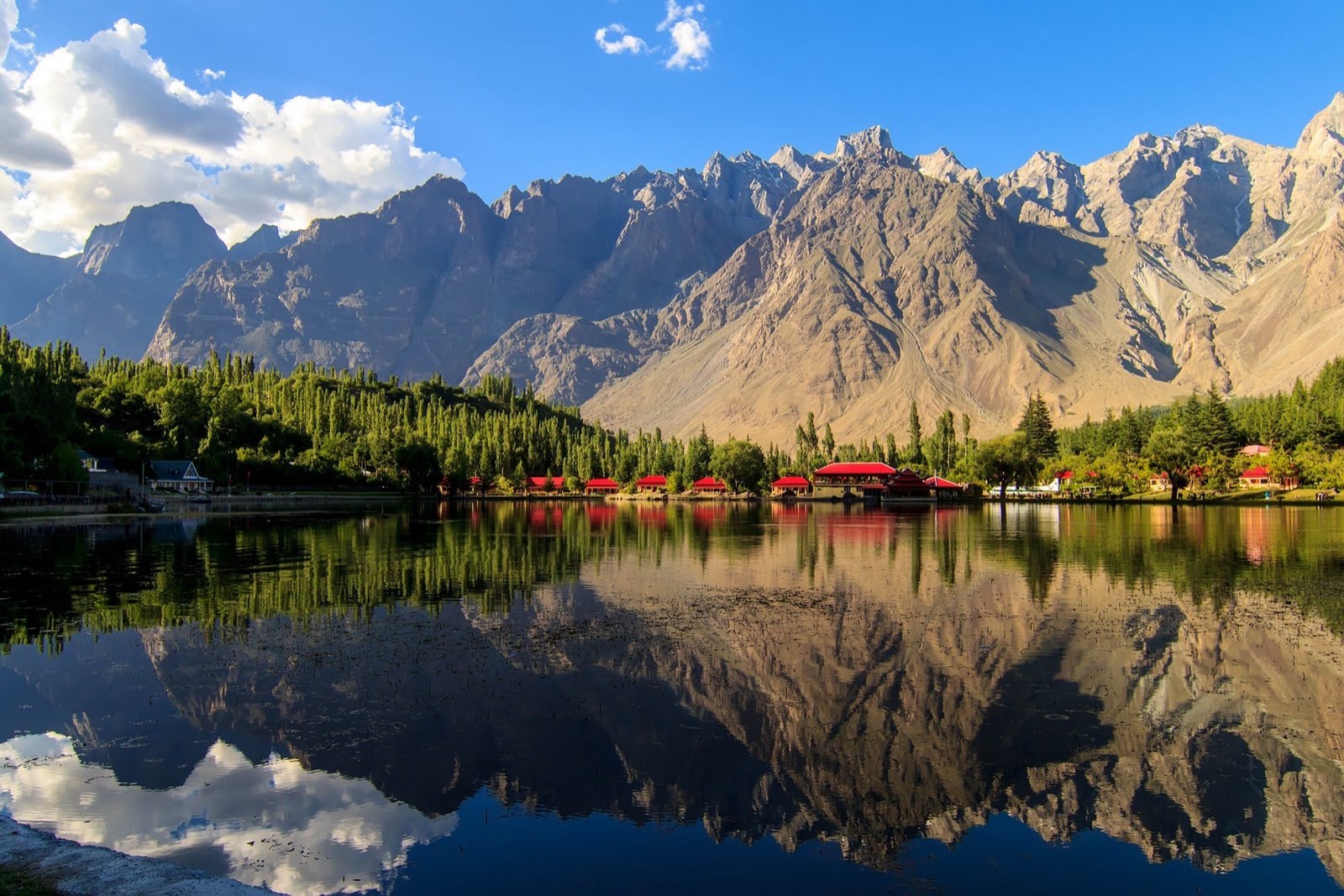
A Baltistan version uses the same arrival-and-return principle with Skardu as the gateway. After arrival, choose a town or nearby lake day. Give Kachura its own programme and Shigar a separate heritage-and-landscape day.
A seasonally suitable Deosai outing can be discussed if it fits the remaining time and conditions. Khaplu is another choice, but a meaningful overnight there uses time that cannot also be assigned to every lake and highland objective.
For a shorter first visit, the most satisfying version may be Skardu, Kachura and Shigar with time at each. That combination already provides town life, water, dunes and restored heritage. There is no need to include Hunza simply to make the route sound more complete.
Ten days: deepen one region or choose one extension
Ten days creates more opportunity for consecutive nights and selected walks. In Hunza, divide time between a central heritage base and an Upper Hunza stay, then add a Nagar objective that suits the party. In Baltistan, give Skardu, Shigar and Khaplu distinct roles in a circuit.
A meadow extension should be the deliberate extra interest. Fairy Meadows needs its Raikot approach, local track and walking time; Rama needs an Astore programme; Deosai needs a seasonal high-country check. None is an effortless extra to every ten-day route.
Use the extra days to improve the experience: another full day at a base, a quieter arrival or a meaningful walking objective. Adding another distant region can consume the same time mostly in transfers. Compare both versions before deciding.
Fourteen days: a two-region example
A longer example can begin with arrival and the northern approach, continue through central and Upper Hunza, then use a dedicated interregional road stage towards Baltistan. Skardu, Shigar and Khaplu can then receive their own sightseeing and overnight time before the return.
This is a route framework rather than fourteen fixed promises. Actual flight dates, driving conditions and the selected walks change the distribution. A seasonal Deosai visit may fit the Baltistan part, while a separate meadow stay needs its own time allocation.
A heritage-focused traveller may prefer more nights around Karimabad, Shigar and Khaplu. A photographer may want repeat opportunities at Passu or a lake setting. A family may benefit from fewer hotel changes. Fourteen days is enough to discuss those priorities, but not a reason to promise every northern attraction.
| Time available | Strong starting point | What to avoid |
|---|---|---|
| 7 days in Pakistan | One main northern region | Combining every valley and meadow |
| 10 days | A fuller regional circuit or one selected extension | Adding places that create mostly transfers |
| 14 days | Hunza and Baltistan with a dedicated connection | Treating high-country access as automatic |
Adjust the framework to the season and the people
Travel month changes the appropriate route. Blossom and autumn trips can focus on lower valley and heritage settings. Walking and plateau objectives need a suitable high-country window. Winter requires a specifically designed programme, with heating, access and daylight considered.
The party also changes the day. A fort climb, a village stroll and a base-camp trek are not interchangeable activities. Tell the team which experiences are essential and which are optional. That gives the itinerary a clear purpose when weather or access changes.
Compare the final plan by overnight base, expected travel stages, services and time at the destinations. Our tour catalogue provides starting routes; a private version should name the programme and terms agreed for your party.
What a full day in Hunza can contain
A central Hunza day has enough interest without an onward drive to every famous northern view. Baltit’s elevated fort setting, the streets of Karimabad and a visit towards Altit give the day a cultural progression. Include time for interpretation and a meal, with a suitable valley viewpoint if the conditions and pace allow. The point is to experience the settlement and heritage together.
An Upper Hunza day has a different sequence: Attabad’s water landscape, Gulmit’s village setting and the views around Passu. A selected public walk changes the perspective from roadside panoramas to closer settlement details. The lake and cones are connected along the valley, but they should still receive time rather than become labels between stops.
A third regional day can develop the interest that matters most. A Nagar outing gives the neighbouring mountain-and-glacier landscape a role. Another central day can deepen heritage or photography. A shorter walk can be included where its route suits the party. This is why seven days need not mean seven different overnight destinations.
What a full day in Baltistan can contain
A Kachura day distinguishes two lakes. Lower Kachura provides the familiar resort setting, while Upper Kachura involves its own approach to the shoreline. Leave time for the walk and views before adding other distant attractions. A separate Skardu town period can include the bazaar or Kharpocho when the climb suits the traveller.
A Shigar day can combine the restored fort with settlement time and a selected landscape stop around the valley. Khaplu benefits from a longer sequence with its own overnight: palace, mosque and town surroundings then have time beyond the driving stage. On a longer route, these stays can replace repeated returns to Skardu.
These examples explain what extra days buy. They can provide more depth at a base, not simply expand the map. Before adding Deosai or a different region, make sure the experiences already chosen receive the time they deserve. The attractions shortlist helps choose those priorities.
Count the travel calendar clearly
Separate nights on the international journey from nights within Pakistan. Then identify the gateway nights, regional bases and final return. A ten-day leave window and ten days on the local programme are not automatically the same holiday. Writing down the overnight sequence is a simple way to see how much destination time the route provides.
Useful questions, answered
Can seven days include Hunza and Skardu?
A longer two-region journey is usually the better discussion. Seven days including arrival and return is best used for a focused route.
Do these counts include flights from home?
No. They describe example time in Pakistan. International travel and the connection still need to be added.
Which length is best for a road holiday?
It depends on the start point and route. Give the approach real days rather than assuming it leaves the same sightseeing time as an operating flight.
Turn the places you like into your own route
Send us your travel month, days in Pakistan and the places that caught your interest. Our local team can discuss the guides, transport, stays and activities for your party.
Sources and latest checks
Destination facts were checked against the sources below on 13 October 2026. Suggested routes are editorial examples. Opening arrangements, seasonal access, travel advice and hotel services can change.
FROM READING TO THE ROAD
Make it your journey.
Share your dates, the places you like and how you want to travel. Our local team will help shape the route.
Plan a private journey