A Karakoram Highway holiday is a journey through changing valleys, not only transport to Hunza. Gilgit, Nagar, central Hunza and Upper Hunza give the route natural stages. The strongest programme balances travel with time at the places along the road, using current access and travel advice for the exact sections.
What the road journey offers
The highway links settlement, river and mountain landscapes through the north. The scenery changes as the route moves towards the Karakoram valleys. The road can be the main experience for visitors who enjoy a staged journey and want to understand how the regions connect.
A full road approach uses more holiday time than an operating domestic flight. That can be a benefit when the journey itself matters, but it should be visible in the itinerary. A long transfer described as a sightseeing day still leaves less time at the destination.
Current road conditions and government advice must be checked against the route. Some advisories distinguish particular highway sections. A broad statement that the north is open is not enough for deciding a new trip.
Five places that add meaning to the road sequence
Junction of three mountain ranges
The three-range viewpoint near Jaglot gives a long road journey a useful geography pause. The signs and river setting help visitors place the Himalaya, Karakoram and Hindu Kush in relation to the route. It is a brief educational stop where the road already passes nearby. A photograph from a safe permitted area is sufficient. Avoid creating an unrelated extra drive just to add another landmark to an otherwise focused holiday.
Good for: Regional geography. Allow for: A roadside viewpoint.
Kargah Buddha
Kargah Buddha is one of the strongest reasons to give Gilgit a local sightseeing day. The large cliff carving introduces the Buddhist history of the region without requiring a remote expedition. Pair it with town and bazaar time for a mix of archaeology and everyday life. A guide can separate historical interpretation from the local legends around the figure. Keep the archaeological setting intact and use appropriate viewing points.
Good for: Archaeology and regional history. Allow for: A short outing with local walking.
Rakaposhi viewpoint
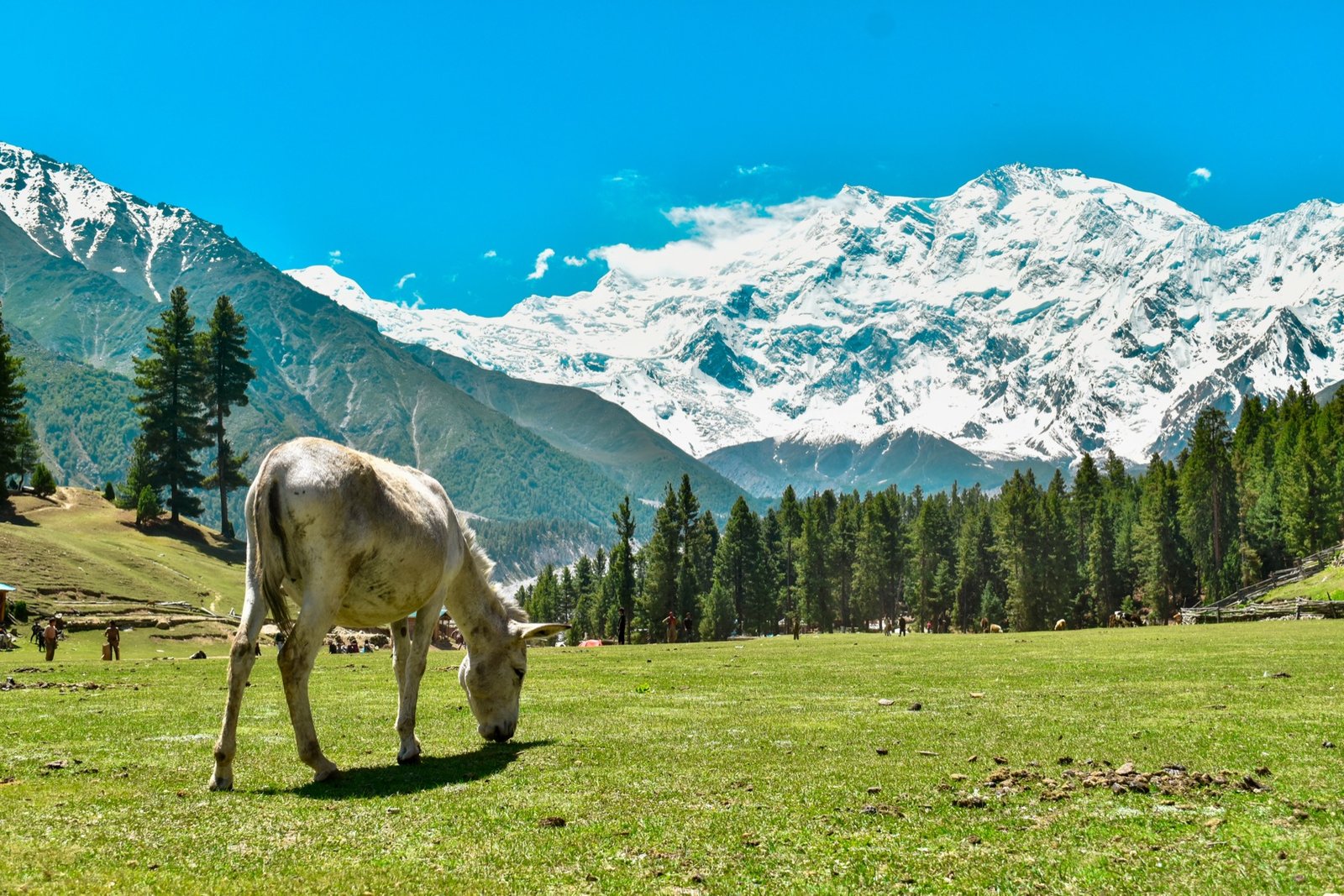
The Ghulmet viewpoint is a useful stop on the approach to Hunza through Nagar. When the summit is visible, it shows the remarkable scale between the valley and Rakaposhi. This roadside experience should not be advertised as a base-camp visit. Keep a walking objective separate, with dedicated time and support. Cloud can hide the upper mountain, so appreciate the lower slopes and village landscape as well. It is a route stop that works because of where it lies.
Good for: A mountain view on the route. Allow for: Roadside stop; base-camp trekking is separate.
Attabad Lake
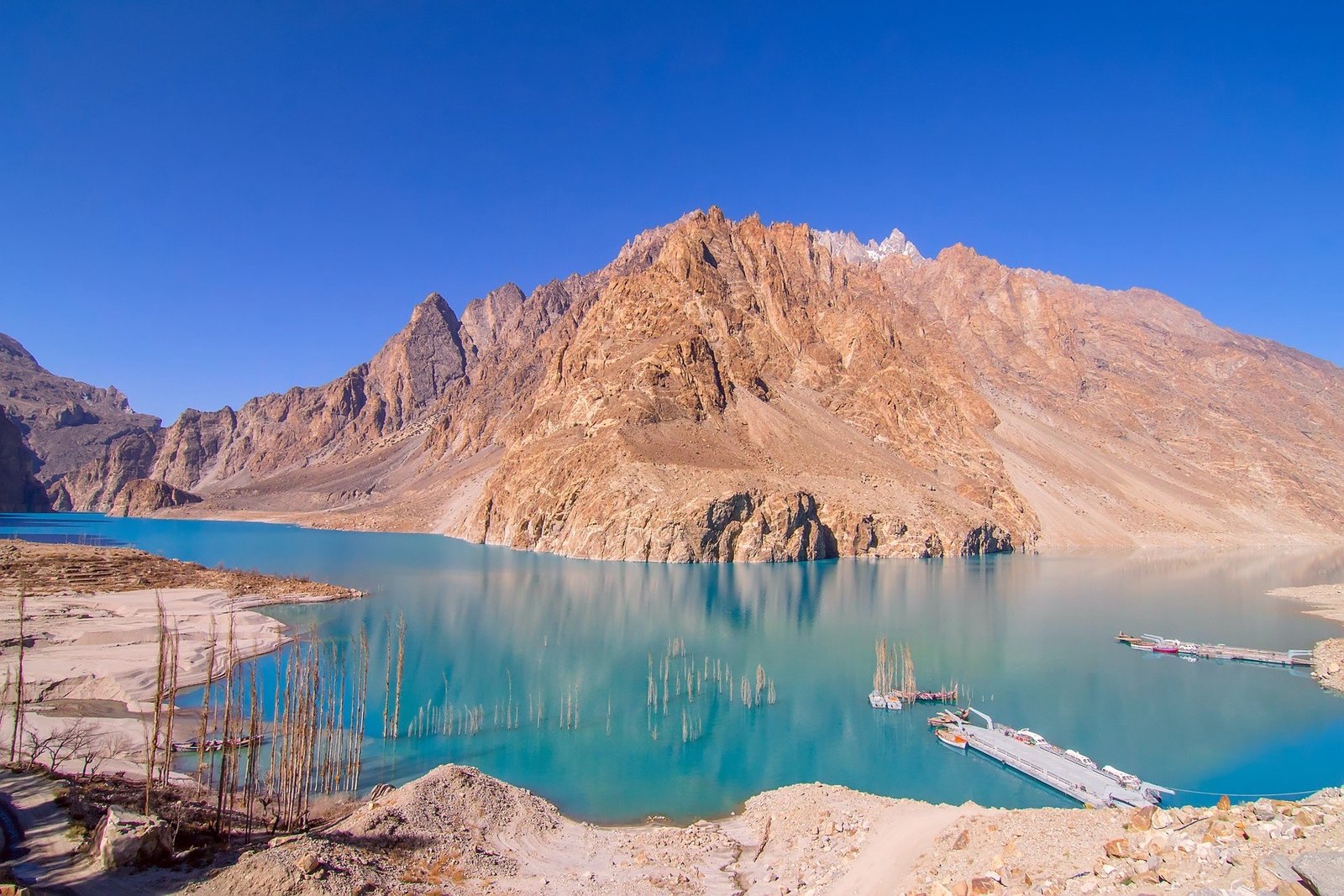
Attabad is the natural water stop on an Upper Hunza road day. Its 2010 landslide origin gives the lake a history that should accompany the familiar turquoise-water photograph. A viewpoint is enough for some visitors; an agreed boat excursion provides a different perspective. Families should check boarding and equipment with the operator. Continue towards Gulmit or Passu when the day’s programme permits, or stay beside the water for a more relaxed lake-focused experience.
Good for: Lake scenery and optional boating. Allow for: Road access; boat boarding varies.
Passu Cones
The cones around Passu give an Upper Hunza day its most recognisable mountain outline. You can enjoy the classic scene from suitable stops along the road, without committing to a trek. Change the foreground rather than chasing a closer peak view: the village, river and farmland create different compositions. An overnight gives another opportunity for favourable light. Keep photography away from the carriageway and ask before making people or private fields part of the image.
Good for: Mountain photography. Allow for: Roadside views and optional short walks.
Build stages around useful overnight bases
A staged approach gives each travel day a purpose and an achievable overnight. The exact break points depend on the starting city, chosen route, condition of the road and the party. Do not use a map’s shortest driving time as a promise of the whole day’s experience.
Gilgit can provide a local visit and an onward gateway. Nagar’s Rakaposhi viewpoint fits the Hunza approach. Karimabad supports central heritage, while an Upper Hunza night creates time around Attabad, Gulmit and Passu. Those bases create a coherent sequence rather than repeated daily returns.
A circuit towards Baltistan needs a separate interregional stage. It should not be hidden inside the same day as several Hunza attractions. The overnight pattern is the clearest way to compare two proposed road holidays.
The Babusar alternative is seasonal
A route through Naran and Babusar may appear in warmer-season proposals, but it is not a year-round replacement for every highway journey. Snow, weather and the current road situation govern access. The route should be confirmed for the travel dates.
A seasonal scenic route can be appealing, yet it also needs an alternative when unsuitable. The rest of the holiday should remain practical if that approach changes. Avoid committing to an onward programme that leaves no room for a different road stage.
The appropriate route also depends on current government advice and local permissions. A seasonal opening does not answer every security or eligibility question. Keep those checks separate from whether a road is physically passable.
Stops that improve the day and stops that overfill it
A geography stop, a meal, a heritage visit and a landscape viewpoint provide different kinds of interest. Choose stops that fit the road direction and leave time to enjoy them. Several nearly identical viewpoints may add little while delaying the arrival.
A demanding walk should have its own time rather than appear as a brief roadside stop. Fairy Meadows, for example, requires its local track and uphill walking approach. The Rakaposhi roadside view is distinct from the base-camp trek.
Tell the planner how you feel about long driving days and frequent hotel changes. A smaller route can be better for a family or traveller with limited time. A road enthusiast may prefer the fuller journey, with fewer activities squeezed into the transfer day.
Vehicle and driver details that matter on a road holiday
The car should match party size, luggage and the agreed route. A larger group may need more vehicle space than the headline passenger count suggests. Seat belts, room for bags and the driver’s daily programme are concrete details to review.
Some side routes need a separate local vehicle. The main touring car does not establish access to every upper valley or mountain track. Name those changes in the programme and quote. A guide and a driver may also have different roles.
Keep reasonable daylight for travel, breaks and arrival. Current conditions can change the order of optional stops. The written programme should explain the main stages and how an altered route is handled, rather than promising a fixed view at a fixed hour.
The road connects lived-in valleys
The highway’s interest includes the settlements through which it passes. Gilgit gives the journey a regional town perspective. Central Hunza combines forts with orchards and public streets. Upper Hunza changes the foreground to lake banks, villages and the cone landscape around Passu. These are places in which to spend time, not simply successive roadside labels.
A well-paced journey uses a few useful bases and selective stops. Heritage can give a cloudy day purpose, while suitable village time offers closer details between the large panoramas. The road then becomes the connection between experiences rather than the whole experience itself.
For photographers, moving along the valley changes mountain alignment and foreground. A terrace, settlement edge or lake bank can create quite different views. Appropriate stopping places and permission matter more than collecting every location marker. Use the photography article to choose the landscapes that deserve longer stays.
Add a historical stop where it fits
Gilgit’s Kargah Buddha introduces the wider region’s Buddhist past through a standing figure carved into the cliff. It is a focused outing with a different interest from the large mountain panoramas. Where the overnight and road sequence allow, a town visit and archaeological stop can give the journey variety without adding another remote valley.
Useful questions, answered
Is a highway trip just one long transfer?
It can be designed as a staged holiday with meaningful valley and heritage visits. The overnight sequence determines the quality of the experience.
Can I use Babusar in winter?
Do not assume it. It is a seasonal high-pass option requiring a current access check.
Does a roadside Rakaposhi view include trekking?
No. The viewpoint and the base-camp approach are different activities.
Turn the places you like into your own route
Send us your travel month, days in Pakistan and the places that caught your interest. Our local team can discuss the guides, transport, stays and activities for your party.
Sources and latest checks
Destination facts were checked against the sources below on 13 October 2026. Suggested routes are editorial examples. Opening arrangements, seasonal access, travel advice and hotel services can change.
Related guides: Is Northern Pakistan safe for tourists? What to check before you book · Skardu and Hunza private tour: a sample 10-day itinerary
FROM READING TO THE ROAD
Make it your journey.
Share your dates, the places you like and how you want to travel. Our local team will help shape the route.
Plan a private journey