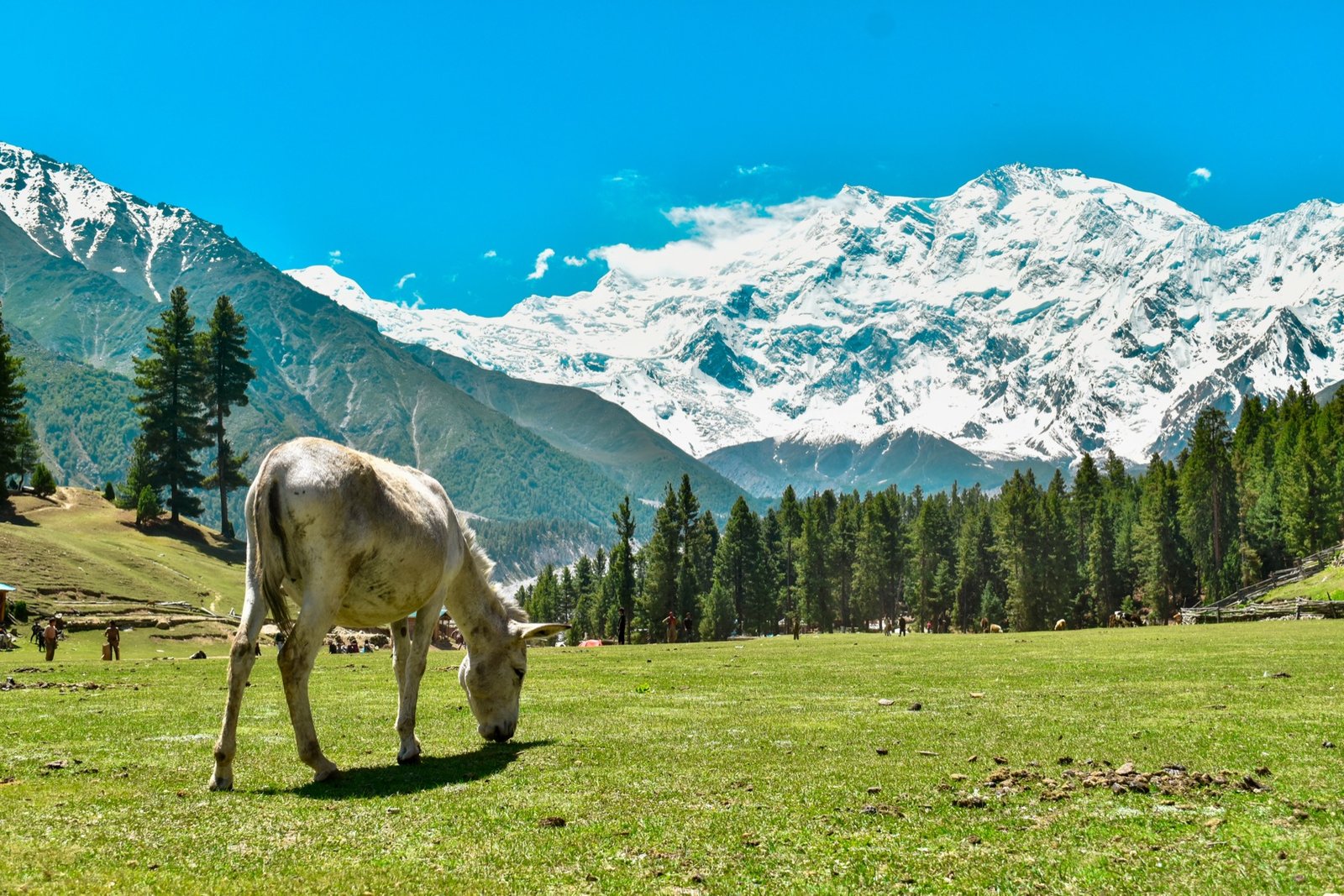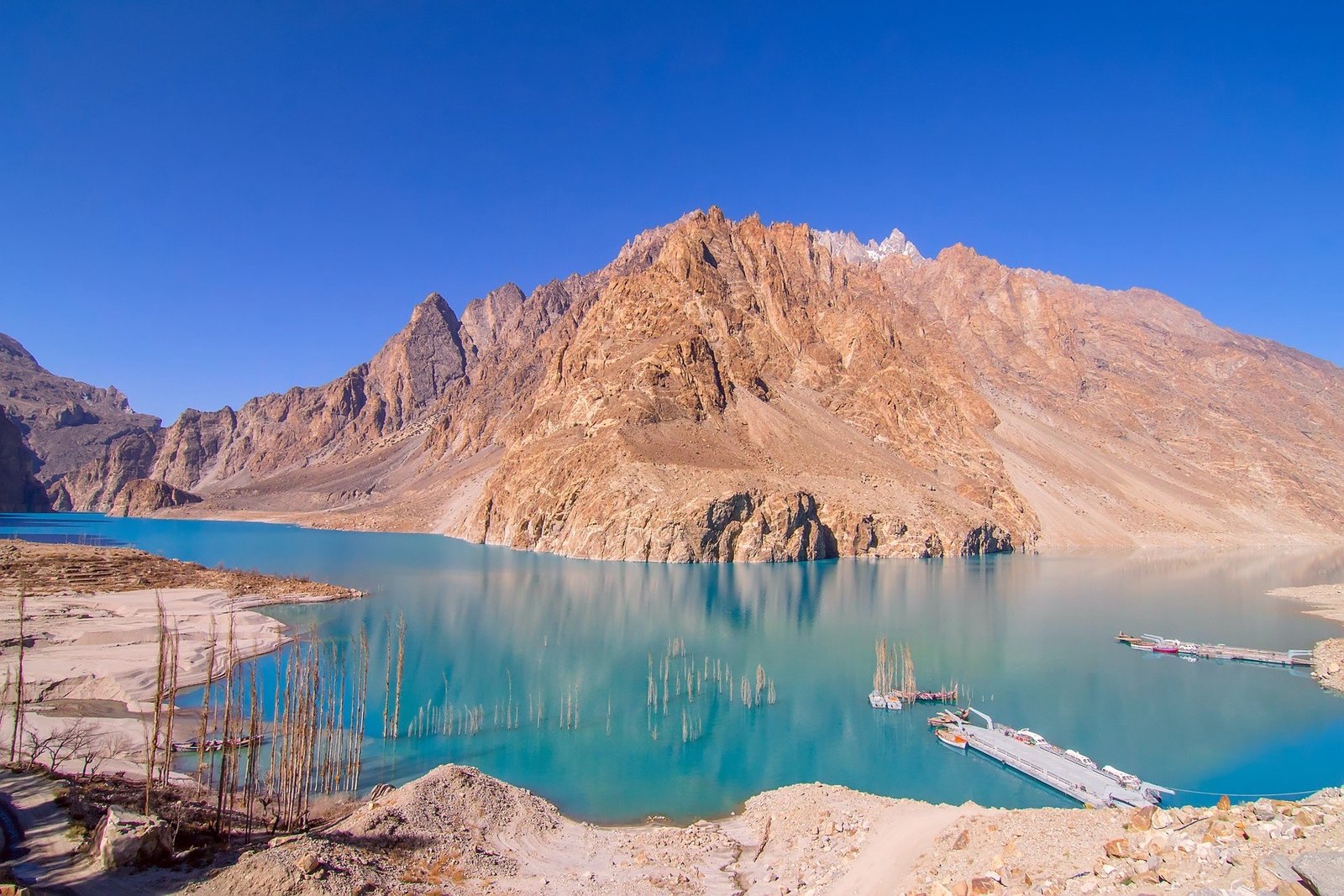
Travellers ask this before almost anything else, and a fair answer starts with a limit: nobody can promise a risk-free trip anywhere in Pakistan, including the northern valleys. What we can do is show you where to read the official advice, which risks matter most in the mountains, and what changes when a trip is planned carefully with local knowledge.
What governments say right now
Advice differs by country and changes often, so always read the current version yourself before you pay a deposit. At the time of writing (November 2026):
- The UK Foreign Office advises against all but essential travel to Gilgit-Baltistan, which includes Hunza, Skardu and Nagar. Its advice for the rest of Pakistan is separate and also carries restrictions.
- The US State Department lists Pakistan at Level 3, “Reconsider travel”.
- The Government of Canada advises a high degree of caution.
Some governments are more specific about the north. For example, Belgium’s advisory notes that tourism around Skardu, Gilgit and Hunza is generally possible when it is well organised through a professional agency and an experienced local guide. That is one government’s view, not a guarantee, and you should weigh it against the others.
Insurance matters. Some travel insurers void cover if you travel against your government’s advice. Read your policy wording, confirm in writing that Pakistan and Gilgit-Baltistan are covered, and check whether it includes medical evacuation from altitude.
What travellers say after visiting
Official advisories are one input. Another is what people report after they have been. Several well-known travel creators have described Pakistan very differently from the headlines. These are personal experiences, not safety guarantees, and conditions change, so read them alongside the advisories above and decide for yourself.
- Drew Binsky, an American travel blogger who has visited well over a hundred countries, described Pakistan’s hospitality as the best he had experienced. In 2019 he said locals, including street vendors in Peshawar, would not let him pay for meals, gifts or taxis, and called Pakistan one of the world’s most misunderstood countries. Express Tribune report, April 2019.
- Kasem Hato, a Jordanian vlogger (Ibn Hattuta Travels), told Arab News that Pakistan is “very safe” in his experience, and said the hospitality was the best he had found anywhere. Arab News, November 2020.
- Ragdah Al-Howaish, a Saudi vlogger who travelled to Pakistan alone, said friends and family at home had warned her against going. After sharing her videos, she said, they understood it was like any other country. She described the trip as “life-changing”. Arab News, November 2020.
- Joe Hattab, a Jordanian filmmaker with millions of YouTube subscribers, has visited Pakistan several times since 2018 and told Arab News that its hospitality is what keeps him coming back. Arab News, November 2020.
Keep in mind that these accounts are a few years old, come from individual visitors rather than a safety assessment, and some of the trips were outside the mountain north. Many visitors also travelled with local hosts or guides. If you have the choice, talk to people who have travelled recently on the route you are considering.
The practical risks in the mountains
For most visitors the day-to-day risks are about terrain and weather more than anything else:
- Road conditions. Landslides, rockfall and flooding can close sections of the Karakoram Highway and the Skardu road, mostly in the monsoon and spring melt. Days can lengthen or routes can change.
- Flights. Flights between Islamabad and Skardu or Gilgit depend on weather and are often cancelled or moved. Build spare days into the end of the trip.
- Altitude. Hunza sits around 2,000-2,500 metres and Fairy Meadows at roughly 3,300 metres. Headaches and poor sleep are common; climb gradually and rest.
- Health access. Hospitals are far apart. Carry basic medicines, and tell your guide about any condition before you leave.
What careful planning changes
- Use a local team that knows current conditions. Road and security information moves faster than any guidebook. A locally based team can check closures, reroute and decide when not to travel on a given day.
- Stay on established routes and bases. Hunza, Skardu, Khaplu, Shigar and Fairy Meadows are regular visitor areas with guesthouses and experienced drivers. Remote border zones and some areas need permits or are not open to visitors at all.
- Keep the itinerary flexible. A trip with slack days handles a closed road far better than a tight one. Our how many days guide explains what to allow.
- Travel in the right season. See the best time to visit guide for what each month means for roads and views.
- Share your plans. Give family your itinerary, register with your embassy where possible, and keep copies of your passport and visa. Our visa planning guide covers the paperwork.
Respect local customs
Dress modestly, particularly in villages and around mosques, and ask before photographing people. Our photography guide covers respectful portraits. Alcohol is not widely available, and public displays of affection are best avoided.
Useful questions, answered
Can anyone guarantee that a trip to Northern Pakistan is safe?
No. Anyone who guarantees safety is overstating what they can control. Careful planning, current local information and flexible routes reduce risk, but they cannot remove it.
Do I need a guide in Hunza and Skardu?
Independent travel is possible in some areas, but a local guide and driver help with road conditions, language and access rules. Several governments recommend using an experienced local guide in the north.
Is it safe for solo female travellers?
Many women travel in the north, often with a guide or driver they know in advance. Dress codes are conservative, and arranging a female-friendly route and guesthouses beforehand makes the trip smoother. Tell us your plans and we can discuss options.
What happens if a road closes or a flight is cancelled?
Your team reroutes where possible, shifts days or adds a night. This is why a spare buffer day matters, and why your quote should say who pays for extra nights caused by weather.
Plan with local knowledge
If you would like to discuss a route, tell us your dates and what you want to see. We will talk through current conditions and what a realistic itinerary looks like. Start from our plan your trip page or read about local guides and private tour planning.
Sources and latest checks
Official advice was read in November 2026 from the UK government, US State Department, Government of Canada and Belgian federal foreign ministry. Traveller accounts are from the Express Tribune (April 2019) and Arab News (November 2020) and reflect the individuals’ own experiences. Advisories change; please check the links above again before you book.
FROM READING TO THE ROAD
Make it your journey.
Share your dates, the places you like and how you want to travel. Our local team will help shape the route.
Plan a private journey