The best travel month depends on the landscape you want. Spring and autumn suit many valley and heritage interests; warmer months create more scope for higher meadows and plateau trips. Winter offers a different mountain stay with shorter daylight and more limited access. No single month opens every route or guarantees clear peaks.
Choose the objective before the calendar
Northern Pakistan includes lower settlements, mountain roads, forest meadows and high-altitude plateaus. They do not share one weather pattern. A date suitable for Karimabad streets may be unsuitable for Deosai, and blossom can appear at different times across elevations.
Start with the essential experience: orchard blossom, village colour, walking, lakeside time, a meadow stay or winter scenery. The month should support that objective. A good seasonal programme then chooses appropriate bases and keeps optional high-country visits flexible.
| Period | Interests to discuss | Main limitation |
|---|---|---|
| Spring | Blossom, forts, village landscapes | Upper snow and different flowering dates |
| Summer | Valley stays, suitable walks, selected highland objectives | Rain, road disruption and changing mountain weather |
| Autumn | Orchard and tree colour, heritage, photography | Cooler nights and earlier upper access changes |
| Winter | A specifically arranged town/valley mountain stay | Snow, heating, daylight and limited services |
Spring: blossom and settlement landscapes
Spring gives Hunza and parts of Baltistan an orchard-and-village focus. Flowers depend on elevation, species and the year’s weather. Build enough flexibility to visit the areas showing the most suitable conditions rather than making one exact date carry the whole trip.
A heritage day can remain rewarding when blossom is less advanced than expected. Baltit, Altit, Shigar and Khaplu provide architecture and local interpretation alongside the seasonal scenery. Public village paths and appropriate landscape stops give the trip depth beyond a row of flowering trees.
Higher meadow and plateau approaches may still be unavailable. Spring in a valley should not be advertised as automatic access to Rama Lake, Fairy Meadows or Deosai. The final programme needs to distinguish the lower route from any higher objective.
Summer: longer outdoor possibilities with current checks
Warmer months allow a broader discussion of walking, meadow stays and high-country excursions. The regional Fairy Meadows page identifies broadly May to September as the usual visitor season, subject to opening conditions. Deosai’s road access has its own snow-clearance pattern.
Summer does not mean fixed clear skies. Rain and road disruption can affect the approach, while mountain cloud changes views and flight operations. Review the exact route rather than assuming the whole north has the same conditions.
A useful summer holiday gives the main objective enough days. A meadow stay needs its approach and overnight support; a plateau excursion needs a suitable vehicle; a trek needs its own staff and equipment. A general sightseeing circuit should not imply all three are included.
Autumn: colour, light and cooler evenings
Autumn is appealing for visitors interested in orchard and tree colour, especially in valley and settlement settings. The timing shifts between elevations and years. A trip can move through different stages of colour rather than showing one uniform season everywhere.
Photographers benefit from consecutive nights at a chosen base, with time for changing light. Karimabad and Upper Hunza give different subjects, while Shigar and Khaplu add heritage and village settings. A fort visit or town walk gives a day purpose when cloud limits the mountain view.
Nights become cooler and higher access can change. Check the heating and room facilities for the accommodation. A highland objective late in the season needs a fresh assessment close to travel, not only a summer description copied into an autumn itinerary.
Winter: design a different trip
Winter should be a separately designed programme, with current road access, operating accommodation, heating and daylight considered. Some visitors value snow-covered mountain scenes and quieter town or valley time. That experience should be described honestly rather than presented as the summer itinerary with warmer clothes.
A winter sports activity needs specific providers and equipment. A cultural festival trip in the Chitral region has different regional advice and access requirements from a winter Hunza stay. The event and the transport should be confirmed independently.
A short daylight window affects the driving and sightseeing sequence. Leave enough margin for changed conditions and select lower-area alternatives where appropriate. A route that depends on several high passes is a different risk and access discussion from a focused hotel-and-heritage stay.
How season changes hotels, flights and the route
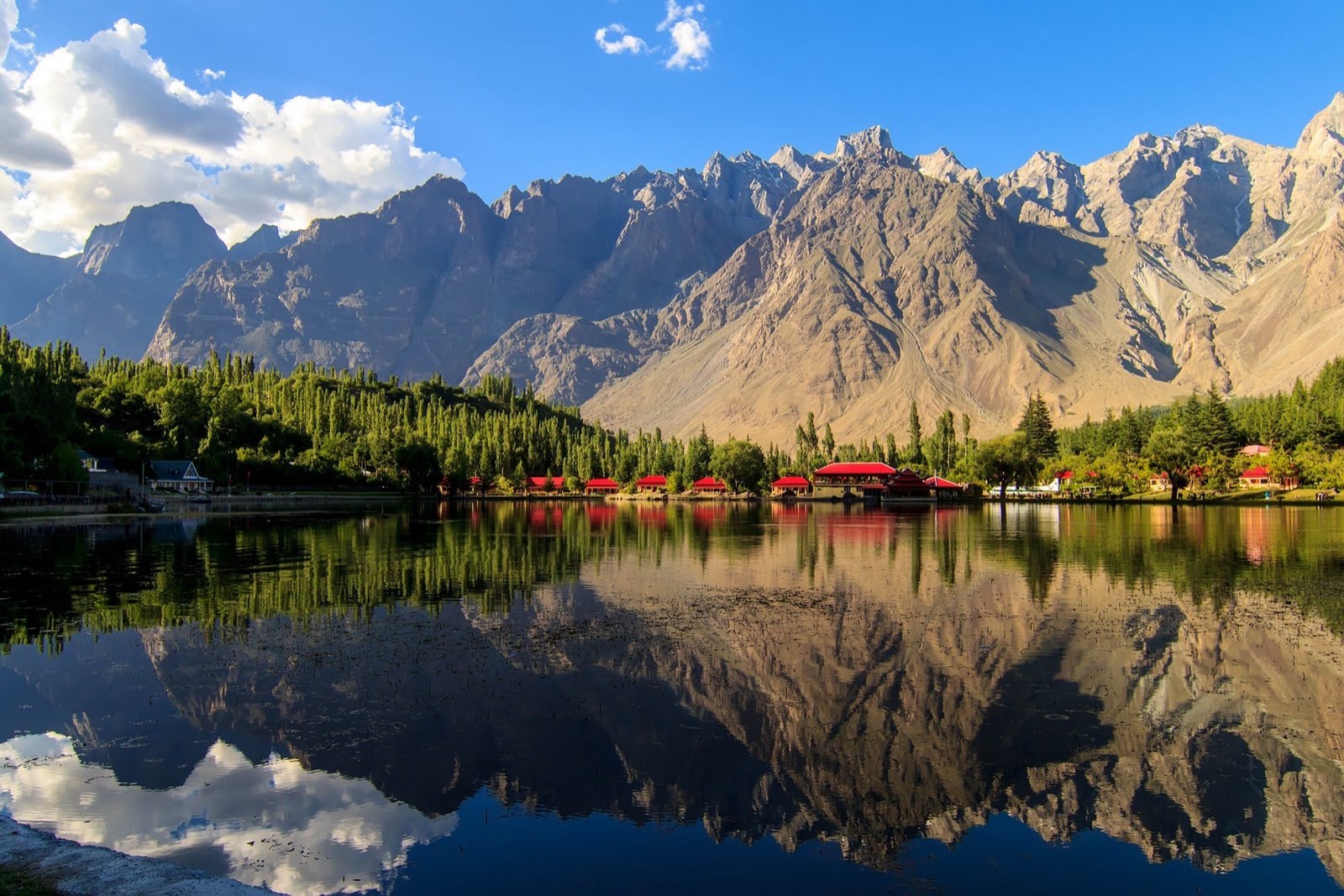
Hotel operating services, room heating and supplier availability can differ through the year. Compare the property and reservation, not a general category. A lakeside photograph does not show whether the desired room or facility operates during the chosen dates.
Current airline schedules and mountain weather determine an air approach. Seasonal road options such as Babusar need individual access checks. The return margin should be part of the plan in every season.
Use a flexible priority list: an essential interest, two worthwhile lower-area alternatives and the activities that can be omitted. That approach makes the holiday more robust while preserving its main purpose. Our destination guides explain the differences between valleys, towns and high-country settings.
January to March: winter scenery and the first seasonal transition
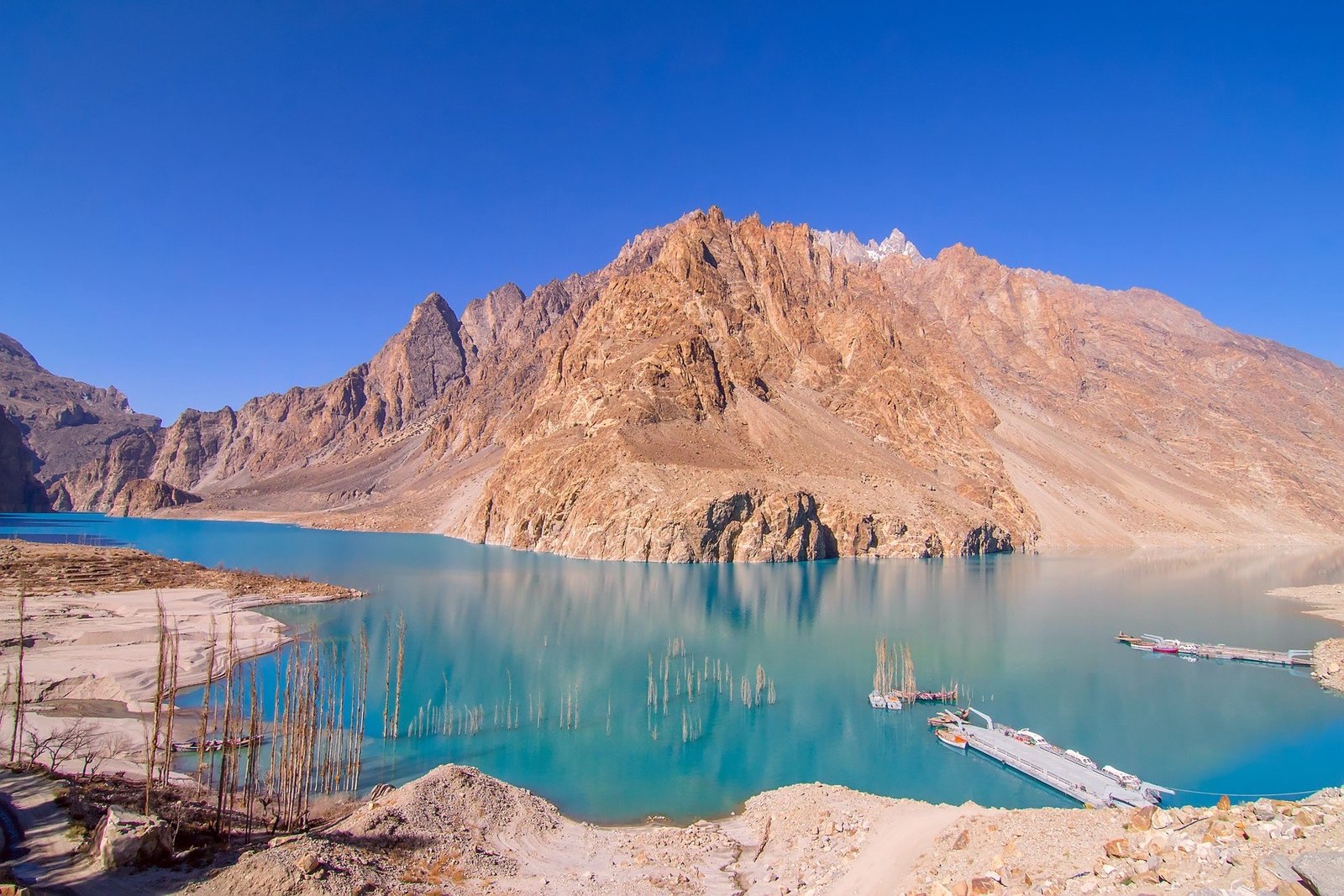
The early part of the year belongs to winter planning in much of the north. Lower settlements, mountain slopes and high roads can experience very different conditions on the same date. A programme should be designed around operating accommodation, heating, usable daylight and the local access available. A winter photograph of a lake does not establish an open route to a higher meadow.
As the season changes, lower village landscapes may begin to look different while upper areas remain wintry. The timing varies across elevations and years. For travellers interested in blossom, the useful question is which settlements are showing the seasonal change during the trip. Flexible valley visits are more sensible than a promise that one named day will be the blossom peak.
A heritage-and-town journey can have a different purpose from a higher outdoor trip. Selected fort visits, meals and suitable public village time may be the priorities where conditions allow. The daily order should reflect local information rather than a summer schedule with colder clothing added.
April to June: valley landscapes develop before every high route opens
Spring brings a changing orchard and cultivated landscape in areas such as Hunza. The appeal is in the relationship between flowers, terraces and surrounding peaks. Central and upper settlements do not change together, so a trip can show several stages of the season. Fort visits and village time create a worthwhile programme around that interest.
Moving towards the warmer months gives more scope for outdoor days, but the main valleys and higher objectives remain different. Deosai’s road opening, Fairy Meadows’ approach and a higher lake walk require their own date-specific checks. A mild day at the hotel base does not answer those questions.
Choose this period for the valley experience first. If a high-country objective is essential, discuss its current access before committing to the whole holiday. If it is optional, keep strong alternatives such as heritage, Kachura lakes or selected village visits. These are attractions in their own right rather than consolation stops.
July to September: choose the outdoor objective, then the support
Warmer-season dates can create a broader choice of meadow, plateau and walking interests. Fairy Meadows offers woodland and the Nanga Parbat landscape after its local track and walking approach. Rama brings a different meadow-and-lake outing through Astore. Deosai provides open highland scenery and a seasonal road programme. The places need different support despite appearing together in summer travel photographs.
Rain, snow conditions at elevation and changing mountain weather still influence the route. A full sightseeing circuit should not depend on every high objective remaining available. Nor should a dedicated walking trip conceal its trail requirements behind a generic summer label.
Give the main outdoor interest meaningful days and choose the overnight bases around it. A quieter hotel-based trip can remain centred on valleys, lakes and architecture, with higher outings discussed separately. The right summer itinerary is the one whose activities suit the party and current conditions.
October to December: colour changes, then a winter programme
Autumn’s attraction is often in the cultivated valleys: orchard trees, poplars and the changing foreground around settlements. Hunza, Shigar and Khaplu offer different combinations of foliage and heritage. Photographers can benefit from consecutive nights rather than one tightly timed stop. Colour and leaf fall depend on the year and elevation.
As the season moves towards winter, cooler nights, shorter daylight and higher access changes affect the shape of the journey. The trip should evolve with those conditions. A palace-and-village stay and a supported meadow camp do not share the same calendar requirements. Use the region and main experience to choose the dates, then review the route again before booking.
Useful questions, answered
Which month guarantees blossom?
None. Flowering varies with elevation and annual weather. Choose a suitable window and retain flexibility across valley areas.
Does summer guarantee Deosai access?
No. Snow clearance, road condition and the day’s weather still govern the visit.
Can I use the same itinerary in winter?
A winter programme should be designed separately for access, operating services, heating and daylight.
Turn the places you like into your own route
Send us your travel month, days in Pakistan and the places that caught your interest. Our local team can discuss the guides, transport, stays and activities for your party.
Sources and latest checks
Destination facts were checked against the sources below on 13 October 2026. Suggested routes are editorial examples. Opening arrangements, seasonal access, travel advice and hotel services can change.
FROM READING TO THE ROAD
Make it your journey.
Share your dates, the places you like and how you want to travel. Our local team will help shape the route.
Plan a private journey