The best things to do in Hunza combine central-valley heritage with the lake and villages of Upper Hunza. Baltit, Altit and Ganish give historical context; Attabad and Passu bring the familiar mountain scenery. This selection explains what each visit offers and how to group the places into sensible days.
Start with the experiences, then choose the stops
A useful Hunza shortlist covers more than viewpoints. Forts explain the valley’s royal history, settlements introduce architecture and community life, and lakes and mountain views provide the landscape contrast. The right balance depends on whether you enjoy guided heritage, photography, gentle walking or a more active day.
The list below is an editorial selection, not a popularity ranking. It groups attractions by the part of the valley they belong to. Some are road-accessible views, while others involve an uphill approach or an optional activity. Those distinctions make the list more useful than describing every place as a must-see.
For the wider commercial route, use our Hunza destination page. This article focuses on individual visits and the choices between them.
Ten visits with different reasons to go
Baltit Fort
Make Baltit the anchor of a Karimabad heritage morning. The climb through the town is part of the visit, so leave time for both the fort and the streets below. Its high position gives the architecture a clear defensive context. For travellers who enjoy historical interpretation, the interior visit is more useful than a quick photograph of the exterior. Combine it with bazaar time and a meal before continuing elsewhere. Visitors uncomfortable with uphill walking should discuss the approach in advance.
Good for: Heritage and architecture. Allow for: An uphill approach and steps.
Altit Fort and village
Altit works well as the second half of a central Hunza heritage day. The fort, village lanes and garden surroundings create a different setting from Baltit above Karimabad. Notice the timber and stone, then look at how the building sits over the river landscape. A local introduction helps connect the restored monument with the living village around it. This is a place for a slower visit, especially for travellers interested in settlement architecture as well as mountain scenery.
Good for: History and village streets. Allow for: Uneven surfaces and steps.
Ganish historical settlement
Choose Ganish when your interest extends beyond royal buildings. Its historical settlement spaces offer a closer look at communal life and architecture. Walk with an appropriate local introduction and respect the boundaries between visitor areas, religious spaces and homes. Ganish can fit a central Hunza day without adding a long road journey. The value lies in understanding a settlement, so one meaningful guided visit can be more rewarding than several extra viewpoint stops.
Good for: Settlement history. Allow for: A guided walk on village lanes.
Duikar and Eagle’s Nest viewpoint
Duikar gives central Hunza a broad panorama. It is especially useful for visitors who want to understand the valley’s layout from above. Light and cloud determine which peaks are visible, and a popular sunset visit may also be busy. A daytime view can still be worthwhile. Bring a layer for the change in temperature after daylight and keep the return arrangement practical. Select the visit for the whole landscape instead of depending on a particular colour in the sky.
Good for: Wide valley panoramas. Allow for: A hillside drive followed by walking.
Attabad Lake
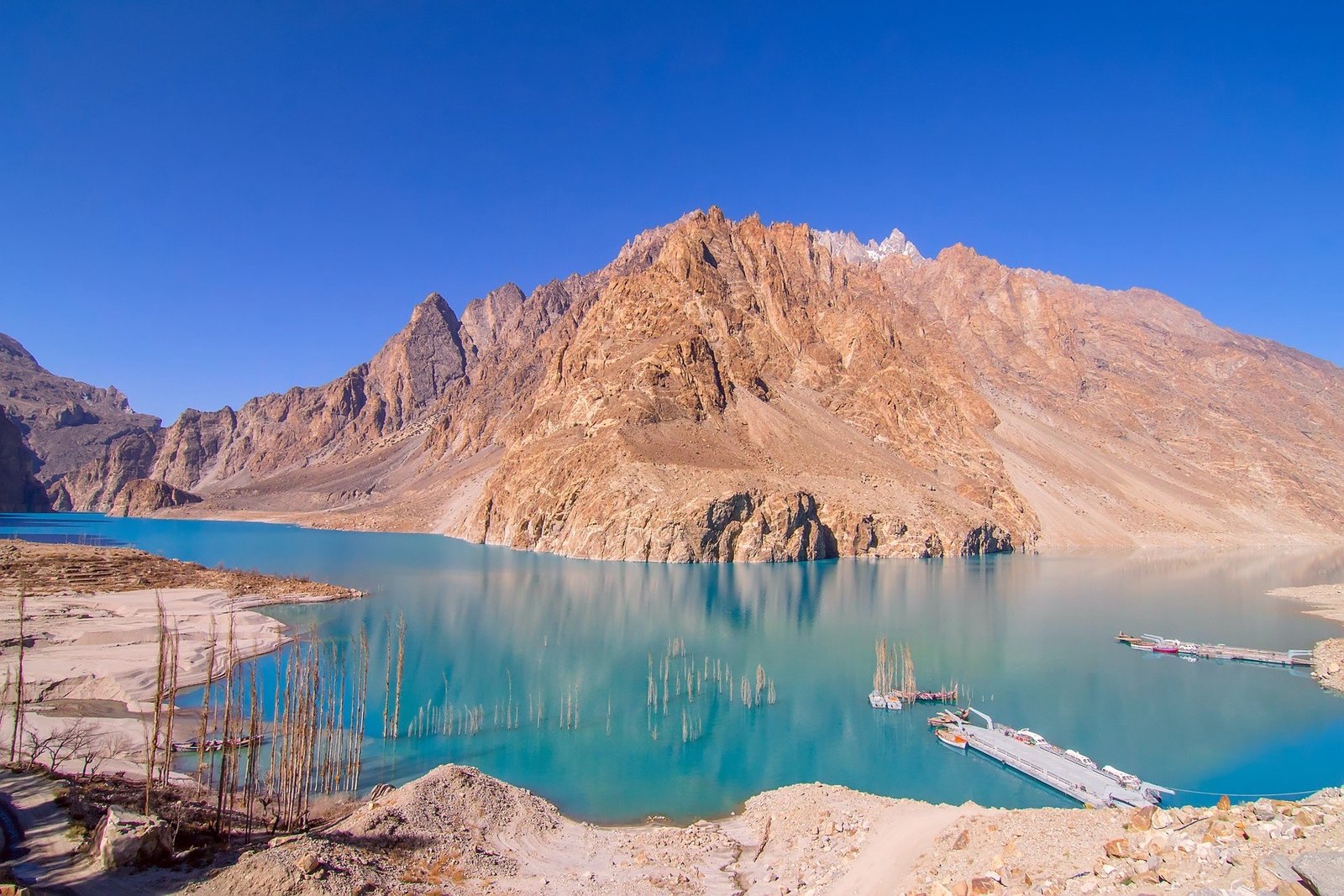
Attabad is the natural water stop on an Upper Hunza road day. Its 2010 landslide origin gives the lake a history that should accompany the familiar turquoise-water photograph. A viewpoint is enough for some visitors; an agreed boat excursion provides a different perspective. Families should check boarding and equipment with the operator. Continue towards Gulmit or Passu when the day’s programme permits, or stay beside the water for a more relaxed lake-focused experience.
Good for: Lake scenery and optional boating. Allow for: Road access; boat boarding varies.
Gulmit and Gojal villages
Gulmit is worth including when the Upper Hunza day needs more than scenery. Public village paths and local interpretation introduce the Wakhi setting of Gojal. A slower village stop breaks up the driving between Attabad and Passu and gives visitors a place to notice ordinary life. A local meal or craft visit can be discussed where a host is willing to provide it. There is no need to turn every cultural interest into a staged performance.
Good for: Village life and cultural context. Allow for: Village paths; variable surfaces.
Passu Cones
The cones around Passu give an Upper Hunza day its most recognisable mountain outline. You can enjoy the classic scene from suitable stops along the road, without committing to a trek. Change the foreground rather than chasing a closer peak view: the village, river and farmland create different compositions. An overnight gives another opportunity for favourable light. Keep photography away from the carriageway and ask before making people or private fields part of the image.
Good for: Mountain photography. Allow for: Roadside views and optional short walks.
Hussaini suspension bridge
Treat Hussaini as a bridge-and-village setting, with crossing optional. The familiar image of spaced boards and mountain water should not replace a current access assessment. For some visitors, viewing the bridge is the appropriate activity. A family member who prefers to remain on land can still enjoy the surrounding landscape. Avoid making an exposed crossing a compulsory group challenge. Current maintenance, official instructions and individual comfort determine what is suitable.
Good for: A distinctive bridge setting. Allow for: Exposed crossing; viewing is an alternative.
Borith Lake
Borith offers a smaller lake visit within an Upper Hunza stay. It can provide a change from the more developed activity setting at Attabad. The approach is a side excursion rather than part of the main through-road drive, so include it when the schedule leaves time to enjoy the place. A visitor who values a slower lake-and-village day may prefer Borith to adding another paid activity. Any onward trail needs its own local assessment.
Good for: A quieter lake excursion. Allow for: A side-road approach and optional walking.
Hoper Valley and glacier views
Hoper brings a close glacier-and-settlement landscape into a Nagar excursion. For sightseeing, choose an appropriate local viewpoint and time around the valley. Stepping onto the glacier is a different activity with changing terrain and specialist requirements. The bowl-shaped valley and working fields are valuable subjects in their own right. This is a useful alternative to a day spent entirely at central Hunza forts or Upper Hunza road viewpoints.
Good for: Valley and glacier landscapes. Allow for: Side-road travel; guided walking varies.
Group the central Hunza attractions into a heritage day
Baltit and the Karimabad streets belong naturally together. Altit adds a different village-and-fort setting later in the day. Ganish can deepen the settlement history for a visitor interested in architecture, but does not need to be included merely to reach a count.
Duikar is the panoramic addition when weather and daylight fit. A traveller keen on heritage may prefer a longer fort visit and a shorter viewpoint stop. A photographer may want more time with the changing light. Give meals and the walking approaches room in the day instead of promising the same fixed schedule to every party.
Give Upper Hunza its own day or overnight
Attabad, Gulmit and Passu form a logical onward sequence. Choose a lake viewpoint or separately arranged boat ride, a village visit and time with the cone landscape. Hussaini and Borith are optional choices rather than requirements.
An overnight in Upper Hunza allows another morning around the mountains and avoids immediately retracing the whole journey. On a shorter holiday, a selective day trip can still work well. The important decision is how much time remains at the destinations after the drive. Avoid combining every central and upper-valley attraction into a single checklist day.
Leave time between the headline attractions
Hunza’s public streets and village setting connect the better-known places. A meal in Karimabad, a look at crafts or dried fruit in the bazaar, or a suitable walk beside cultivated terraces can give the visit texture. Ask permission before entering residential or orchard areas. The valley is a lived-in landscape, and everyday time here can be as memorable as a viewpoint.
Useful questions, answered
Can I enjoy Hunza without long walks?
Yes. Roadside viewpoints, village time and selected visits can form a sightseeing trip. Fort approaches and individual paths still need a suitability check.
Which places are in Upper Hunza?
Attabad, Gulmit, Hussaini and Passu form part of the onward Gojal journey, separate from the Karimabad heritage focus.
Are all ten stops necessary?
No. Select the experiences that interest you. A shorter list with meaningful time is usually more useful than visiting everything briefly.
Turn the places you like into your own route
Send us your travel month, days in Pakistan and the places that caught your interest. Our local team can discuss the guides, transport, stays and activities for your party.
Sources and latest checks
Destination facts were checked against the sources below on 13 October 2026. Suggested routes are editorial examples. Opening arrangements, seasonal access, travel advice and hotel services can change.
Related guides: Hunza tour packages: how to choose the right length, route and inclusions · Skardu and Hunza private tour: a sample 10-day itinerary
FROM READING TO THE ROAD
Make it your journey.
Share your dates, the places you like and how you want to travel. Our local team will help shape the route.
Plan a private journey