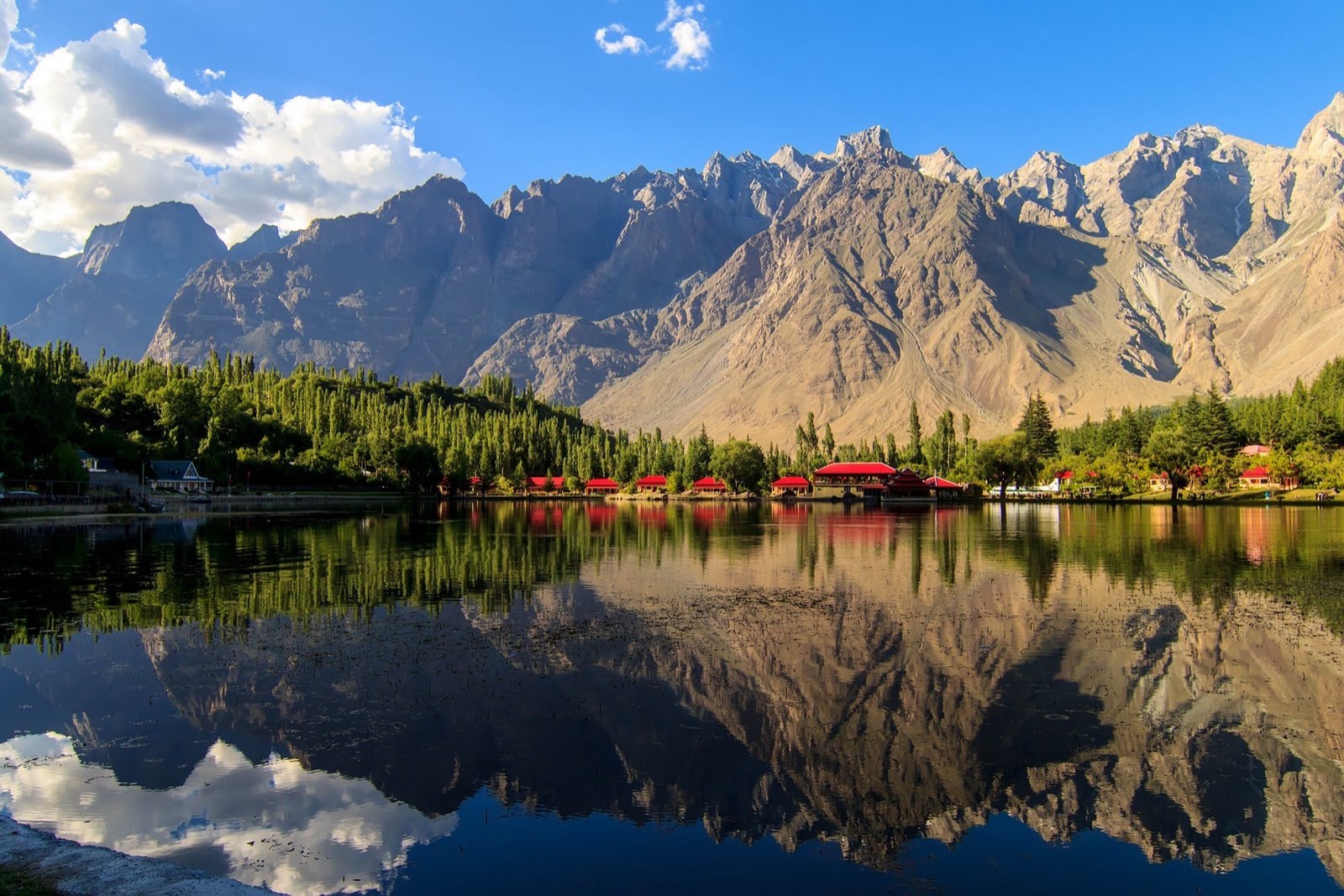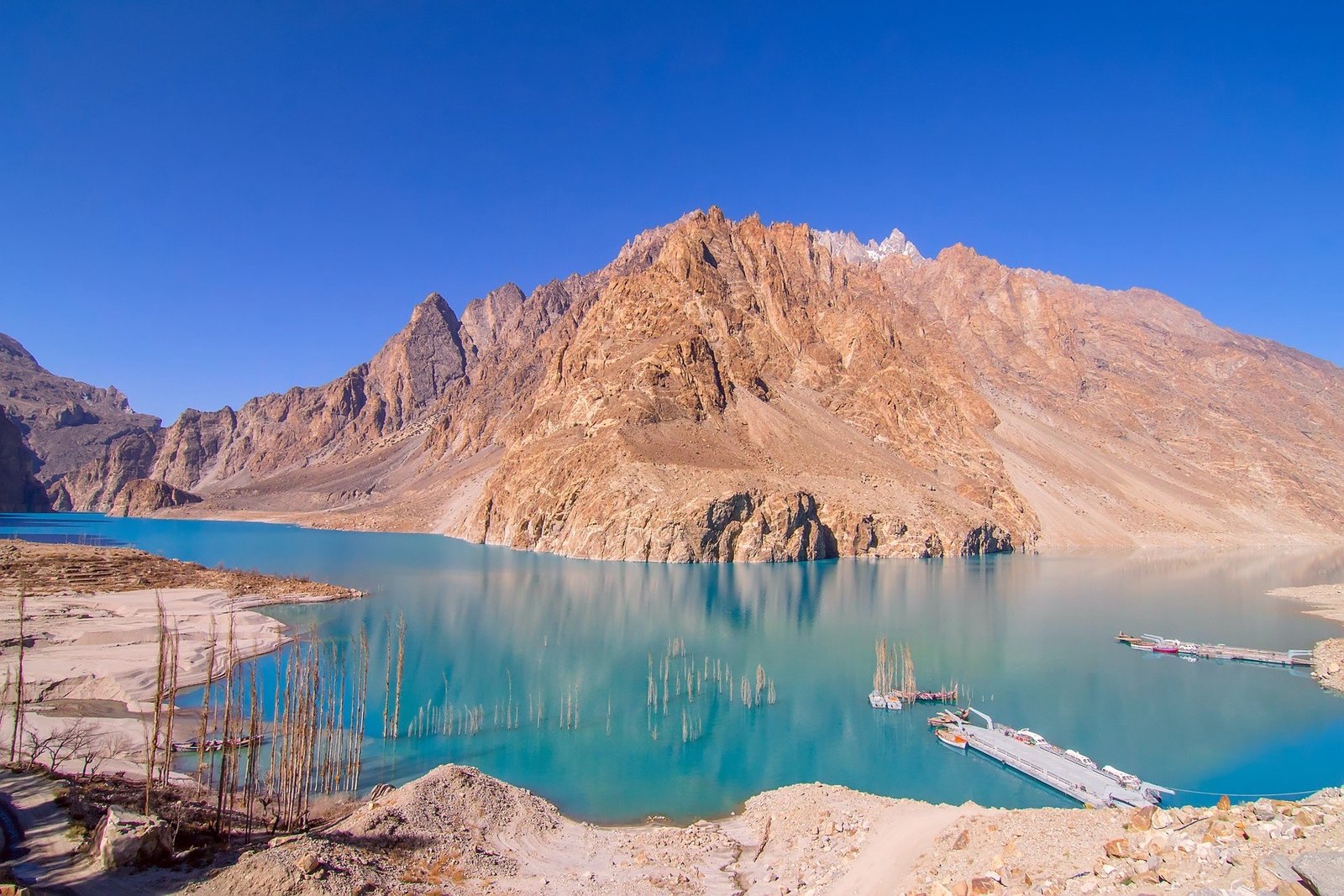
Northern Pakistan offers several different photographic subjects: Passu’s mountain outline, Attabad’s water, Baltistan’s dunes, restored heritage and meadow landscapes. A good photography trip leaves time at chosen bases and respects the people and places being photographed. Clear peaks and exact light cannot be guaranteed.
Choose subjects rather than collecting every location
A mountain outline, a lake reflection, a village scene and an architectural interior require different time and conditions. Decide which subjects matter most, then choose the region and bases that support them. A long driving circuit can leave little time for any one scene.
A private programme can discuss earlier starts, repeat viewpoints and time at a base when those services are agreed. It still operates within access rules, weather and the limits of the party. A photography label should describe the pace and support, not only add a camera icon to an ordinary itinerary.
Six different photographic settings
Passu Cones
The cones around Passu give an Upper Hunza day its most recognisable mountain outline. You can enjoy the classic scene from suitable stops along the road, without committing to a trek. Change the foreground rather than chasing a closer peak view: the village, river and farmland create different compositions. An overnight gives another opportunity for favourable light. Keep photography away from the carriageway and ask before making people or private fields part of the image.
Good for: Mountain photography. Allow for: Roadside views and optional short walks.
Attabad Lake
Attabad is the natural water stop on an Upper Hunza road day. Its 2010 landslide origin gives the lake a history that should accompany the familiar turquoise-water photograph. A viewpoint is enough for some visitors; an agreed boat excursion provides a different perspective. Families should check boarding and equipment with the operator. Continue towards Gulmit or Passu when the day’s programme permits, or stay beside the water for a more relaxed lake-focused experience.
Good for: Lake scenery and optional boating. Allow for: Road access; boat boarding varies.
Sarfaranga Cold Desert
Sarfaranga is the obvious Baltistan contrast for visitors who have already spent time beside a lake or at a fort. Its dunes sit in a mountain setting, giving the cold desert a distinctive scale. A short walk at a permitted location can be enough to appreciate it. Vehicle activities and events are separate experiences that affect price and access. Wind-blown sand matters for eyes and cameras, so a practical stop is better than a prolonged uncomfortable visit.
Good for: Dunes and mountain photography. Allow for: Sand walking; paid activities are separate.
Shigar Fort
Shigar Fort is a strong choice for a visitor interested in Balti architecture and restoration. The seventeenth-century building gives a valley visit a historical centre. Combine the heritage tour with the settlement and a selected landscape stop. Staying in the Serena-operated complex creates more time in the setting, but a hotel booking and day visitor access are different arrangements. The fort rewards interpretation rather than only an exterior photograph.
Good for: Restored Balti architecture. Allow for: Heritage-site walking and steps.
Khaplu Palace
Khaplu Palace gives an eastern Baltistan stay its architectural focus. The restored nineteenth-century residence combines timber, courtyards and garden space. A guided visit explains more than a view of the façade. An overnight in Khaplu allows the town and palace to be enjoyed without a same-day return to Skardu. Historic rooms and Garden House accommodation differ, so the particular reservation matters when the palace stay is part of the experience.
Good for: Palace heritage and gardens. Allow for: Steps and changes of level.
Fairy Meadows
Fairy Meadows is the choice for a traveller who wants an overnight meadow setting facing Nanga Parbat and is comfortable with its approach. The local track and uphill walking are substantial parts of the experience. Cabins and camps are simpler than town hotels. The view can be hidden by cloud, so value the forest and meadow time as well as the peak. This belongs in a focused mountain programme, rather than a casual extra stop on any road trip.
Good for: A meadow stay facing Nanga Parbat. Allow for: Mountain track plus uphill walking.
Bases and repeat opportunities matter more than a sunset promise
An Upper Hunza stay gives another chance at the Passu landscape without a same-day return to central Hunza. A lakeside base can support time around Attabad at more than one hour. A Shigar or Khaplu overnight brings heritage and village surroundings into the stay.
The useful promise is time and a suitable programme, not a guaranteed sky. Cloud may hide a mountain, wind may alter water and a religious or heritage site may have photography restrictions. A flexible day can change subject rather than chase a missed image at any cost.
Choose a mix of landscape and heritage interests. A fort interpretation or village setting can give a cloudy day meaning, while a clear morning can support the wider panorama. Repeat visits should be agreed where practical instead of assumed from a general private-tour description.
Portraits and cultural scenes begin with consent
Ask before photographing people and accept refusal without pressure. A guide can help make an introduction, but consent still belongs to the person. Payment for a tour does not grant access to households or ceremonies.
Be especially careful around children and religious spaces. Permission for one portrait does not cover every member of a group or every stage of an event. Avoid making residents act out a scene simply because it matches an image from a brochure.
Public village paths can be visited respectfully without turning working farmland into an unrestricted studio. Stay off private areas and avoid damaging irrigation or crops. A good image should not come at the expense of the person or place that makes it possible.
Architecture, wildlife and protected areas
Follow the photography rules of forts, palace hotels and religious buildings. A day heritage visit may not include every guest area. Interior light and access differ from exterior viewpoints, so the programme should allow the visit rather than promise unlimited shooting.
In Deosai, wildlife should remain distant and undisturbed. Do not feed animals or ask a driver to leave permitted routes for a closer photograph. The landscape and habitat are worthwhile subjects without a bear encounter.
Meadow and lake environments also need care. Use agreed paths and camp areas, carry out waste and avoid damaging plants for a foreground. A larger composition often tells more about a protected place than a close image made through disturbance.
Equipment, carrying and permissions
Choose equipment for how you will travel. A road-based trip allows a different load from an uphill meadow approach. Protect cameras from rain and from wind-blown sand in dune settings. Discuss luggage handling before committing to a larger kit on a walking stage.
Check power at the lodge or camp and keep airline battery rules in mind. A town hotel and a remote overnight can have very different charging arrangements. Offline documents and local contacts are useful alongside camera preparation.
Drone use needs current aviation, local-site and regional checks. A device being legal to own does not establish permission to fly at a protected area, heritage site or border-related route. Keep drone shooting conditional until the requirements are confirmed.
Look for a foreground that tells you where you are
At Passu, a suitable village or field foreground connects the cones to the inhabited valley. Around Khaplu, architecture and cultivated terraces can show the relationship between town and landscape. At Deosai, a permitted stream or lake viewpoint helps communicate the openness of the plateau.
These choices produce different pictures even when the main mountain remains the same. Spend time observing the scene before moving to another stop. A cloudy period can favour timber details, streets or woodland instead of an uninterrupted skyline.
Keep the photograph within appropriate access. Orchards, homes and religious buildings are not automatically public shooting locations. The most useful travel image is one you can make respectfully while understanding the place.
Useful questions, answered
Can you guarantee sunrise over a clear peak?
No. The programme can provide time and an appropriate base, while cloud and weather determine the view.
Do I need permission for portraits?
Yes. Ask the individual and respect the boundaries of private, religious and ceremonial spaces.
Is drone photography automatically included?
No. Current permissions and site rules need to be established separately.
Turn the places you like into your own route
Send us your travel month, days in Pakistan and the places that caught your interest. Our local team can discuss the guides, transport, stays and activities for your party.
Sources and latest checks
Destination facts were checked against the sources below on 13 October 2026. Suggested routes are editorial examples. Opening arrangements, seasonal access, travel advice and hotel services can change.
FROM READING TO THE ROAD
Make it your journey.
Share your dates, the places you like and how you want to travel. Our local team will help shape the route.
Plan a private journey