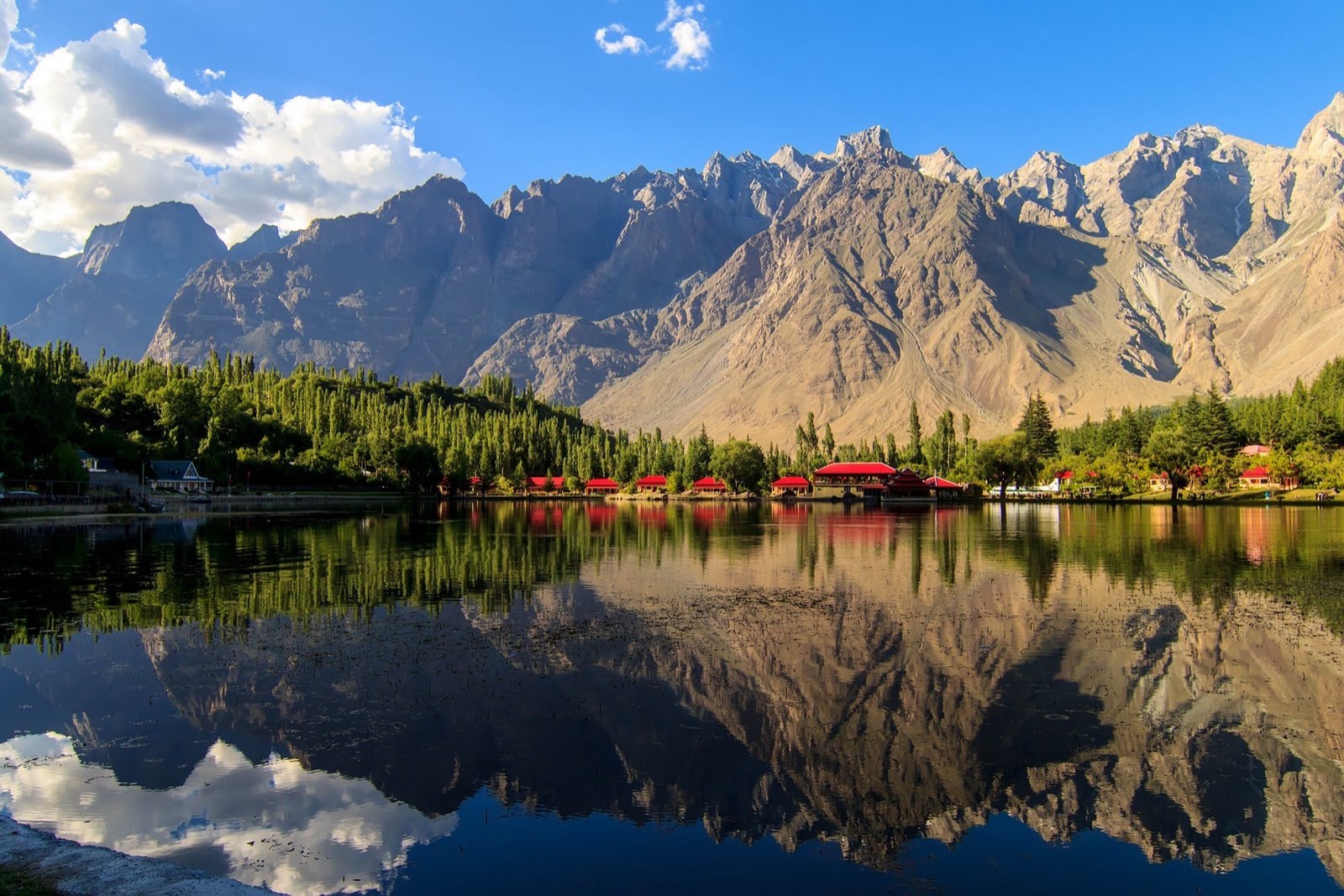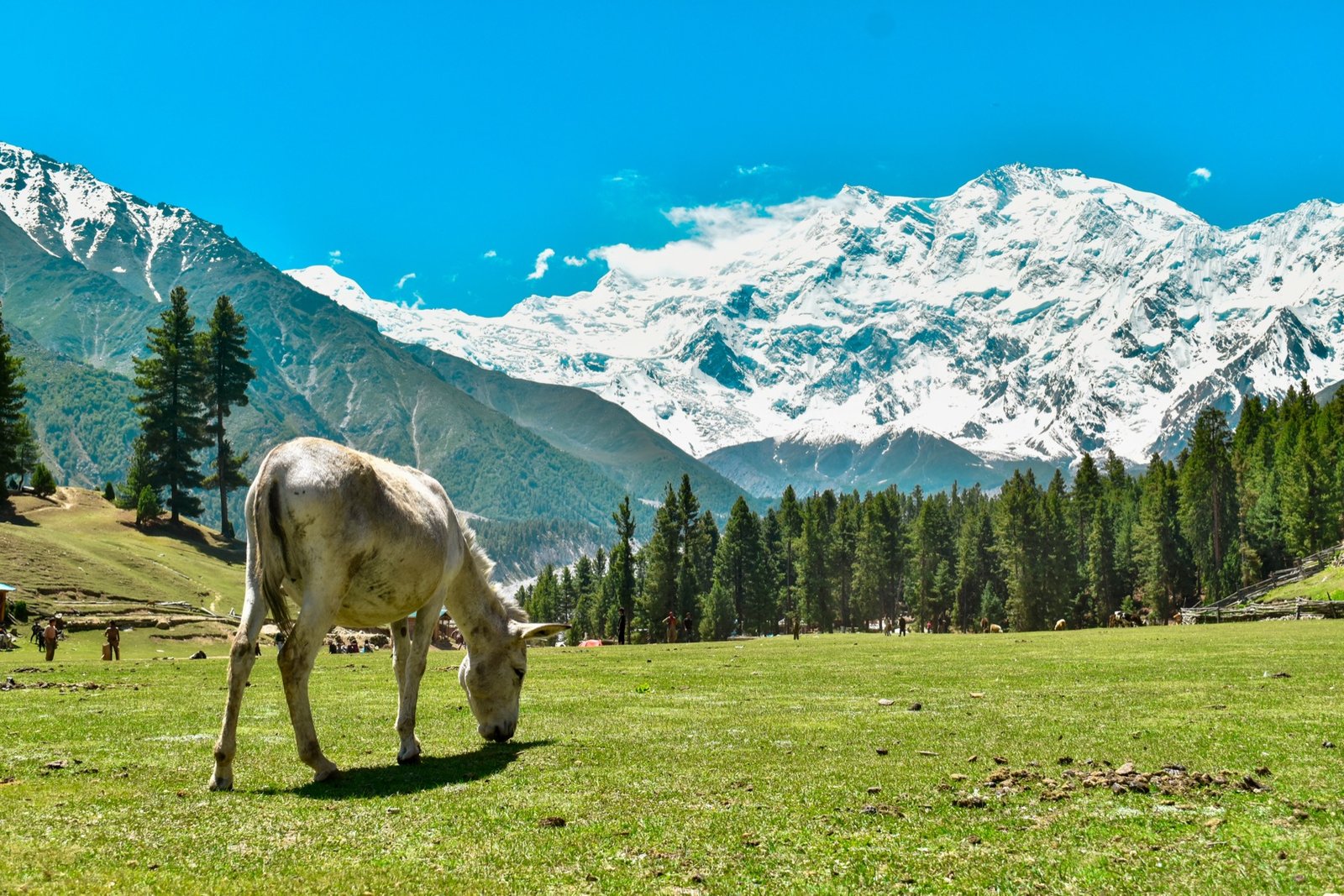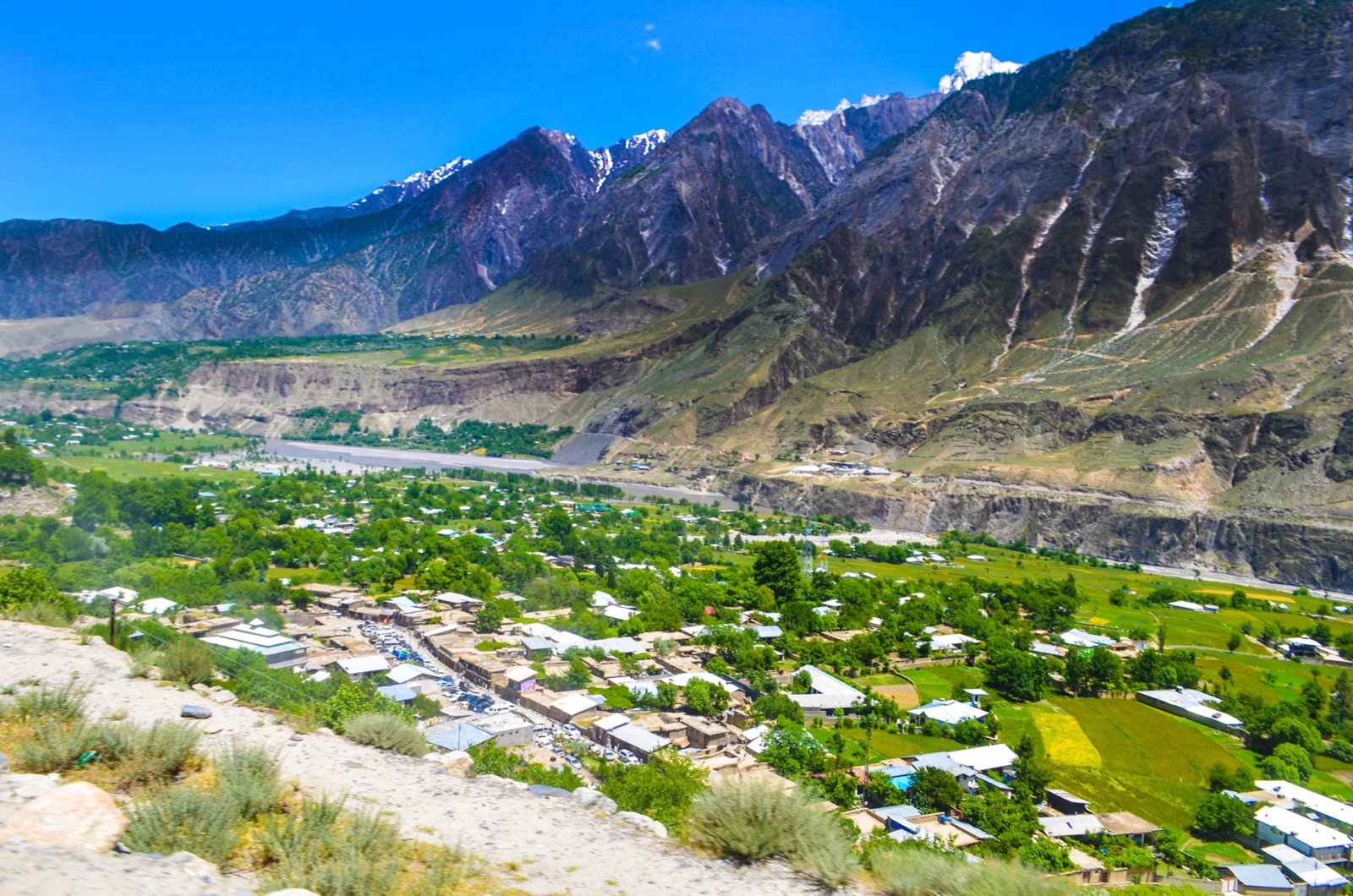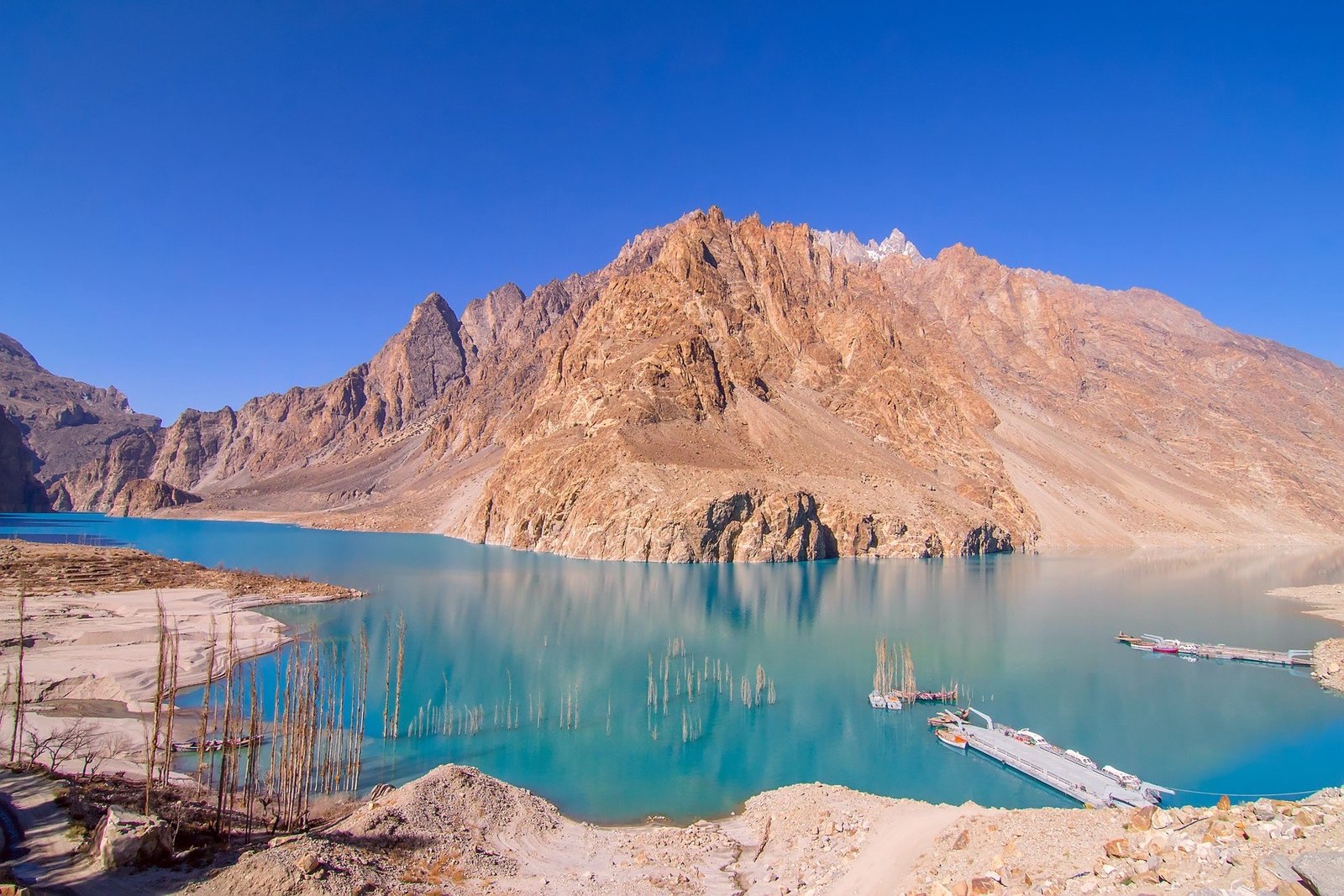
Passu is an Upper Hunza village beneath the distinctive Passu Cones. The classic mountain outline is visible from the road, while village walks, nearby lakes and carefully planned glacier viewpoints give the stay more depth. The surrounding Gojal area adds a Wakhi cultural setting to a wider Hunza journey.
Attabad Lake → Gulmit → Hussaini → Passu → Borith option
A route framework; the programme is agreed for your dates.
Passu and the geography of Gojal
Upper Hunza, also called Gojal, extends along the Karakoram Highway beyond the central valley and Attabad Lake. Gulmit, Hussaini and Passu are different settlements in this corridor. A route that labels them all simply Hunza misses the changes in village setting and mountain landscape.
Passu’s cones form a recognisable skyline around the village. Glacier scenery is also associated with this part of the Karakoram, but a distant ice view and a glacier walk are different activities. A sightseeing stay can be rewarding without stepping onto a glacier or undertaking a long trek.
Main attractions and what to see
Mountain photography
Passu Cones
The Passu Cones are the sharp, serrated peaks above Passu in Upper Hunza, also known as Cathedral Ridge. Their recognisable outline can be seen from the Karakoram Highway; a long trek is not needed for the classic view. The composition changes with the foreground: river stones, farmland and village paths give quite different photographs. An overnight stop allows another chance at clear light the next morning. The village around the landmark is a Wakhi community with homes and agricultural land, not an open photography set.
Visit style: Roadside views and optional short walks.
Village life and cultural context
Gulmit and Gojal villages
Gulmit is an Upper Hunza village in the Gojal area. It gives a journey between Attabad and Passu a human scale, with settlement streets, cultivated land and the surrounding mountain slopes. A village walk is a useful change from stopping only at roadside viewpoints. Wakhi language and culture distinguish this part of Hunza from central valley communities. Shops, meals and local interpretation can bring that difference into a visit without turning residents into an attraction. Keep to public paths and ask before photographing people.
Visit style: Village paths; variable surfaces.
A distinctive bridge setting
Hussaini suspension bridge
Hussaini’s suspension bridge is a well-known Upper Hunza landmark near the road between Gulmit and Passu. Its appearance is dramatic, but a photograph does not establish that the crossing is suitable for a particular visitor. A viewpoint visit can be worthwhile without stepping onto the bridge. Current access, maintenance and the judgement of local authorities take precedence over an online itinerary. Families and travellers uncomfortable with exposure can include the surrounding village and mountain views while omitting the crossing.
Visit style: Exposed crossing; viewing is an alternative.
A quieter lake excursion
Borith Lake
Borith Lake, also written Borit, offers a smaller lake setting away from the main highway corridor near Hussaini. It is a useful contrast to the size and activity of Attabad: the attraction is the surrounding settlement and mountain landscape as much as the water. The last approach and any onward walking should be considered separately from the main road journey. Pair the lake with an Upper Hunza stay when there is time to linger, rather than squeezing it between every other village stop.
Visit style: A side-road approach and optional walking.
A village stay rather than only a roadside photo
An overnight in Upper Hunza gives the trip another rhythm. You can see the mountain outline in different light, spend time around public village paths and avoid returning immediately to central Hunza. The extra night is most useful when it creates time at the destination, rather than only moving the same number of stops into a longer timetable.
Wakhi communities give Gojal its own cultural context. Village interpretation, local businesses and a meal can add to the visit where the hosts wish to provide them. Homes and farmland remain private. Ask before making portraits and avoid treating a person working in a field as part of a landscape composition.
For a shorter holiday, one focused day from the central valley can still introduce the area. Prioritise the cone landscape and one village setting instead of attempting every side excursion.
Glacier viewpoints and longer walking objectives
Passu and Batura glacier landscapes are associated with the wider area. Choose an viewpoint or path with a local guide who understands the current terrain. Ice margins, moraine and access can change. A route described as a short glacier walk online does not establish that it is straightforward or suitable on the day.
A longer Batura-area walk, a remote valley extension and a simple village stroll require different equipment and support. Give a walking interest dedicated time rather than adding it at the end of a long road day. Recent experience and the party’s comfort with exposure help determine the appropriate objective.
The famous cone view needs no glacier crossing. Travellers who prefer a gentler visit can stay with road and village viewpoints and still enjoy the central landscape.
Where to sleep and when to come
A Passu-area guesthouse or lodge puts the mountain setting near the overnight base. A Gulmit or Attabad stay changes the starting point for the day but remains an Upper Hunza option. Central Karimabad accommodation is better connected with the fort visits, with a separate drive into this area.
Use the room and facility details to choose between stays. Heating, bedding, meal availability and connectivity matter more in a quieter village location than an image of mountains from a terrace. Accommodation names and operating dates should be confirmed for the booking.
Warmer-season visits give more scope for walking, while autumn is appealing for valley colour and mountain photography. Winter has its own landscape and service limitations. Weather governs clear views in every month, so avoid a trip that depends entirely on one sunset.
Connecting Passu with a wider trip
Passu fits naturally after Attabad and Gulmit on a Hunza route. A longer stay can include Borith when the approach is suitable. The high border direction beyond the main village area requires separate checks of access, eligibility and government advice. It should not be an automatic addition just because the highway continues north.
If the larger journey also includes Baltistan, preserve enough days for both regions and the travel between them. A night in Upper Hunza can deepen the experience, but it is not a way to shorten the interregional road journey. Use the Hunza and Skardu comparison to decide whether two regions suit the time available.
How the village gives scale to the peaks
Passu’s appeal is the relationship between the inhabited valley and the cone landscape above it. A house, field or stretch of road in the foreground makes the peaks feel different from an isolated telephoto image. Suitable public paths can reveal that relationship more closely, with irrigation and cultivation showing how the village works within its setting.
The mountain outline changes as you move along the highway. A stop before the village, a view near the settlement and another farther along the road can produce different compositions. Select a few appropriate places and spend time at them. Pulling over repeatedly at unsuitable road edges adds little to the visit and can interrupt local traffic.
Weather affects which parts of the scene are visible. The lower cone shapes, village details and valley can still hold interest when higher slopes disappear into cloud. An Upper Hunza overnight provides more opportunities around the landscape, especially if photography is a priority. The photography article explains how foreground and light change the northern views.
Passu, Gulmit and the wider Gojal setting
Passu sits within the onward Upper Hunza landscape rather than forming a separate region reached from Skardu. Gulmit, lake scenery and selected local viewpoints can be connected through the same valley journey. Wakhi community heritage is part of Gojal’s cultural setting, and a local guide can give the village day context beyond the peaks.
A relaxed sightseeing visit does not need to become a glacier outing. Travellers can enjoy the roads, appropriate public paths and mountain views, while a dedicated walker can discuss a separate route and support. The distinction helps mixed parties enjoy the same base without assuming everyone wants the same activity.
Combine the Attabad Lake visit with Passu when the overnight sequence suits. Add central Hunza fort time as another part of the holiday, with its own day rather than a late stop on the way back from every upper-valley excursion.
Useful questions, answered
Where is the classic Passu Cones view?
The peaks are visible from the highway around Passu in Upper Hunza. Suitable local stops and village viewpoints provide different foregrounds.
Do I have to cross Hussaini bridge?
No. A visit can focus on the surrounding views. Any crossing depends on current access and individual suitability.
Can Passu be visited without a trek?
Yes. Roadside scenery and appropriate village walks can form a sightseeing visit. Glacier and longer trekking objectives are separate.
Explore Passu & Upper Hunza with a local plan
Send your dates, party and main interests. We can discuss a complete route or the transport, guide and stays needed for this part of the north.
Sources and latest checks
Destination facts were checked against the sources below on 13 October 2026. Suggested routes are editorial examples. Opening arrangements, seasonal access, travel advice and hotel services can change.
FROM READING TO THE ROAD
Make it your journey.
Share your dates, the places you like and how you want to travel. Our local team will help shape the route.
Plan a private journey