Shigar Valley combines a restored Balti fort, village scenery and the nearby Sarfaranga dunes. It works as a focused day from Skardu or a heritage stay within a wider Baltistan circuit. The valley is also associated with expedition approaches, but a sightseeing visit does not include a K2 trek.
Skardu → Sarfaranga → Shigar Fort → Valley visits
A route framework; the programme is agreed for your dates.
The valley beyond the fort
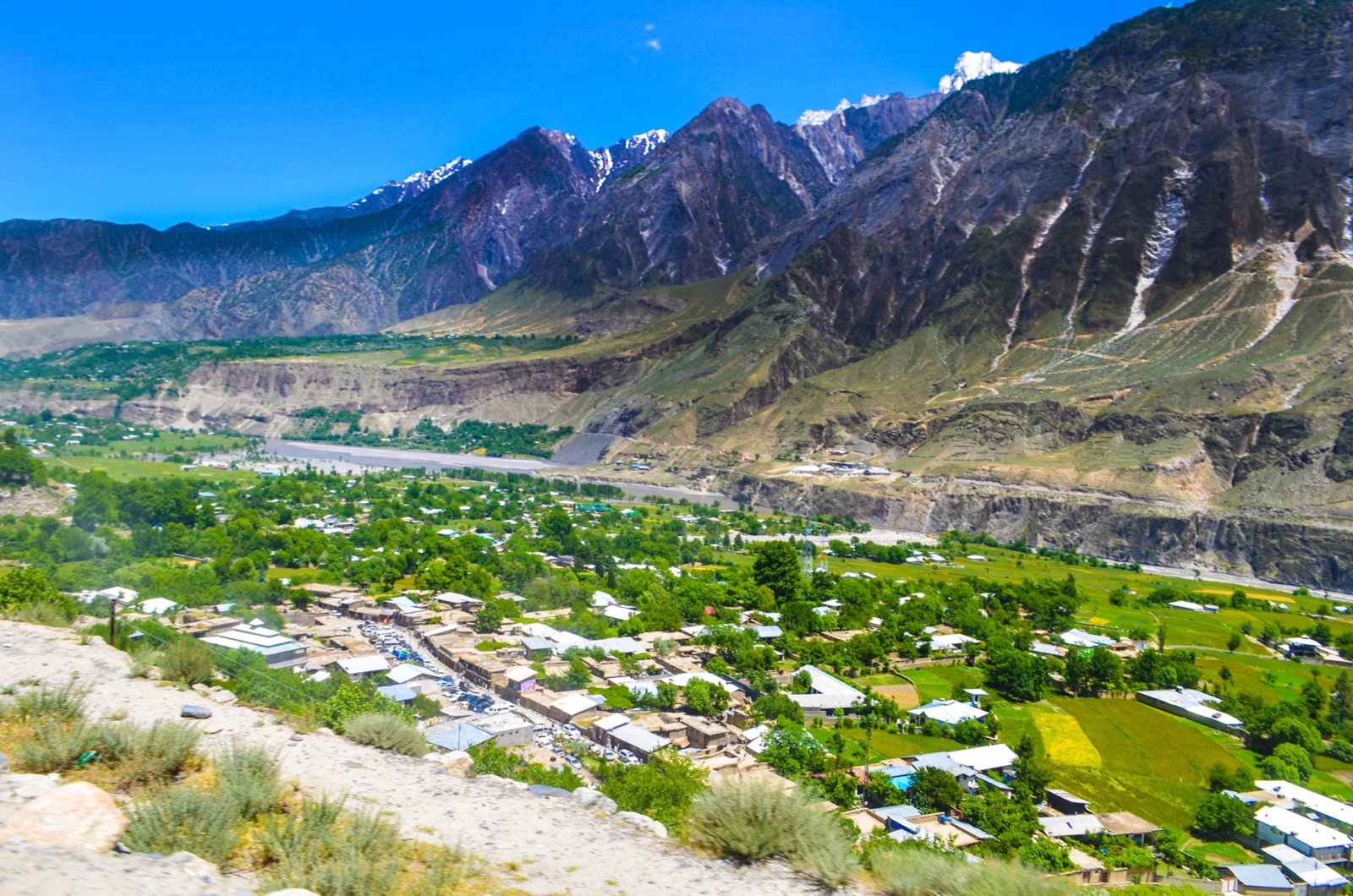
Shigar is a cultivated valley setting in Baltistan. The fort gives a visit a natural centre, while public settlement paths, fields and the surrounding mountain landscape show the wider context. A day that combines heritage with selected scenery feels more complete than travelling only to photograph the building’s exterior.
The route from Skardu connects the visit with the river and desert landscape. An overnight adds a slower pace around the settlement and a different base for the next day. It also changes the hotel choice from a town stay to a valley stay.
Main attractions and what to see
Restored Balti architecture
Shigar Fort
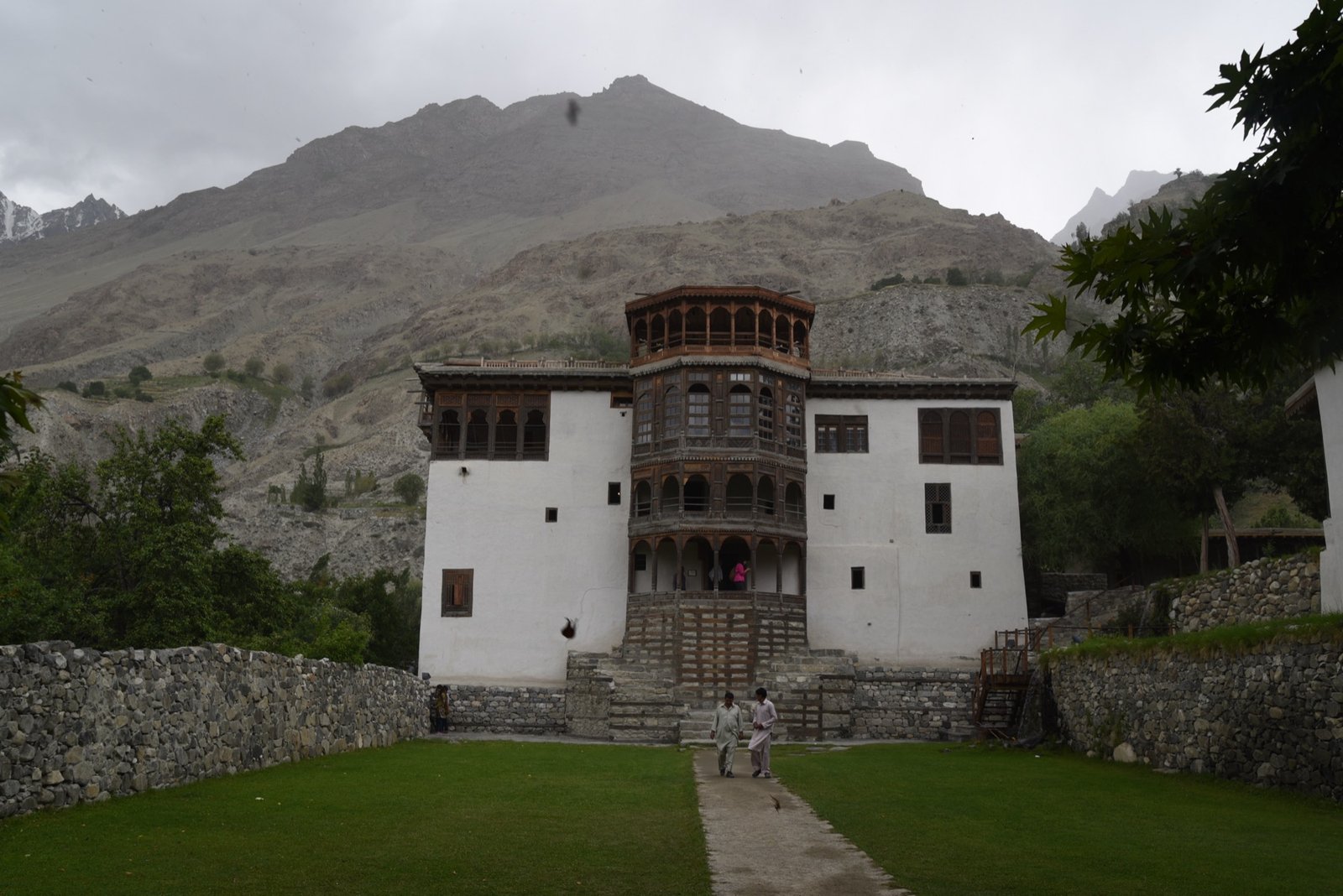
Shigar Fort, known as Fong Khar or Palace on the Rock, is a restored seventeenth-century fort and former royal residence in Shigar Valley. The complex combines a heritage visit with accommodation operated by Serena. Stone, timber and the building’s relationship with the valley reward a slower look. Entry to the heritage attraction, a meal and a hotel room are different services. A visit from Skardu fits a wider Shigar day; an overnight stay gives more time in the surrounding settlement.
Visit style: Heritage-site walking and steps.
Religious architecture
Amburiq Mosque
Amburiq Mosque adds an important religious and architectural stop to a Shigar visit. Its timber craftsmanship and conservation history broaden the day beyond the royal residence. It remains a place of religious significance, so access and visitor behaviour should follow local guidance. A guide can explain the setting and how to visit respectfully without interrupting worship. Combine the mosque with a settlement walk and the fort rather than treating it as a photograph taken through a vehicle window.
Visit style: Visitor access follows local arrangements.
Dunes and mountain photography
Sarfaranga Cold Desert
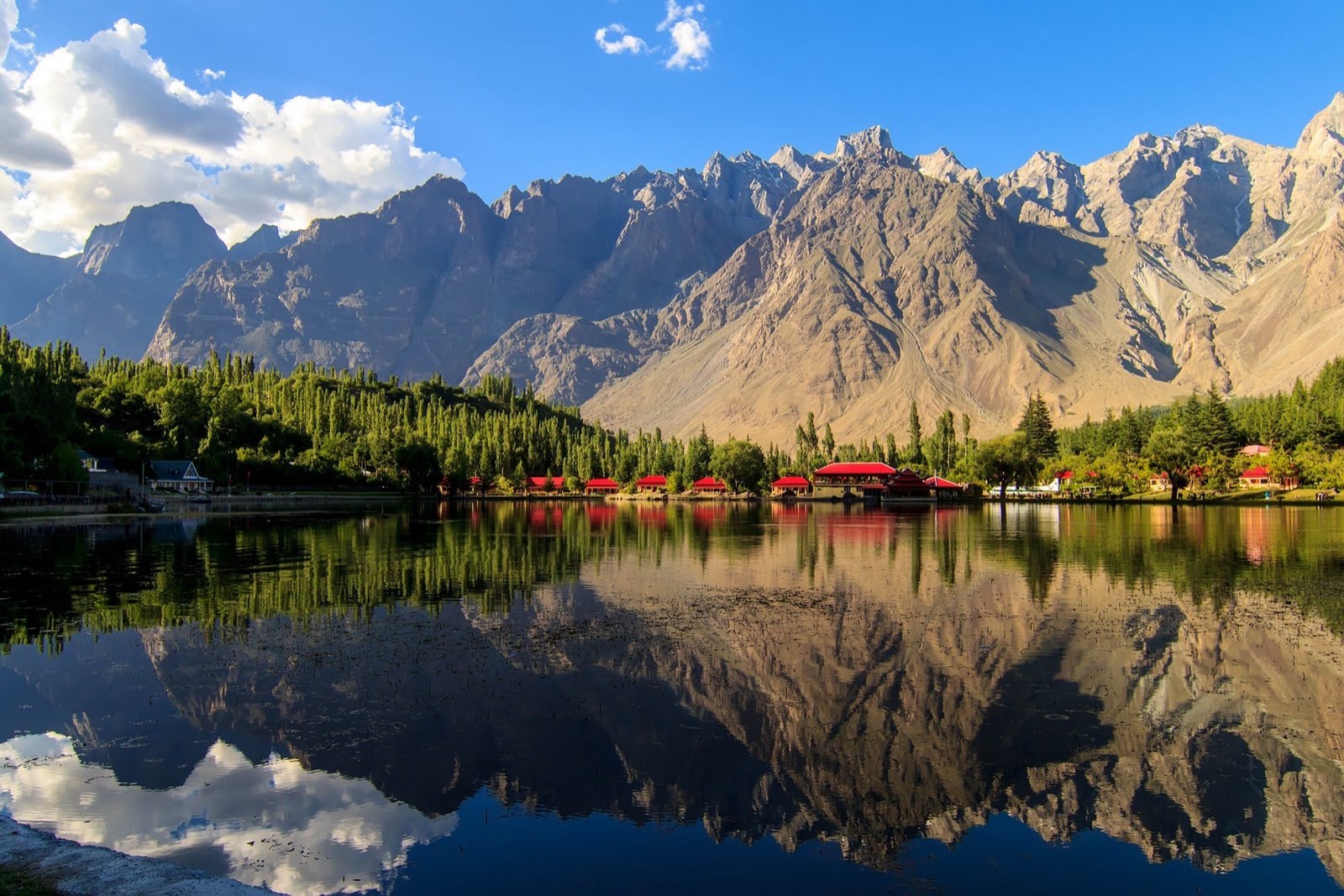
Sarfaranga’s sand dunes sit within Baltistan’s mountain setting near the approach to Shigar. The combination of sand, river landscape and peaks explains why the cold desert attracts photographers. Walking at a suitable permitted spot gives a different experience from paid vehicle activities. Wind can blow sand into eyes and equipment, and the surface can be tiring in soft footwear. The landscape is worth seeing without adding an ATV ride. Local events can change access and the character of a visit.
Visit style: Sand walking; paid activities are separate.
A lake stop in a Shigar day
Blind Lake / Zharba Tso
Blind Lake, also called Zharba Tso, is a freshwater lake associated with the Shigar area. It adds water and cultivated valley scenery to a day that may otherwise focus on the fort and desert. The value is the change of setting: mountains, fields and the lake edge encourage a slower visit. The approach and local permissions should fit the excursion. Carry out picnic waste and avoid entering fields or private land to improve a photograph.
Visit style: Local road and walking access.
Fort visit, hotel stay and a meal are separate choices
The restored Shigar Fort complex includes heritage accommodation operated by Serena. A visitor may choose an appropriate heritage visit without staying overnight. A room reservation provides accommodation; it should not be confused with the opening arrangements for every heritage area.
The official hotel information distinguishes Palace and Garden House accommodation. Those categories are useful when balancing historic character with room layout and comfort needs. A room in a heritage building may differ from the modern addition even at the same property.
For a day visit, interior interpretation gives the fort more meaning than an outside photograph. A meal at the property is a separate service that should be agreed where available. Take time to notice stone, timber and the relationship between the building and its setting.
A varied Shigar day from Skardu
One possible day combines the fort and an appropriate settlement or mosque visit, followed by a selected landscape stop. Sarfaranga gives the day a sand-and-mountain contrast, while Blind Lake adds a water setting. Choose the combination for daylight, current access and the party’s preferred pace.
Avoid adding every place simply because it appears near Shigar on a map. A more detailed fort visit and a short valley walk may suit a heritage interest better than several paid activities in the dunes. Families can keep the programme flexible with less walking and time for meals.
An overnight can make the day more relaxed and reduce the pressure to finish every visit before returning to Skardu. It is particularly useful on a larger circuit that continues through Baltistan rather than repeating the same town base every night.
Hotels to consider by setting
This is an editorial shortlist by location and type of stay. It is not a star ranking or a claim that the hotels are our partners. Room availability, rates and facilities must be checked for your dates.
Shigar Valley, Baltistan
Serena Shigar Fort
A heritage hotel within the restored Shigar fort complex. The official hotel page distinguishes historic Palace rooms from Garden House accommodation. That difference is useful when choosing between architectural character, room layout and a particular outlook. It suits a Shigar stay centred on heritage rather than a city-hotel experience.
Consider for: Balti heritage and time in Shigar. Official property information ↗
Seasons, village etiquette and the expedition distinction
Warmer valley seasons offer a wider choice of outdoor visits; spring and autumn alter the orchards and trees. A winter heritage stay needs current room, heating and access information. The operating conditions of a hotel and a remote trek should be checked independently.
Amburiq Mosque and other religious spaces need respectful dress and local visitor guidance. Public village lanes may sit next to private homes and working fields. A local guide can help identify appropriate access and explain architectural details.
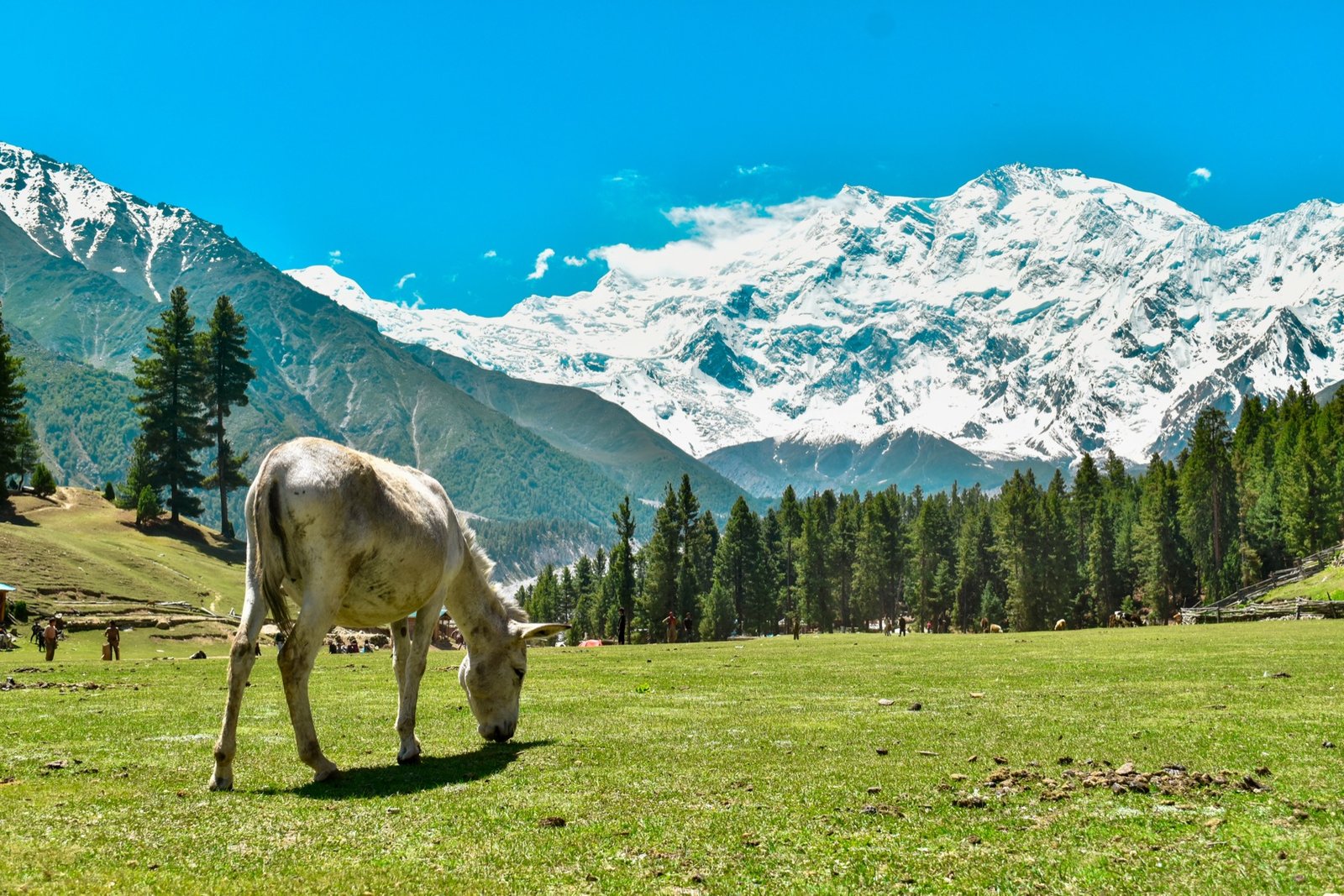
The wider Shigar and Braldo direction is associated with approaches towards the Baltoro Glacier and K2. That geography does not mean the mountain is visible on an ordinary Shigar excursion. Trekking into remote high country involves different time, permits, staff and equipment. A valley holiday should be presented for its own heritage and landscape value.
What the restored fort adds to a valley visit
Shigar Fort is known as Fong Khar, or Palace on the Rock. Stone and timber, changing levels and the setting of the building explain the name’s appeal. A guided visit can develop the history of the former royal residence, while time outside connects it with the cultivated valley. The property’s present heritage use is part of the story of conservation.
The wider conservation work in Shigar also involved historic mosques and settlement improvements. Amburiq’s timber craftsmanship offers another architectural interest, with access and interpretation arranged locally. Looking at more than the royal building gives the day a broader picture of the community and the built heritage.
For a heritage traveller, staying in the valley can be particularly useful. There is time to enjoy the building, surrounding streets and morning landscape instead of using the evening for a return drive. The accommodation request should distinguish a historic Palace room from Garden House accommodation. A room booking and a heritage visit have separate arrangements.
Sand, water and cultivation in one valley programme
Sarfaranga introduces sand dunes against a mountain backdrop. Shigar’s cultivated areas then change the foreground to fields and settlement. A permitted lake outing such as Blind Lake adds another water landscape where its approach fits. The contrast gives a Shigar day variety even when the fort is its main purpose.
Choose a few places with enough time to see them. A dunes visit can focus on walking and photography rather than a paid vehicle activity. A village walk can develop architectural details and the relationship between buildings and fields. Local permissions and the day’s conditions govern the specific stops.
The forts article places Shigar beside Hunza and Khaplu’s heritage, while the Skardu guide explains the gateway and lake areas. These connections can help decide whether Shigar is a full day, a heritage overnight or a longer valley stay within your Baltistan journey.
Useful questions, answered
Can I visit Shigar Fort without staying at the hotel?
A heritage visit can be arranged under the site’s current visitor rules. Entry, meals and room reservations are separate services.
Does a Shigar sightseeing visit include K2?
No. K2 and the Baltoro approach are specialist trekking or expedition objectives.
Is Shigar only a quick stop?
It can be a day visit, but an overnight gives more time for heritage, village context and the valley setting.
Explore Shigar Valley with a local plan
Send your dates, party and main interests. We can discuss a complete route or the transport, guide and stays needed for this part of the north.
Sources and latest checks
Destination facts were checked against the sources below on 13 October 2026. Suggested routes are editorial examples. Opening arrangements, seasonal access, travel advice and hotel services can change.
FROM READING TO THE ROAD
Make it your journey.
Share your dates, the places you like and how you want to travel. Our local team will help shape the route.
Plan a private journey