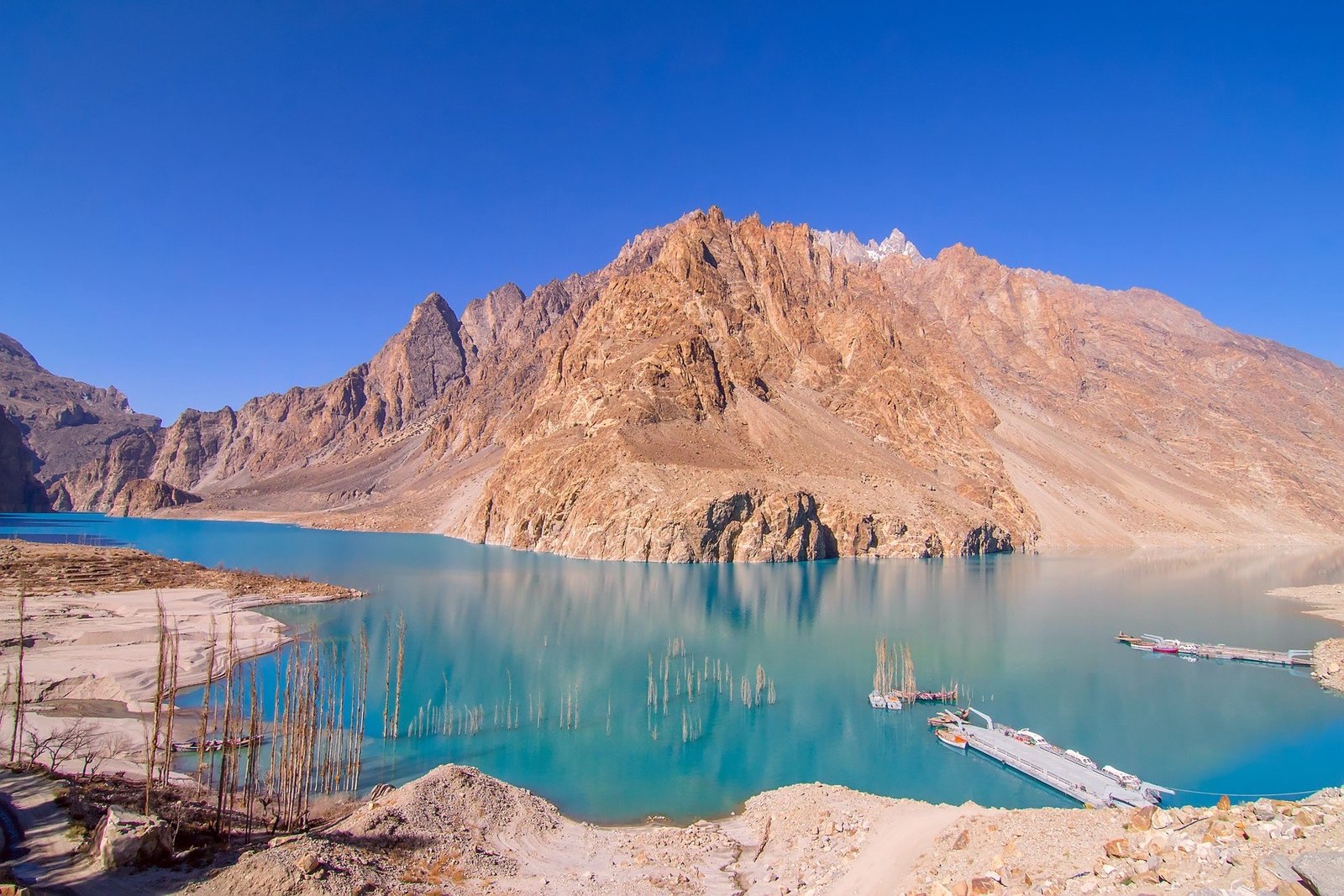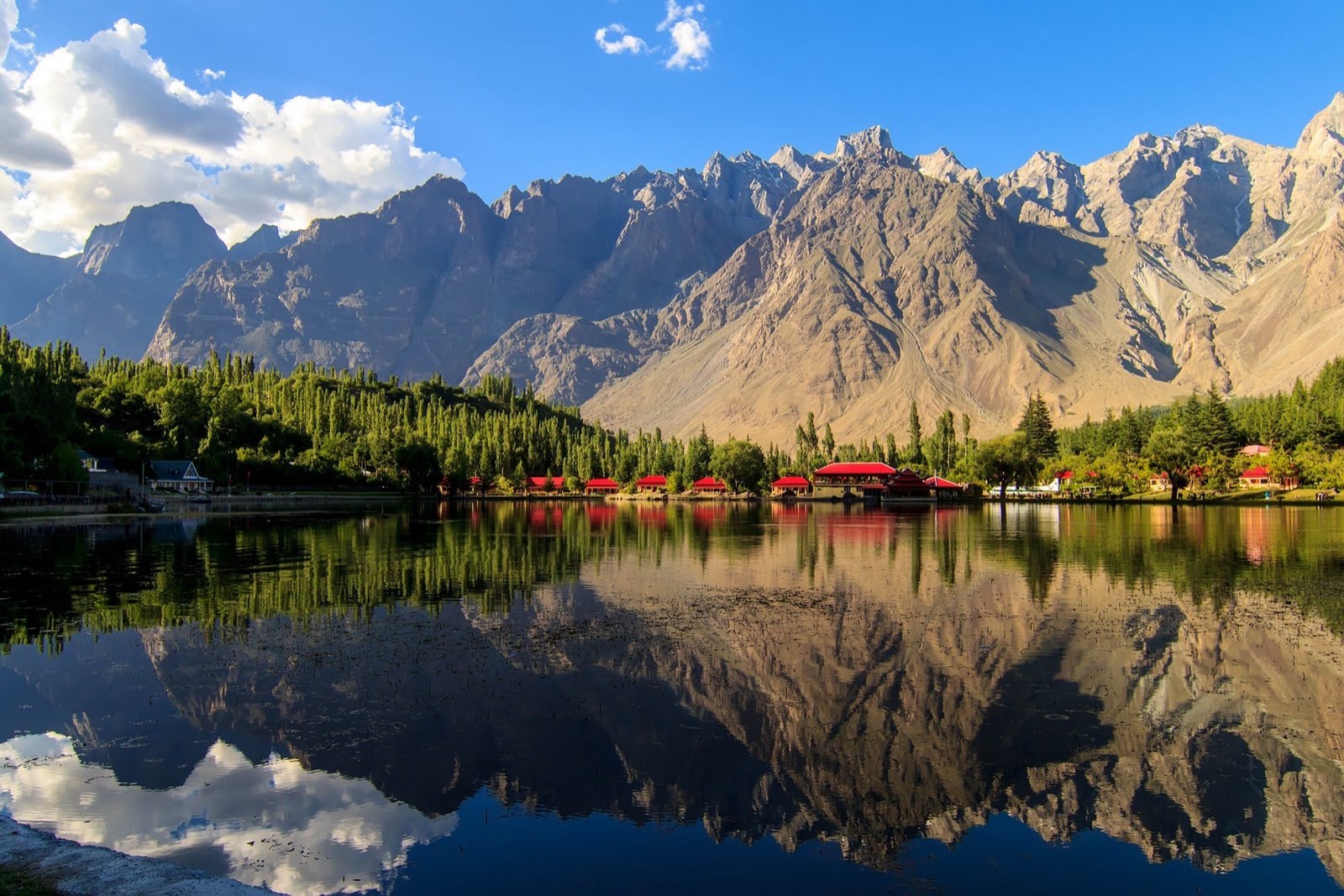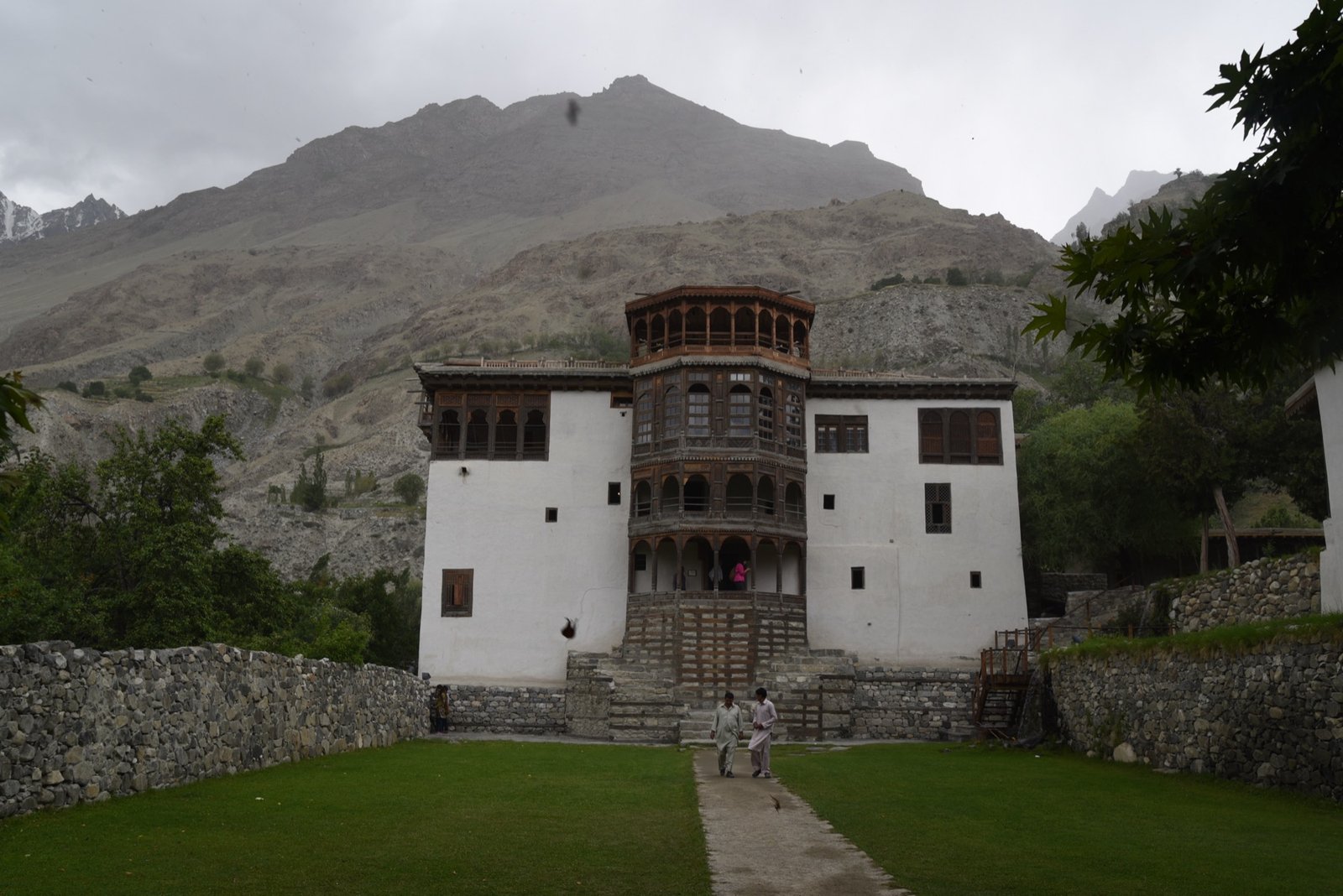
Baltit and Altit introduce Hunza’s royal heritage; Kharpocho gives Skardu a defensive hilltop view; Shigar Fort and Khaplu Palace combine restored Balti architecture with heritage accommodation. Visit them for their different buildings and settings, rather than treating every fort as the same photo stop.
What a heritage visit adds to a mountain holiday
Forts and palaces connect scenery with the people who lived, traded and governed in the valleys. Their position, materials and relationship with nearby settlements help explain the regional landscape. A guided interior visit can give details that a distant photograph misses.
The buildings differ in preservation and use. Kharpocho has a rougher hilltop setting, while Shigar and Khaplu include operating heritage hotels. Hunza’s fort approaches connect with town and village streets. The access and interpretation should match the visitor’s interest and mobility.
Five heritage visits with distinct settings
Baltit Fort
Make Baltit the anchor of a Karimabad heritage morning. The climb through the town is part of the visit, so leave time for both the fort and the streets below. Its high position gives the architecture a clear defensive context. For travellers who enjoy historical interpretation, the interior visit is more useful than a quick photograph of the exterior. Combine it with bazaar time and a meal before continuing elsewhere. Visitors uncomfortable with uphill walking should discuss the approach in advance.
Good for: Heritage and architecture. Allow for: An uphill approach and steps.
Altit Fort and village
Altit works well as the second half of a central Hunza heritage day. The fort, village lanes and garden surroundings create a different setting from Baltit above Karimabad. Notice the timber and stone, then look at how the building sits over the river landscape. A local introduction helps connect the restored monument with the living village around it. This is a place for a slower visit, especially for travellers interested in settlement architecture as well as mountain scenery.
Good for: History and village streets. Allow for: Uneven surfaces and steps.
Kharpocho Fort
Kharpocho is the Skardu attraction for travellers who want an uphill walk and a town panorama. The fort’s position explains the relationship between the settlement, river and surrounding mountains. Its rougher heritage setting differs from the restored palace hotels at Shigar and Khaplu. Choose footwear and timing for the approach, and assess suitability individually. A lower town or lake visit offers another option when the climb does not suit the party.
Good for: Town views and fort history. Allow for: An uphill walk on uneven ground.
Shigar Fort
Shigar Fort is a strong choice for a visitor interested in Balti architecture and restoration. The seventeenth-century building gives a valley visit a historical centre. Combine the heritage tour with the settlement and a selected landscape stop. Staying in the Serena-operated complex creates more time in the setting, but a hotel booking and day visitor access are different arrangements. The fort rewards interpretation rather than only an exterior photograph.
Good for: Restored Balti architecture. Allow for: Heritage-site walking and steps.
Khaplu Palace
Khaplu Palace gives an eastern Baltistan stay its architectural focus. The restored nineteenth-century residence combines timber, courtyards and garden space. A guided visit explains more than a view of the façade. An overnight in Khaplu allows the town and palace to be enjoyed without a same-day return to Skardu. Historic rooms and Garden House accommodation differ, so the particular reservation matters when the palace stay is part of the experience.
Good for: Palace heritage and gardens. Allow for: Steps and changes of level.
Hunza: pair the forts with their settlements
Baltit belongs with Karimabad’s streets and bazaar. The uphill approach and the building’s high position make the connection between town and fort visible. Altit introduces a different village and cliff-edge setting. Seeing both is worthwhile when there is time to appreciate those differences.
Ganish can add settlement heritage to a longer central Hunza day. It broadens the visit beyond royal residences and introduces communal spaces and surviving traditional buildings. Choose the additional stop for that interest, not to complete a list.
A local guide can explain historical details and current visitor boundaries. Religious spaces, houses and hotel areas around a heritage attraction remain distinct from the ticketed or guided visit.
Baltistan: restored palace stays and a hilltop fort
Kharpocho gives a Skardu town visit a panorama and defensive context. Its uphill walk differs from a garden-centred palace stay. It should be chosen for the party’s comfort with the approach.
Shigar Fort and Khaplu Palace can be visited as heritage attractions or included as accommodation where a room is available. Their official hotel information distinguishes different room settings, including historic and garden accommodation. A heritage stay provides time in the building’s environment, but does not make every room identical.
On a longer Baltistan circuit, staying in a valley can reduce same-day backtracking to Skardu. Compare the location and room requirements before treating the hotel name as a guarantee of the desired experience.
How to visit respectfully and comfortably
Wear practical footwear for steps and uneven surfaces. Anyone with limited mobility should receive a description of the specific approach and interior route. General labels such as luxury or restored do not establish step-free access.
Follow photography rules inside the building and ask before photographing people. A religious site near a fort follows its own guidance. Avoid touching fragile features or entering private areas to create an image. Interpretation is part of the value, so leave time to listen and look.
Opening arrangements, guiding and site entry can change. The confirmed programme should name which heritage visits are included. A palace photograph on a tour page is not evidence of a room reservation or unrestricted access to guest areas.
Choose a regional heritage route
For a shorter Hunza visit, combine central forts with village time and a separate Upper Hunza landscape day. For Baltistan, choose Skardu, Shigar and Khaplu as distinct stages when the available days permit.
Combining both regions creates a longer journey with an interregional road section. It can be rewarding, but the added places should receive meaningful time rather than become quick stops on a driving circuit. The regional comparison helps choose a first trip, while the destination guides explain the local connections.
Architecture, conservation and the living settlement
A fort visit is more rewarding when the building is seen in relation to the settlement around it. Baltit’s elevated position above Karimabad gives the central valley a strong historical focus. Altit relates to its own village and garden setting. Shigar’s stone-and-timber complex sits within a cultivated valley, while Khaplu Palace gives eastern Baltistan another architectural centre.
Conservation has also changed how some buildings are used. Baltit’s restoration developed its museum role, and Shigar combines heritage interpretation with accommodation. These present-day uses are part of the visitor story. Look at construction, room organisation and the relationship with the surrounding streets rather than expect every building to provide the same interior experience.
Kharpocho differs from the restored palace settings. Its uphill approach and defensive position above Skardu make the town-and-river panorama a major part of the visit. Surviving walls and the setting can be the interest even without a palace-hotel interior. The attraction should be judged on that basis.
How to build a heritage day with some variety
Choose a substantial building visit and allow time for its interpretation. Then connect it with a suitable public street or village walk and a meal. A selected viewpoint can add the wider landscape without turning the whole day into successive interior visits.
A longer Baltistan trip can use a Shigar or Khaplu overnight to develop the heritage theme. A Hunza programme can distinguish central forts from the Upper Hunza lake-and-village day. Read the hotel guide when accommodation character is central to the interest. The building, room reservation and surrounding sightseeing arrangements should each have a clear role in the itinerary.
Read conservation awards accurately
A conservation award recognises a particular restoration project. It does not automatically make every fort a UNESCO World Heritage Site. Follow the linked heritage sources for the building’s own history and status. The details of timberwork, stone construction and the settlement setting remain the main reasons to give the visit time.
Useful questions, answered
Can I stay in every fort?
No. Shigar and Khaplu include heritage accommodation, but a visitor attraction is not automatically a hotel.
Are historic rooms all the same?
No. Buildings and room categories differ. Compare the particular reservation and access requirements.
Which fort has an uphill Skardu approach?
Kharpocho. The walk should be assessed for the traveller and current conditions.
Turn the places you like into your own route
Send us your travel month, days in Pakistan and the places that caught your interest. Our local team can discuss the guides, transport, stays and activities for your party.
Sources and latest checks
Destination facts were checked against the sources below on 13 October 2026. Suggested routes are editorial examples. Opening arrangements, seasonal access, travel advice and hotel services can change.
FROM READING TO THE ROAD
Make it your journey.
Share your dates, the places you like and how you want to travel. Our local team will help shape the route.
Plan a private journey