Gilgit is a regional centre in Gilgit-Baltistan and a useful base between northern valleys. Kargah Buddha gives the town visit a historical focus; Naltar is a separate mountain excursion. Spend a little time in the town and the stop becomes more than a place to change vehicles before Hunza.
Gilgit → Kargah → Naltar option → Nagar → Hunza
A route framework; the programme is agreed for your dates.
The role of Gilgit in a northern holiday
Gilgit helps connect a journey towards Hunza with other northern routes. The town and airport are practical gateways, while shops and accommodation provide a useful base after a long approach. A transit night and a full sightseeing stay offer different amounts of time. Decide whether the town is a destination in its own right or a pause between valleys.
The geography matters when combining regions. A route through Gilgit towards Hunza follows a different direction from the road towards Baltistan. Repeating the same junction several times can consume days. A clear overnight sequence is more useful than a long list of nearby valleys without a practical order.
Main attractions and what to see
Archaeology and regional history
Kargah Buddha
Kargah Buddha is a large standing figure carved into a cliff outside Gilgit. The site offers a tangible connection with the region’s Buddhist past and the older routes through these valleys. Viewing the carving is a focused outing rather than a full-day mountain excursion. The surrounding rocky gorge helps explain the scale of the figure. Treat the archaeological setting with care and avoid climbing onto fragile features for a photograph. It works especially well alongside time in Gilgit town.
Visit style: A short outing with local walking.
Forest and mountain excursions
Naltar Valley
Naltar is a forested mountain valley associated with lakes and winter skiing. Its trees and greener upper landscape make a visual contrast with the drier main valleys around Gilgit. The excursion involves a separate approach and conditions can change with snow, weather and road maintenance. A lake visit in the warmer months and a winter sports trip are different programmes. Give Naltar a dedicated day when it is suitable, and use a locally appropriate vehicle rather than assuming a regular town transfer can complete the whole route.
Visit style: A separate mountain-road approach.
Regional geography
Junction of three mountain ranges
The signed viewpoint near Jaglot is associated with the meeting of the Himalaya, Karakoram and Hindu Kush regions. Nearby river confluence scenery makes it a useful geography stop on a longer northern drive. The experience is brief but adds context to the different landscapes seen later in Hunza, Baltistan and the Nanga Parbat area. It is best included when the road sequence already passes this way. Avoid standing on the carriageway or creating a new detour solely to collect another map label.
Visit style: A roadside viewpoint.
A mountain view on the route
Rakaposhi viewpoint
Rakaposhi rises above Nagar, and the roadside viewpoint at Ghulmet is a natural stop on the Gilgit–Hunza approach. When the summit is clear, the contrast between the road-level river valley and the mountain is the main experience. The viewpoint and Rakaposhi Base Camp are separate objectives. The former can be part of a driving itinerary; the latter requires a walking programme with appropriate time and support. A clouded summit does not make Nagar uninteresting: villages, terraces and the valley itself still provide a rewarding stop.
Visit style: Roadside stop; base-camp trekking is separate.
Town walking and an outing to Kargah
A town visit can include public bazaar streets, the river setting and time for a meal. The experience offers context for the region’s role as a place of trade and movement. Shina is an important local language, while language use varies between residents and providers. Local interpretation makes historical and everyday details easier to understand.
Kargah Buddha adds an archaeological outing outside the town. The cliff carving connects the visit with the Buddhist history of the wider region. Give it its own short visit rather than promising a full mountain day. A guide can distinguish historical evidence from the local stories associated with the figure.
Naltar is a separate excursion
Naltar’s forest and mountain landscape need a dedicated approach from the Gilgit area. The vehicle required for the upper route can differ from the one used between towns. Travel conditions determine how far the excursion can proceed and which lake or landscape stops are suitable.
A warmer-season lake excursion differs from a winter visit associated with skiing. The available services and equipment need to match the activity. Do not assume a summer sightseeing outline confirms winter sports arrangements, or that every Naltar lake can be visited during a short afternoon.
If the approach is unsuitable, a town-and-Kargah day still gives the stay a clear purpose. Plan the mountain excursion as an optional objective rather than the only reason the overnight is worthwhile.
Where to stay and how long to allow
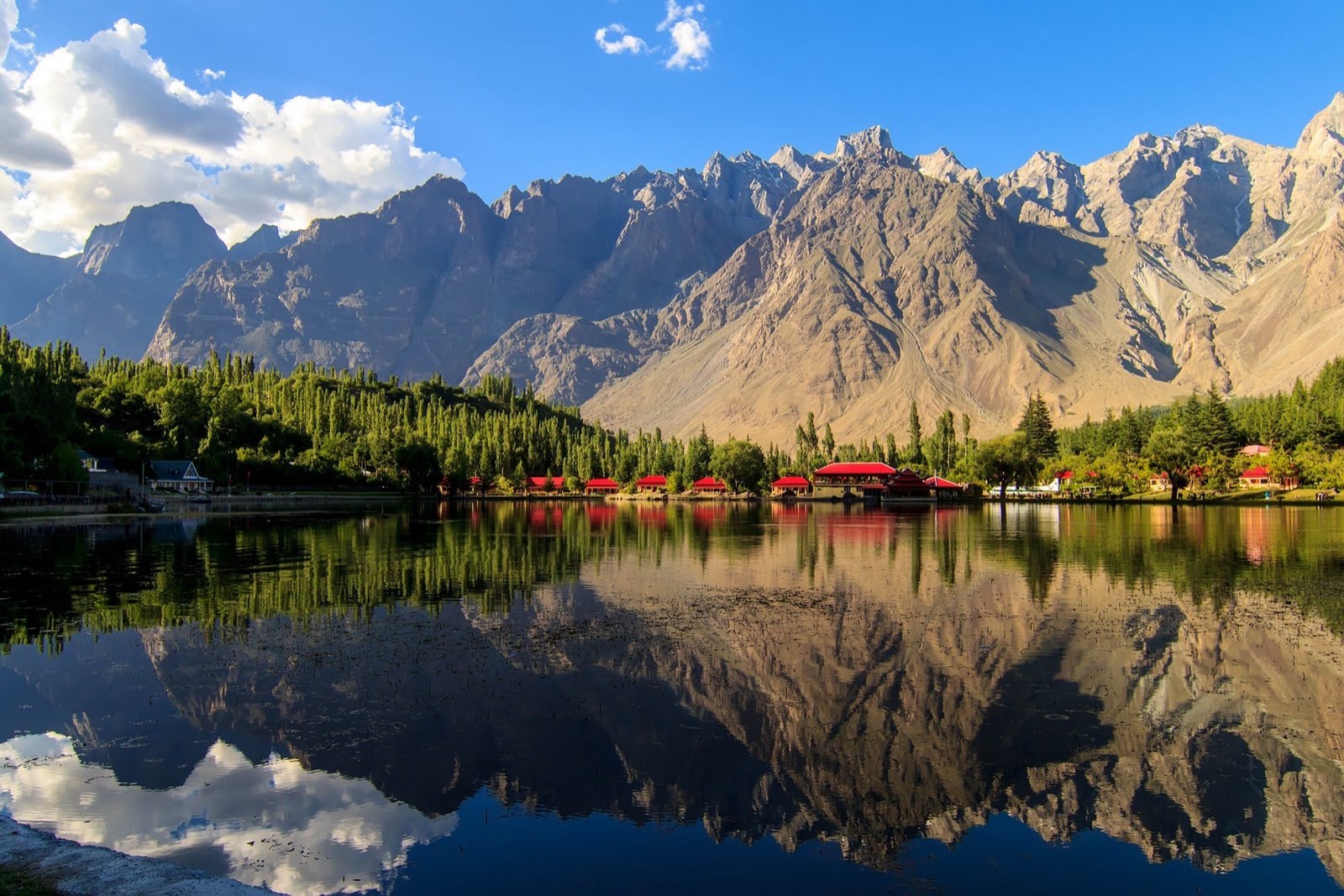
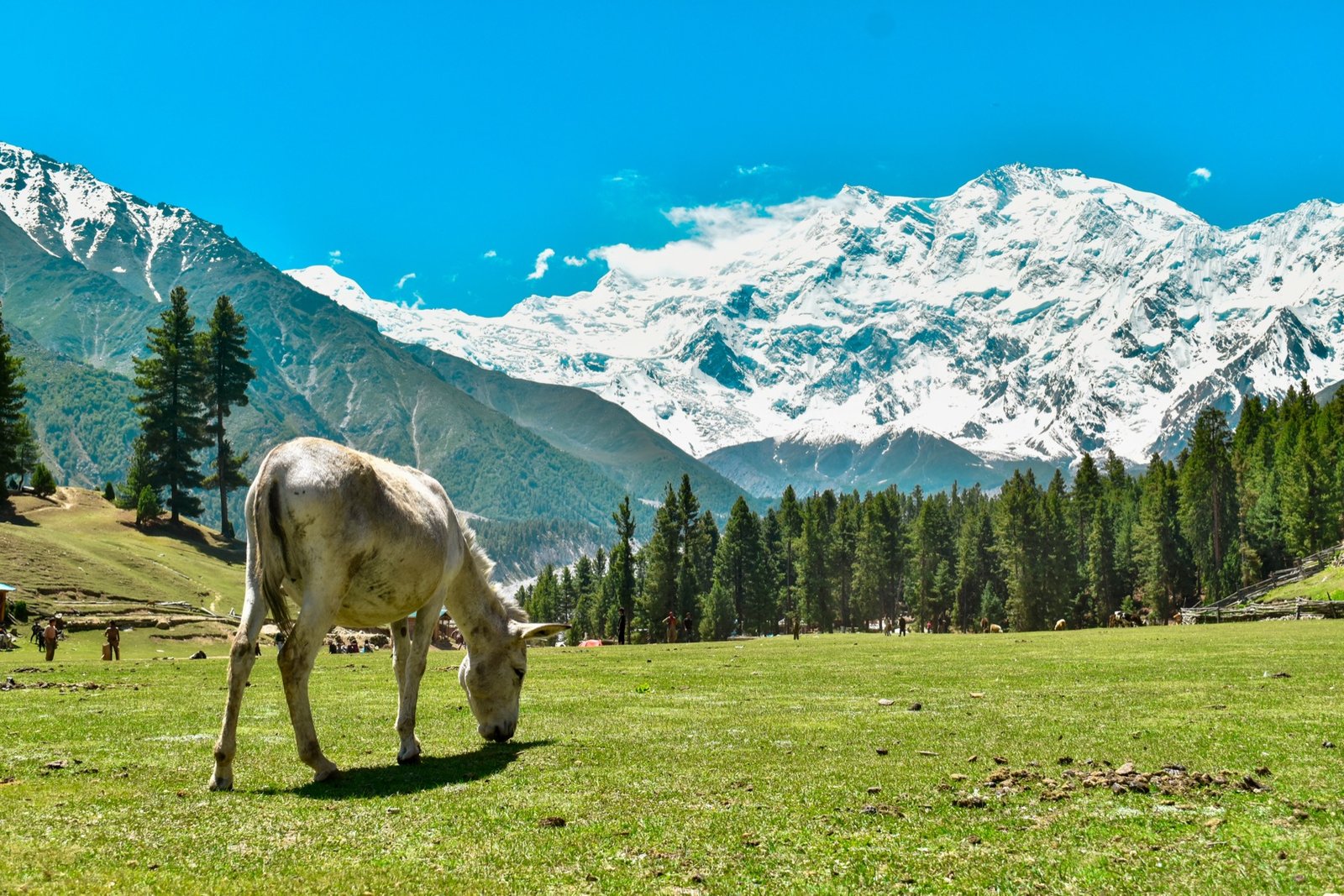
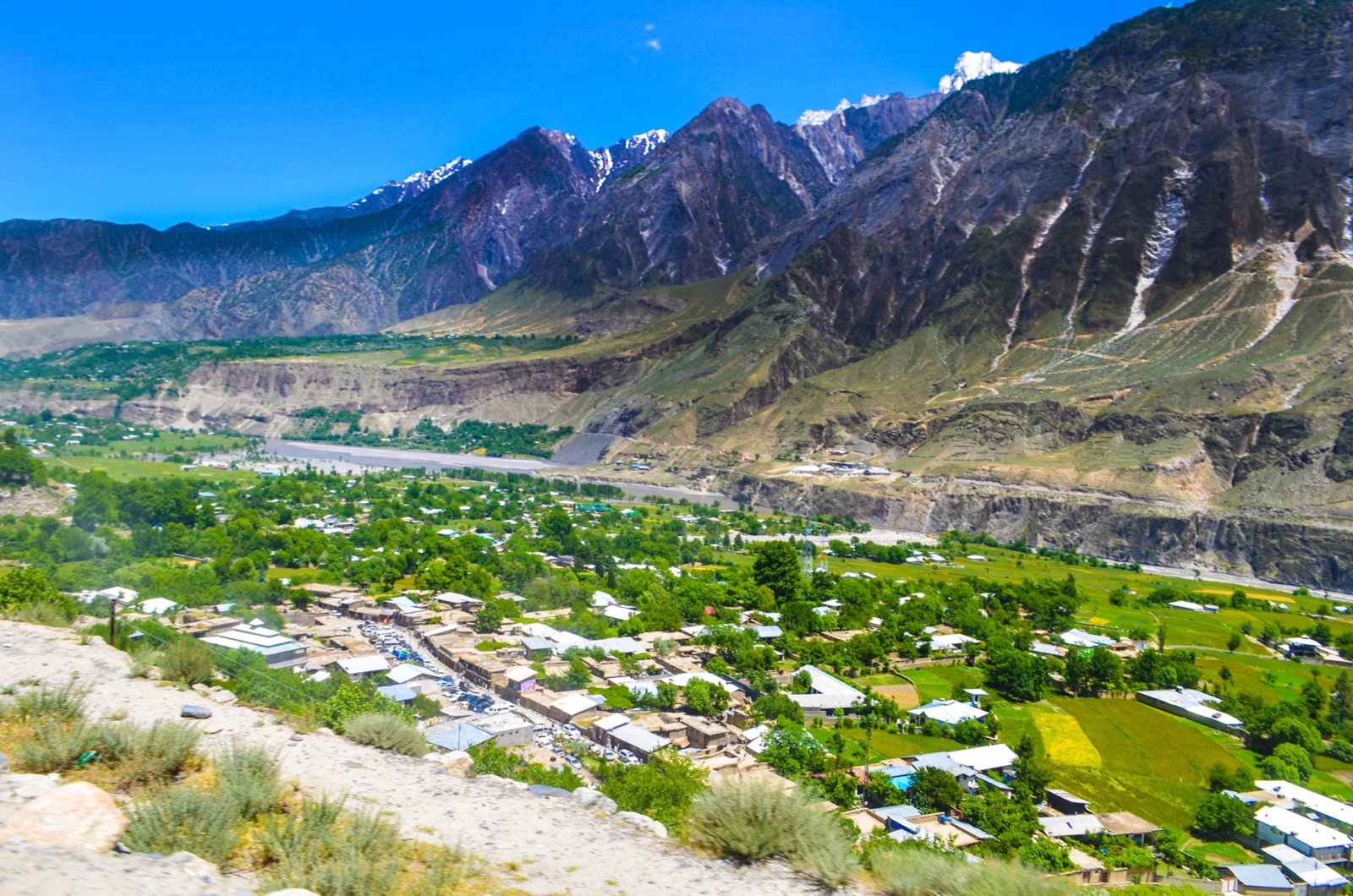
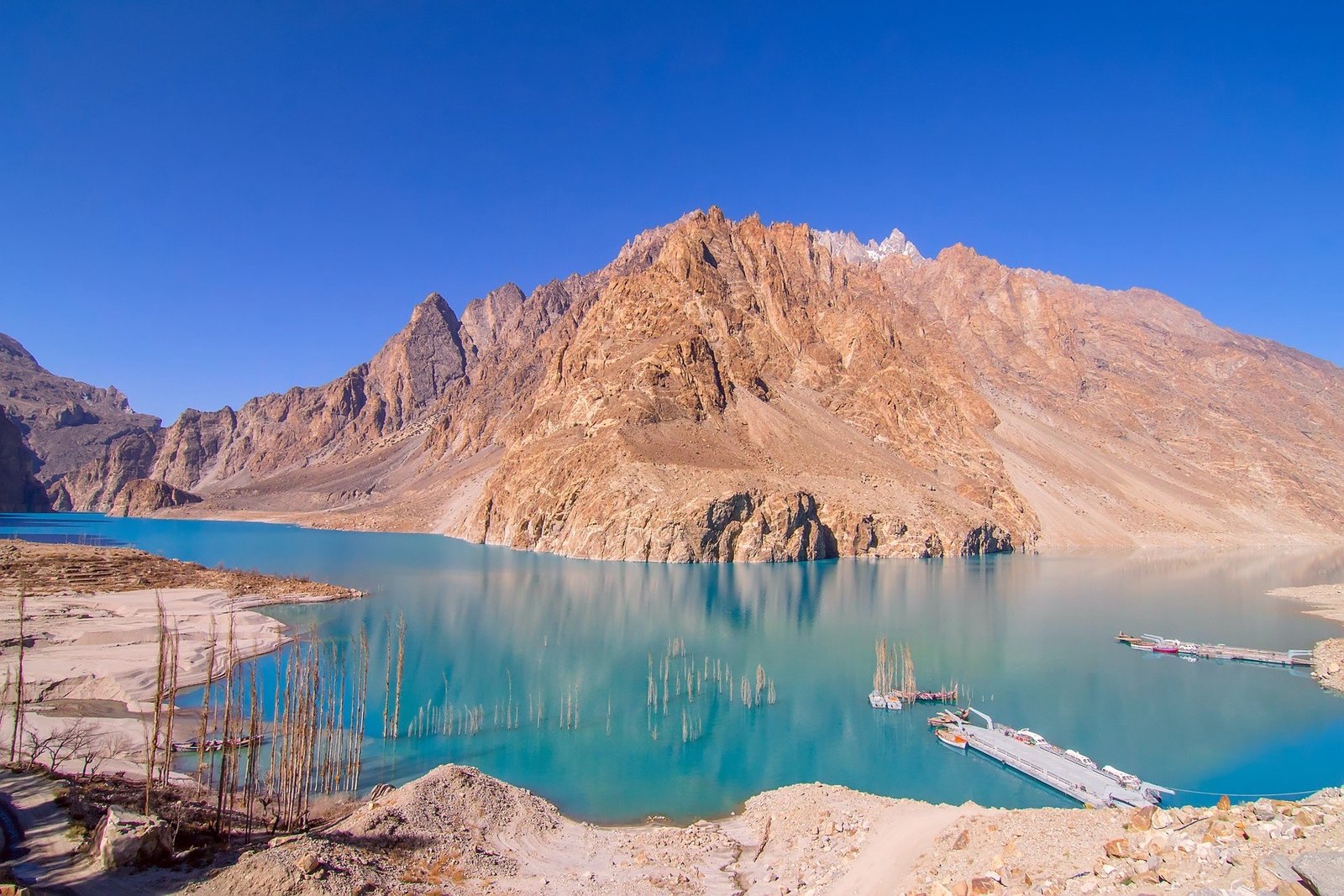
A town hotel is practical for airport transfers, public streets and onward journeys. A quieter property outside the centre may offer a different outlook but adds local transfers. Select the location for the programme rather than using Hunza or Attabad photographs to represent a Gilgit room. The image on this page shows nearby Hunza scenery in the wider region.
One night can break a longer transfer; two nights create one full local day. Add more time only for an excursion or a slower pace. For most first visits, Gilgit works best as one part of a wider route rather than a base from which every northern attraction is visited on a daily return journey.
Season, arrivals and onward routes
Current flights and mountain weather govern an air arrival. A staged road arrival takes a different amount of holiday time. Give the first day an achievable programme and allow the final return a margin before an international ticket.
Lower town visits and higher mountain excursions have different seasonal requirements. Weather that permits time in Gilgit may still prevent a Naltar outing. Spring, summer and autumn also change the appearance of onward valleys. Choose the seasonal activity first, then fit the town stay around it.
For a wider road holiday, the junction near Jaglot adds geographic context where it fits the route. Continuing towards Nagar and Hunza brings a natural opportunity for a Rakaposhi viewpoint stop. A road itinerary should use those connections intelligently rather than adding them as separate detours.
A city with a mountain-route history
Gilgit is more than an airport name on the way to Hunza. It is a regional town where roads, trade and everyday services meet within the mountain landscape. Spending time in its public streets gives a northern journey a town perspective between quieter valley stays. A meal, bazaar visit and selected historical outing can make an arrival overnight feel like part of the trip.
Kargah Buddha is a particularly clear historical interest. The standing figure carved into the cliff introduces the Buddhist past of the wider region. Its position in the gorge makes the carving’s scale apparent. A guide can place the monument within the older connections through these valleys while keeping the outing focused. It is a different experience from a restored royal residence or a distant summit view.
The signed mountain-range junction near Jaglot adds a geographical perspective when the road sequence passes that way. The mountain and river landscape helps explain why routes later branch towards Baltistan, Hunza and the Nanga Parbat area. Both outings work best in a coherent driving sequence, with town time left around them.
Choose a valley extension for the landscape you want
Naltar adds forest and mountain-lake scenery to a Gilgit-based programme. Its greener upper landscape contrasts with the drier main valleys. The approach is a separate local excursion, with vehicle and access requirements that differ from a simple city transfer. A warmer-season lake outing and winter sports programme are also different trips.
Hunza continues the main valley journey north, bringing forts, Attabad and Passu into the route. Nagar introduces its own villages and Rakaposhi interests. Rather than put every direction into one Gilgit day, choose the extension that develops the holiday’s main theme. A city overnight can then support the next stage without concealing a long excursion in the word transfer.
Read the Karakoram Highway article for the connecting landscape, or begin with the Hunza guide if the valley is your principal destination. Gilgit’s practical role and its historical outing can both be included in the route discussion.
Useful questions, answered
Is Gilgit in Hunza?
No. Gilgit is a regional town; Hunza lies farther north along the Karakoram Highway.
What is a worthwhile short visit in Gilgit?
Kargah Buddha gives a focused archaeological outing, alongside town and bazaar time. Naltar needs a separate mountain excursion.
Can one vehicle visit every place around Gilgit?
Not necessarily. Upper-valley routes can require a different local vehicle and current condition checks.
Explore Gilgit with a local plan
Send your dates, party and main interests. We can discuss a complete route or the transport, guide and stays needed for this part of the north.
Sources and latest checks
Destination facts were checked against the sources below on 13 October 2026. Suggested routes are editorial examples. Opening arrangements, seasonal access, travel advice and hotel services can change.
FROM READING TO THE ROAD
Make it your journey.
Share your dates, the places you like and how you want to travel. Our local team will help shape the route.
Plan a private journey